


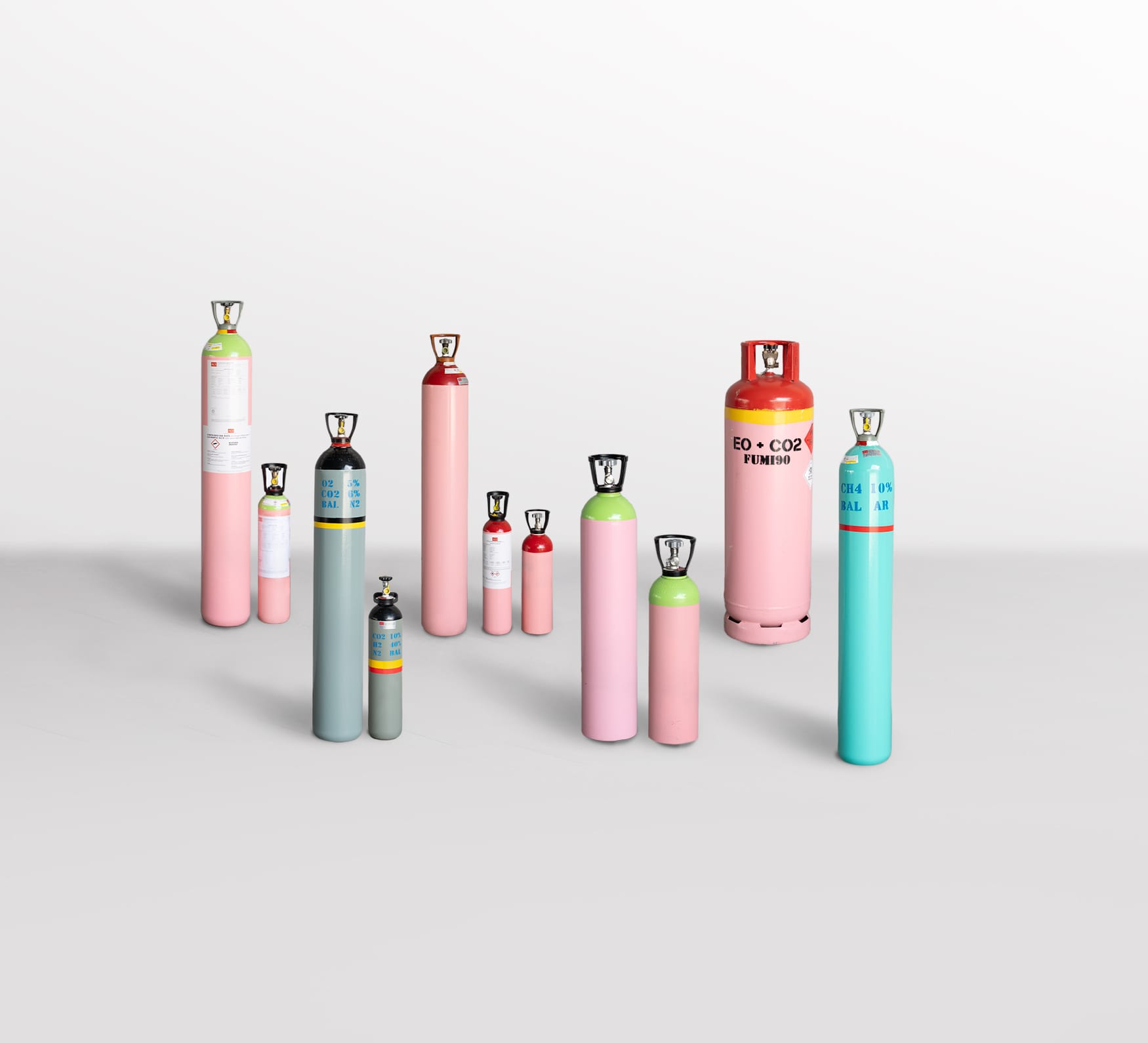
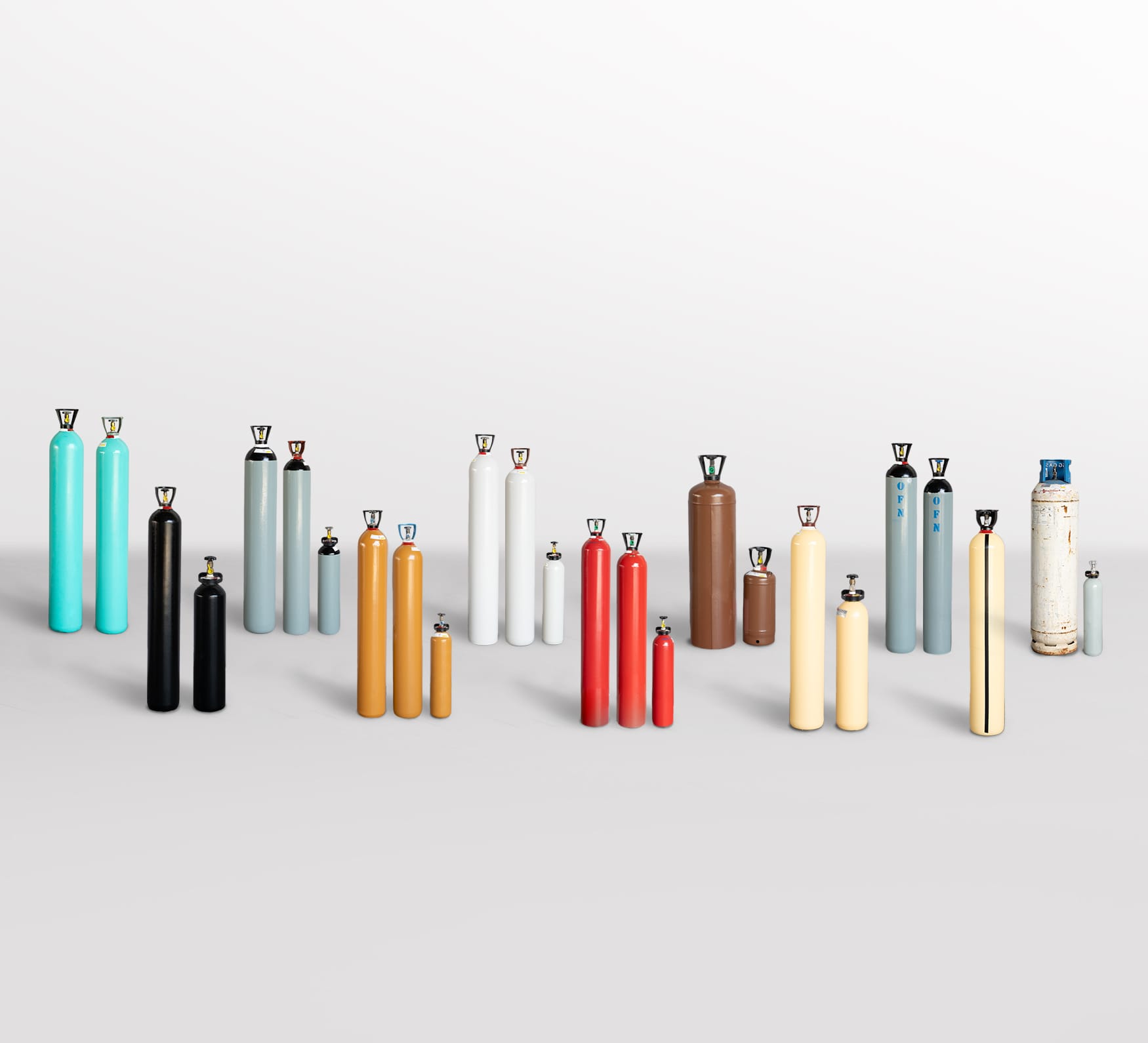
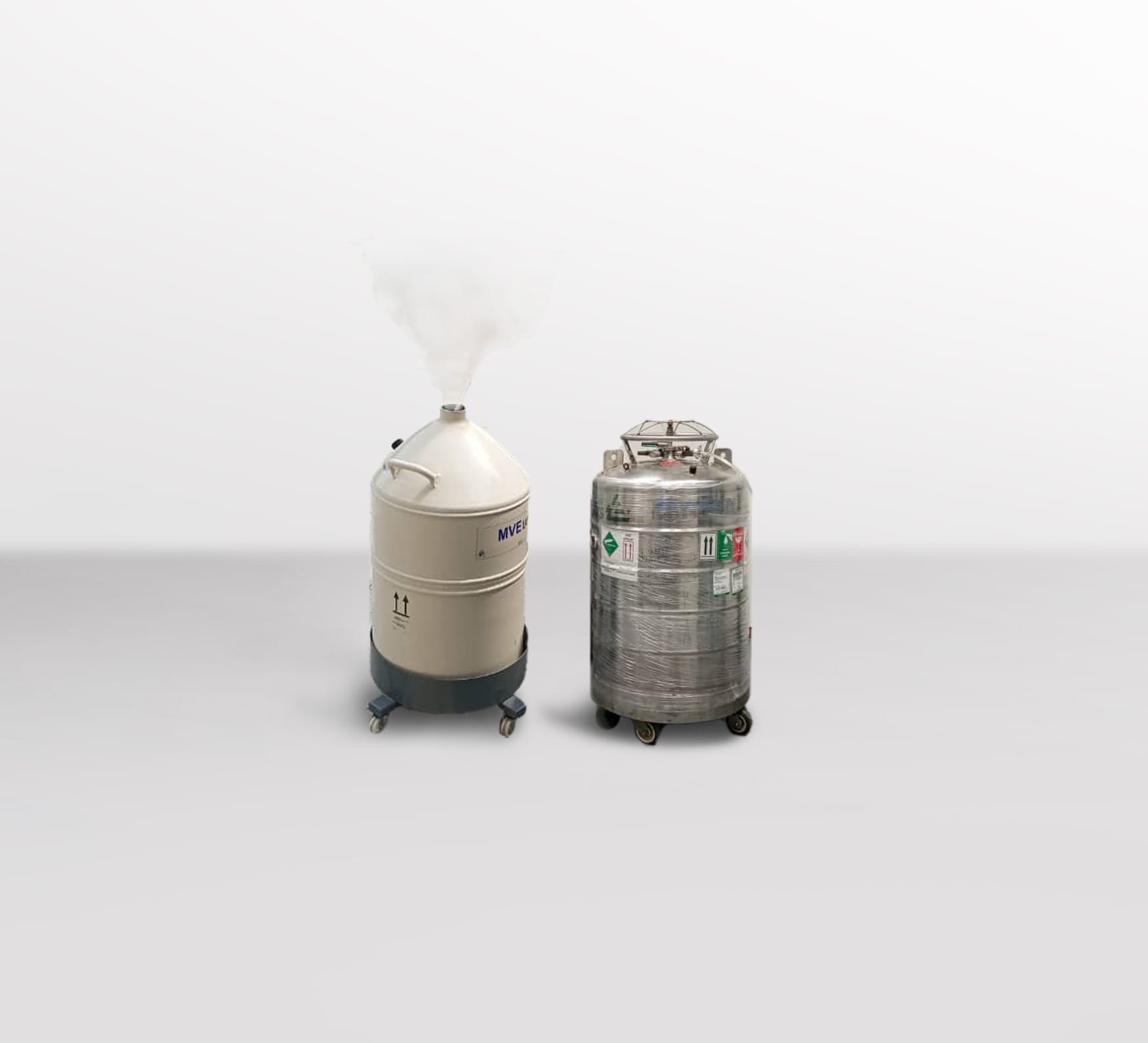
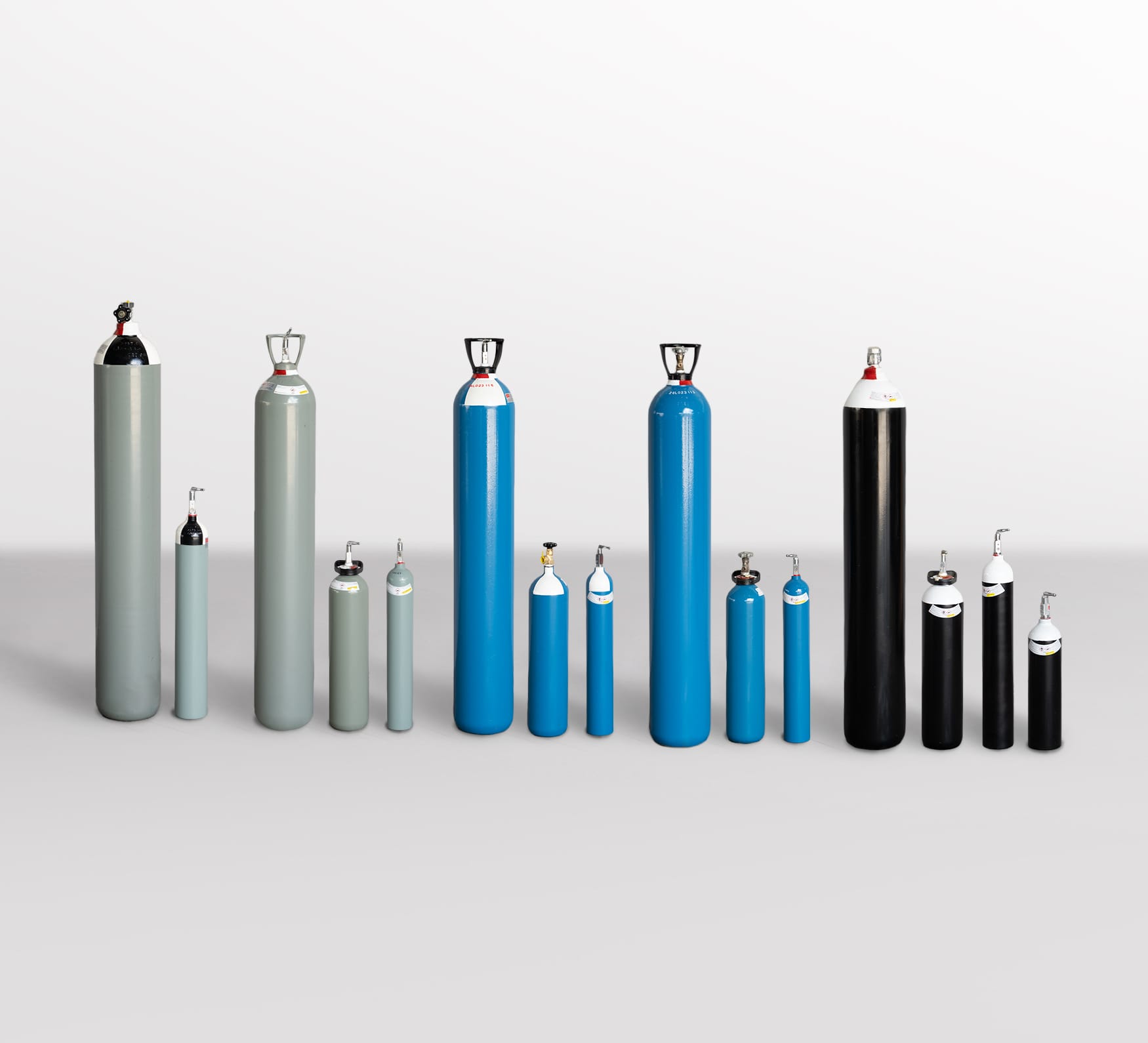
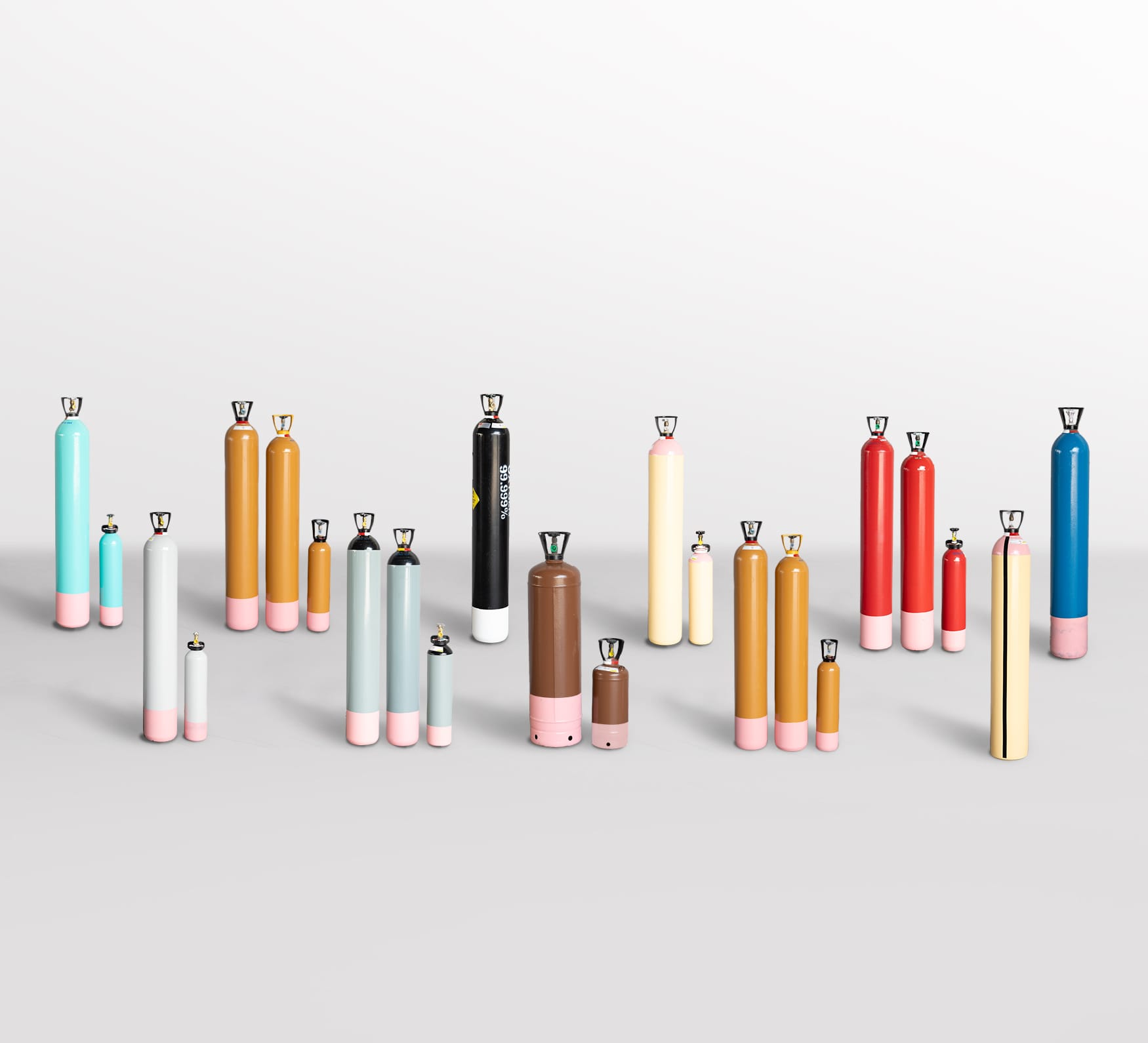
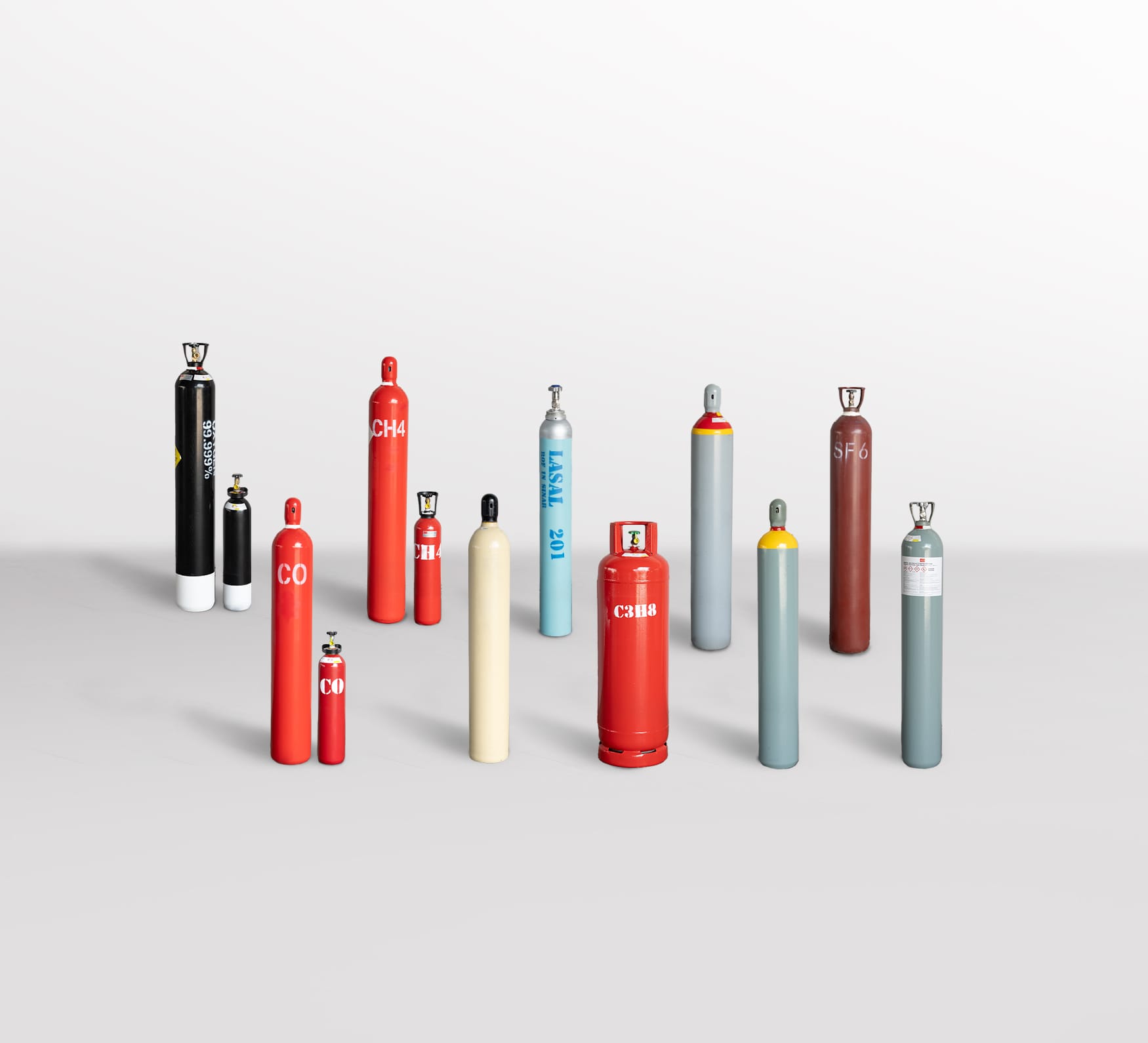

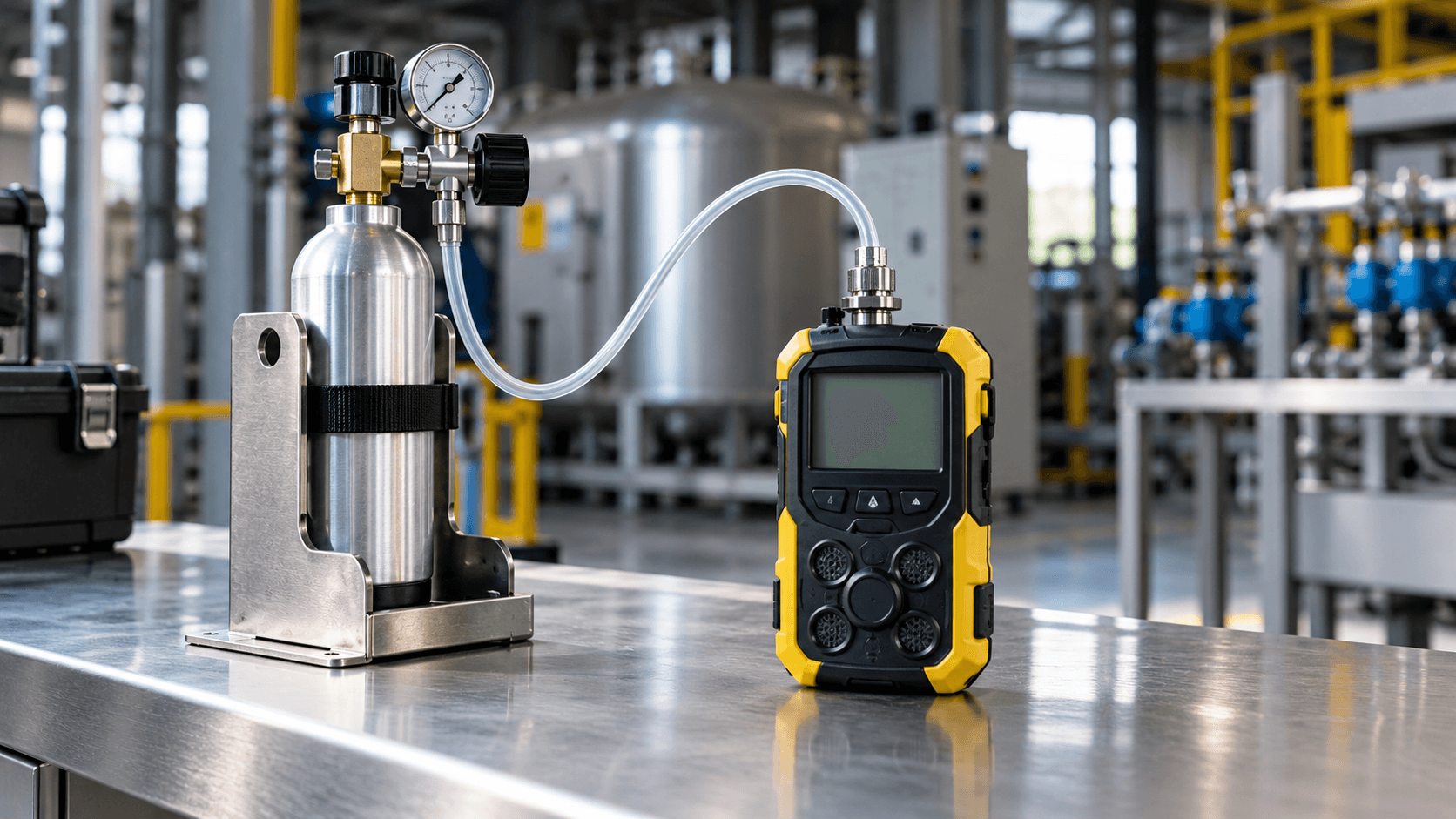
Calibration Gas Malaysia buyers need a known gas mixture that matches their detector, test procedure and documentation requirements. The right reference gas supports dependable instrument checks; the wrong concentration, expired cylinder or incompatible regulator can undermine the result.
This guide helps Malaysian safety, maintenance and procurement teams choose gas for detector checks and prepare a useful supplier enquiry.
Table of Contents
- What Is Calibration Gas Malaysia Used For?
- Is a Bump Test the Same as Calibration?
- How Do You Choose the Right Gas Mixture?
- What Documentation and Shelf Life Should Buyers Check?
- Why Do Regulators and Tubing Affect the Result?
- Where Does This Matter in Malaysian Industry?
- How Should Businesses Plan Storage and Supply?
- What Should You Include in a Supplier Enquiry?
- Frequently Asked Questions
What is Calibration Gas Malaysia Used For?
Calibration gas is a reference gas with a stated composition used to check or adjust a gas detector. It gives the instrument a known challenge, allowing trained users to compare its response with the expected result. It is different from the process gas supplied for welding, packaging or purging.
For Malaysian procurement teams, the practical question is not simply which gas to buy. The mixture must match the detector model, installed sensors and approved test procedure. Start with the equipment manual and the specification agreed by your safety or instrumentation team.
AGS lists calibration gas and mixture gas among its products. Ask AGS to confirm availability, composition and documentation for your particular instrument; a general product listing does not establish compatibility with every detector.
Is a Bump Test the Same as Calibration?
No. A bump test checks response and alarms; calibration checks measurement against a known reference and may involve adjustment. Treating these tasks as interchangeable can leave a detector with an unrecognised accuracy problem.
- Bump test: exposes the sensors to a suitable challenge gas to check their response and alarm operation.
- Calibration check: compares the displayed measurement with the reference concentration and the manufacturer’s acceptance criteria.
- Full calibration: adjusts the instrument according to its approved procedure.
The distinction is explained in OSHA’s guidance on testing portable gas monitors. This is international technical guidance, not Malaysian legislation. Follow the detector manufacturer for the test sequence, frequency and acceptance criteria.
For bump test gas Malaysia enquiries, specify whether the purchase supports a daily function check, a calibration programme or both. If a detector fails its check, follow the manufacturer’s corrective procedure and do not return it to use until its required checks pass.
How Do You Choose the Right Gas Mixture?
Choose the components, concentrations and balance gas specified for the detector. A multi gas calibration mixture can test several compatible sensors, but it is not a universal replacement for individual reference gases.
Match the Sensor and Reference Concentration
Check whether the instrument measures oxygen, carbon monoxide, hydrogen sulphide, combustible gases or another target. Confirm the required units, such as parts per million, percentage by volume or percentage of the lower explosive limit. A concentration expressed in one unit cannot be assumed equivalent to another.
Confirm the Balance Gas
The remaining gas in a mixture also matters. Air and nitrogen balance mixtures serve different requirements, and some sensor technologies need oxygen to operate correctly. Do not substitute a nitrogen-balanced mixture for an air-balanced one without written equipment guidance.
General industrial nitrogen gas supports many factory applications, but it should not be treated as a certified detector reference merely because it contains nitrogen. Give the supplier the full specification rather than only the detector’s brand name.
What Documentation and Shelf Life Should Buyers Check?
Request a calibration gas certificate of analysis that identifies the cylinder or batch, composition, stated concentrations and relevant uncertainty or tolerance. Where your procedure requires traceability, ask how that traceability is documented. Certified calibration gas should be assessed against your instrument and quality requirements, rather than accepted on wording alone.
Check the calibration gas expiry date before purchase and before each use. Shelf life depends on the actual mixture and packaging. Avoid assuming all gases remain stable for the same period, and consider whether the cylinder will be consumed before its stated expiry.
Keep the certificate, safety data sheet and purchase records accessible to users. Match records to the physical cylinder, and record the gas used during instrument checks. This gives supervisors useful evidence when investigating inconsistent readings or planning replacement stock.
Why Do Regulators and Tubing Affect the Result?
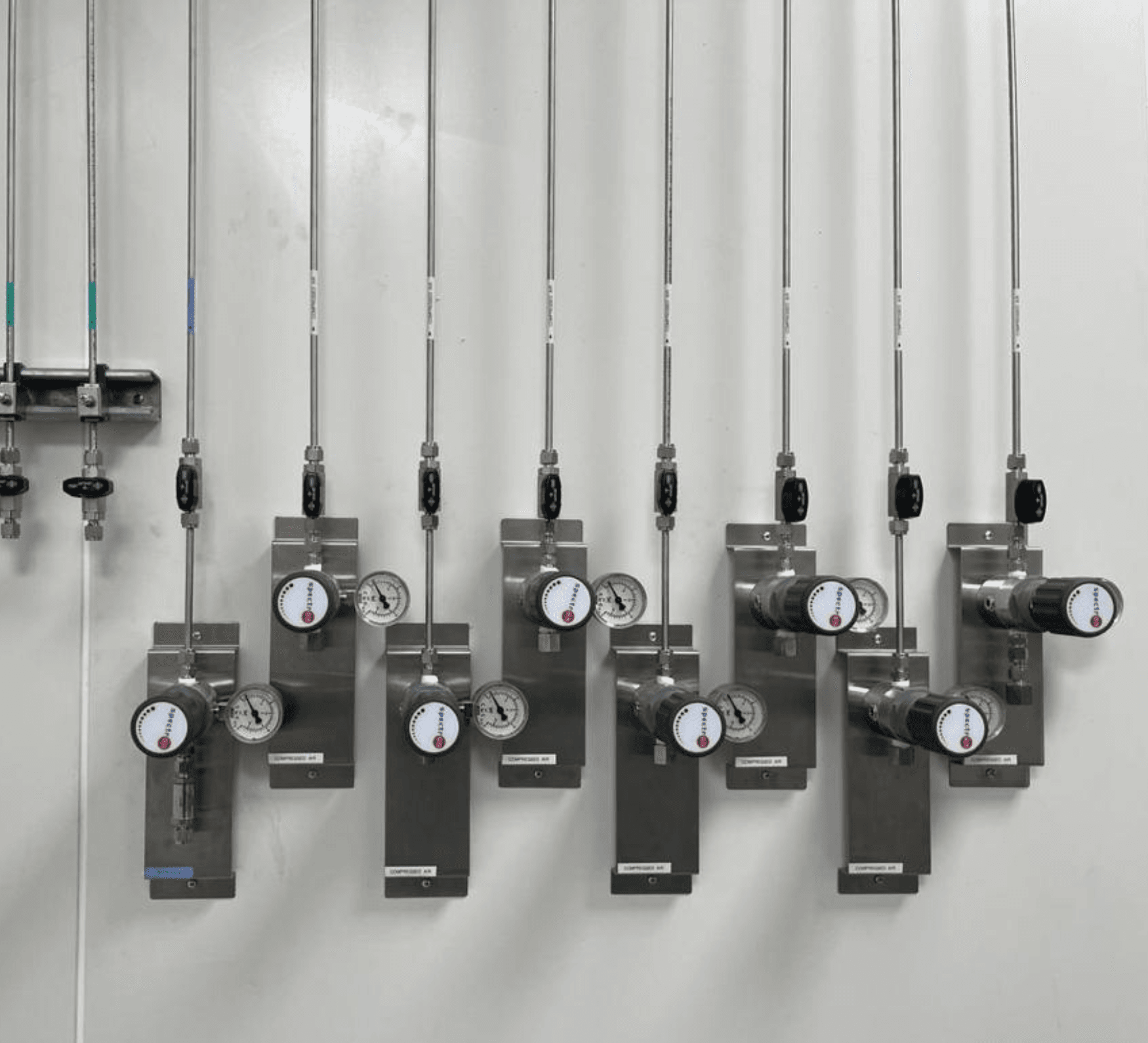
A compatible calibration gas regulator delivers the gas in the manner required by the instrument. The cylinder connection, pressure rating, flow setting and detector sampling method must work together; buying the correct mixture alone does not complete the setup.
Confirm whether the detector uses diffusion sampling, an internal pump or a docking station. Ask the equipment manufacturer about suitable tubing, adapters and regulator type. Do not apply an arbitrary flow rate or force a connector that does not fit.
Include these accessories in the quotation request. A cylinder delivered without the approved sampling arrangement can delay testing even when the gas specification is correct. Keep replacement tubing and adapters identifiable so staff do not improvise connections.
Where Does This Matter in Malaysian Industry?
Gas detector testing Malaysia requirements arise in maintenance workshops, manufacturing facilities, utilities, laboratories and sites with hazardous atmospheres. The instruments and reference gases should reflect each workplace’s risk assessment, rather than a generic list of gases.
For confined-space work, DOSH explains the role of Authorised Gas Testers and Entry Supervisors. A tested detector supports that work but does not replace competent personnel, entry controls or the site’s approved procedures.
Facilities undertaking nitrogen purging should separately evaluate oxygen-displacement hazards and monitoring needs. Laboratory teams can also review AGS’s laboratory gas safety practices when organising storage and handling.
How Should Businesses Plan Storage and Supply?
Store cylinders according to their safety data sheets and supplier instructions, with appropriate restraint, ventilation and protection from damage or heat. Assess hazards from the actual mixture; a small calibration cylinder still contains pressurised gas and may contain hazardous components.
Read AGS’s compressed gas cylinder safety guide alongside your site procedures. Use a designated testing area and manage discharged gas appropriately. Never release a test mixture into a poorly ventilated area without assessing the exposure risk.
Plan purchasing around the number of detectors, test frequency, cylinder capacity, expiry and delivery lead time. For teams across Selangor, Penang or other Malaysian locations, include delivery address and required date in the enquiry, and ask the supplier to confirm coverage. Avoid assuming immediate stock or nationwide delivery.
What Should You Include in a Supplier Enquiry?
A detailed enquiry helps compare like-for-like quotations and reduces the risk of ordering unusable gas. Send the following information to a calibration gas Malaysia supplier:
- Detector make, model and installed sensor configuration.
- Required gas components, concentrations, units and balance gas.
- Certificate, traceability and remaining shelf-life requirements.
- Cylinder size, valve connection and compatible regulator details.
- Quantity, expected consumption, delivery address and required date.
Browse AGS’s Calibration Gases category and contact AGS with your detector specification to discuss the requested mixture and supporting equipment. Confirm technical suitability with your responsible instrumentation or safety team before accepting substitutes.
Frequently Asked Questions
Can I use any gas cylinder to calibrate a detector?
No. Use the mixture, concentration and supply arrangement specified for the instrument, with the documentation required by your testing procedure.
Can expired calibration gas still be used?
Do not use it after its stated expiry. Replace the cylinder and check the certificate and storage instructions for the new supply.
Does passing a bump test prove measurement accuracy?
No. A bump test checks response and alarms; a calibration check evaluates readings against a known reference.
Does AGS provide calibration services for every detector?
AGS lists calibration gas products. Confirm the required mixture, accessories and any service scope directly with AGS; do not assume detector servicing is included.
Conclusion
Calibration Gas Malaysia purchasing works best when gas specification, documentation, instrument compatibility and delivery planning are considered together. Prepare the detector details, confirm the approved mixture and allow enough time to replace stock before expiry.
Send your calibration gas requirements to AGS for an enquiry based on your site’s actual equipment and testing needs.
