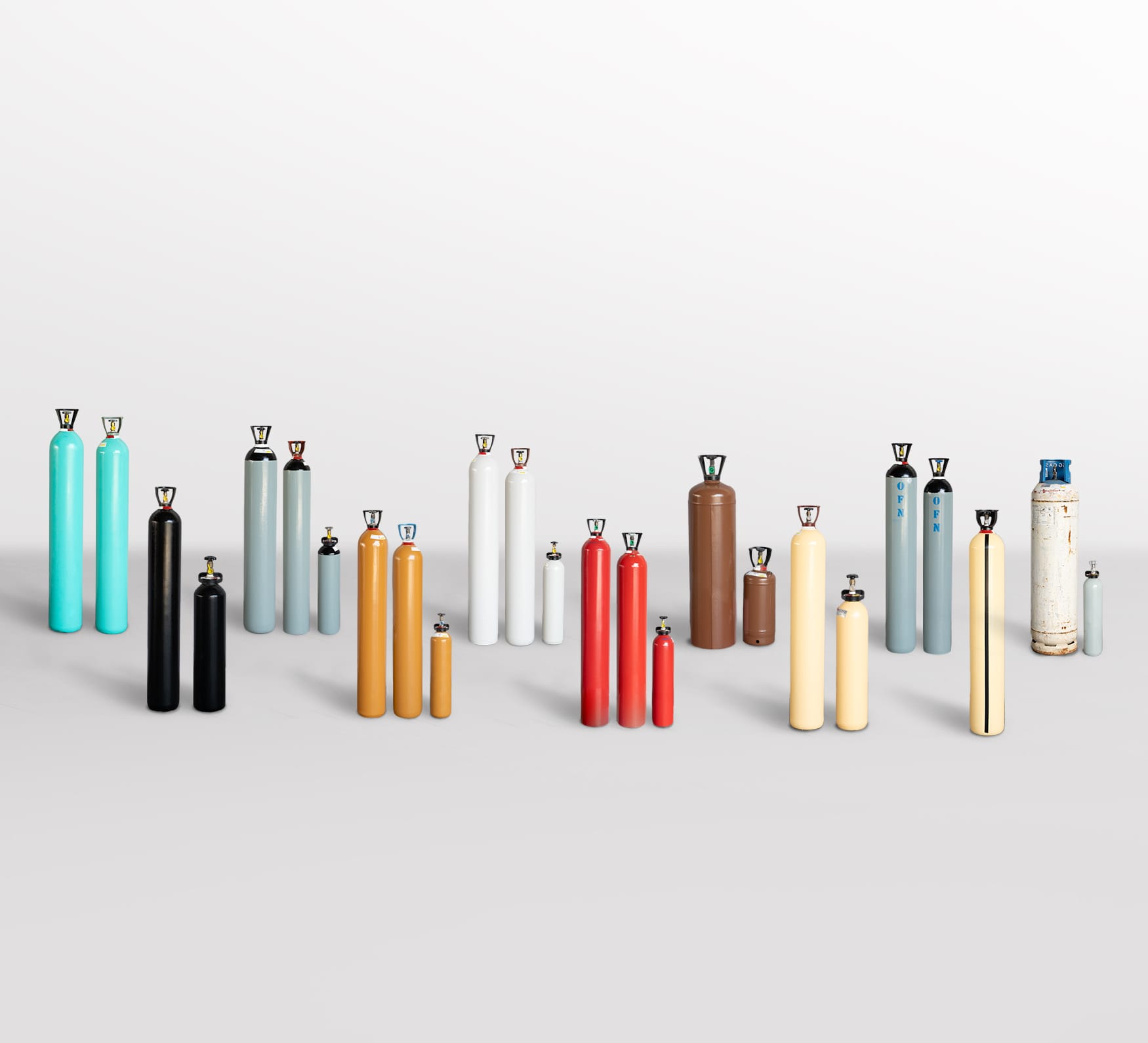
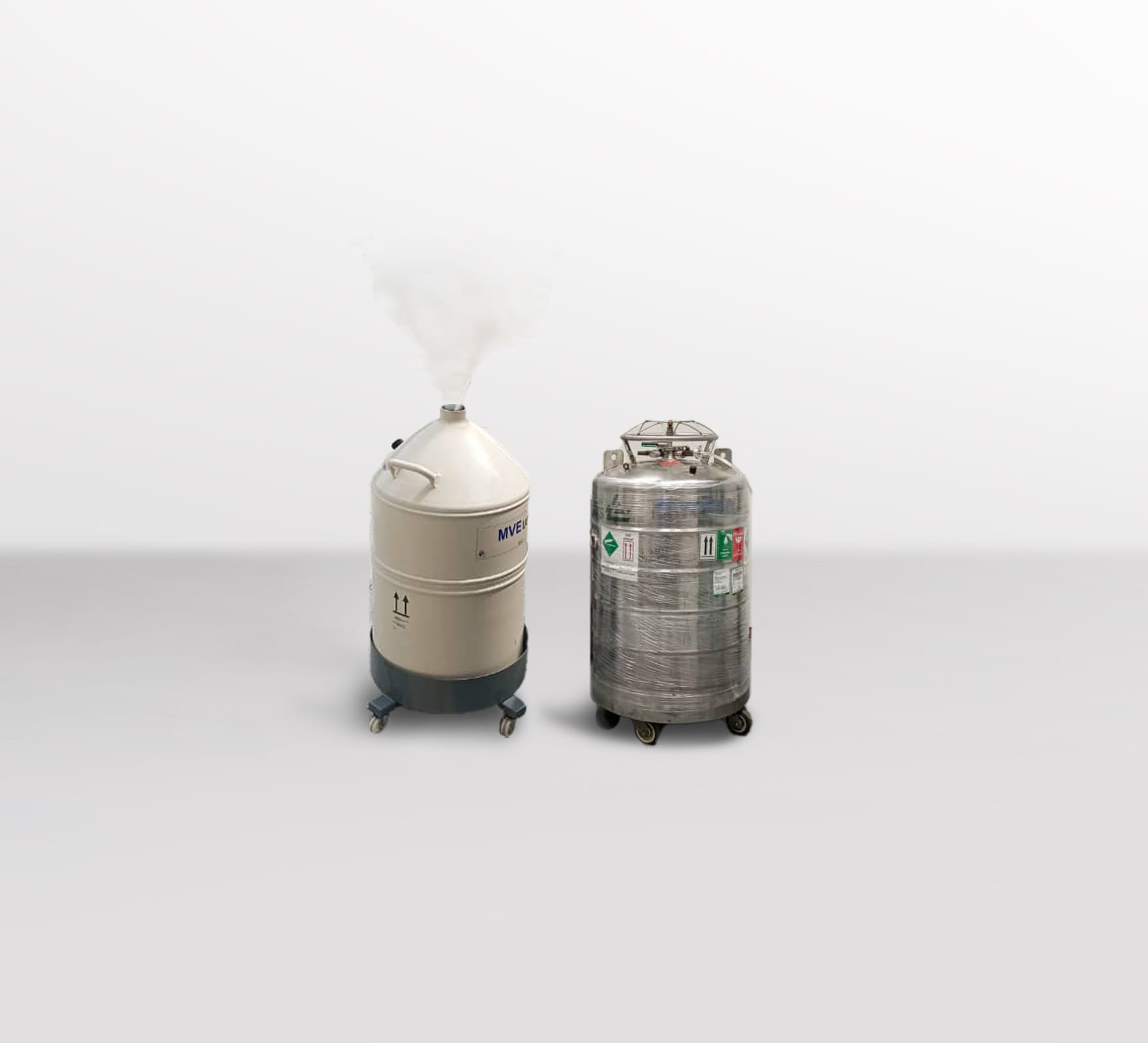
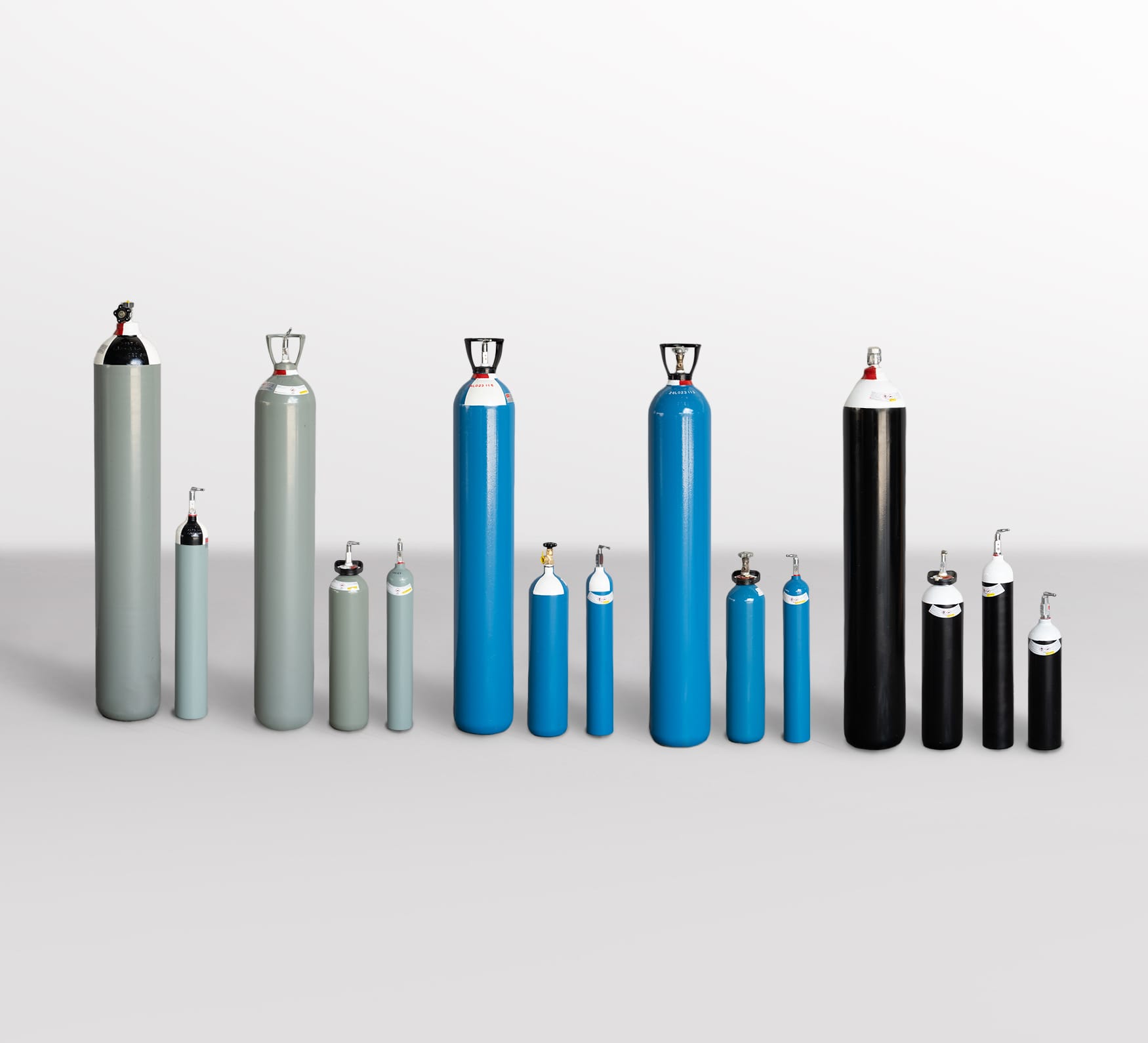
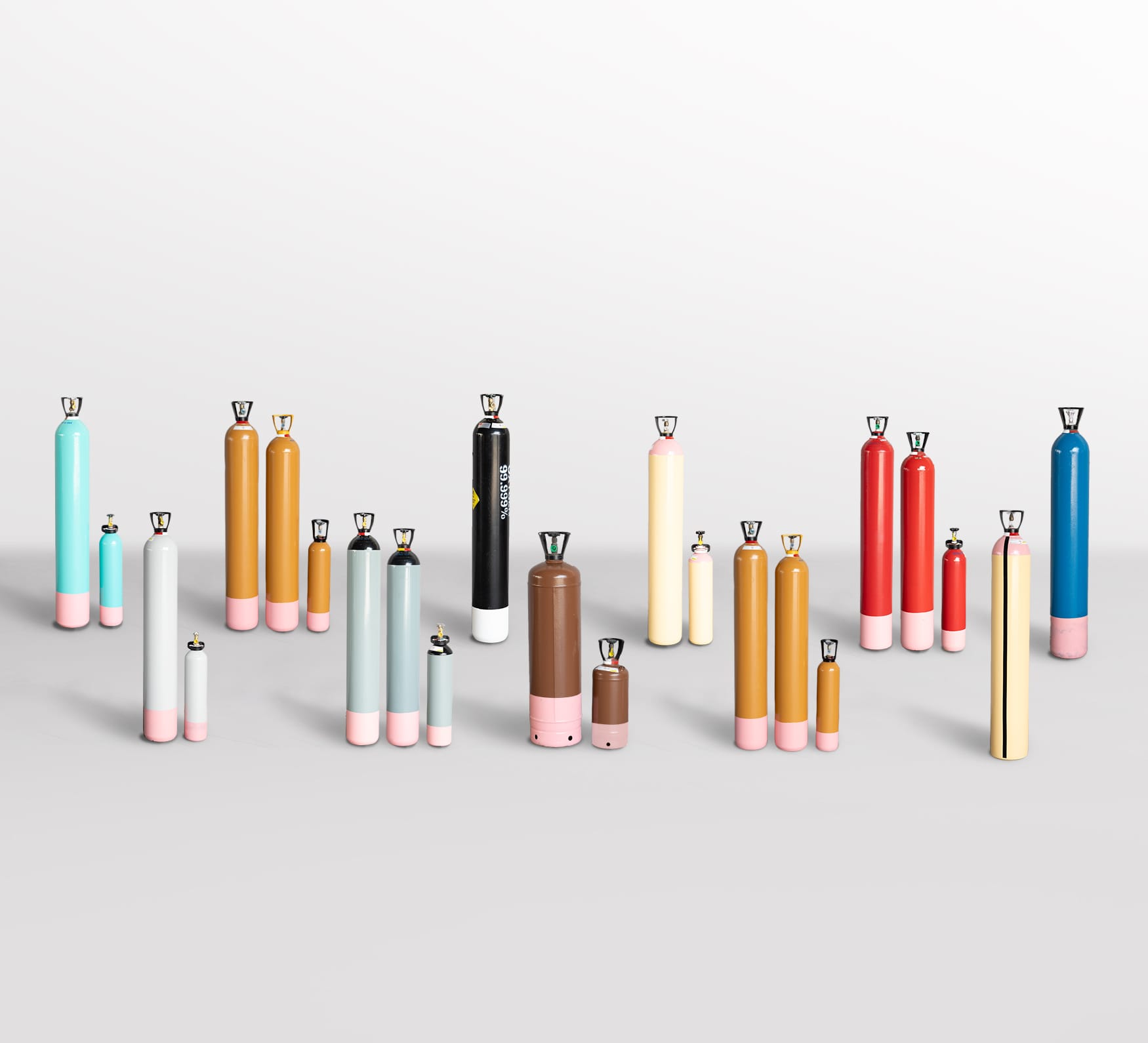
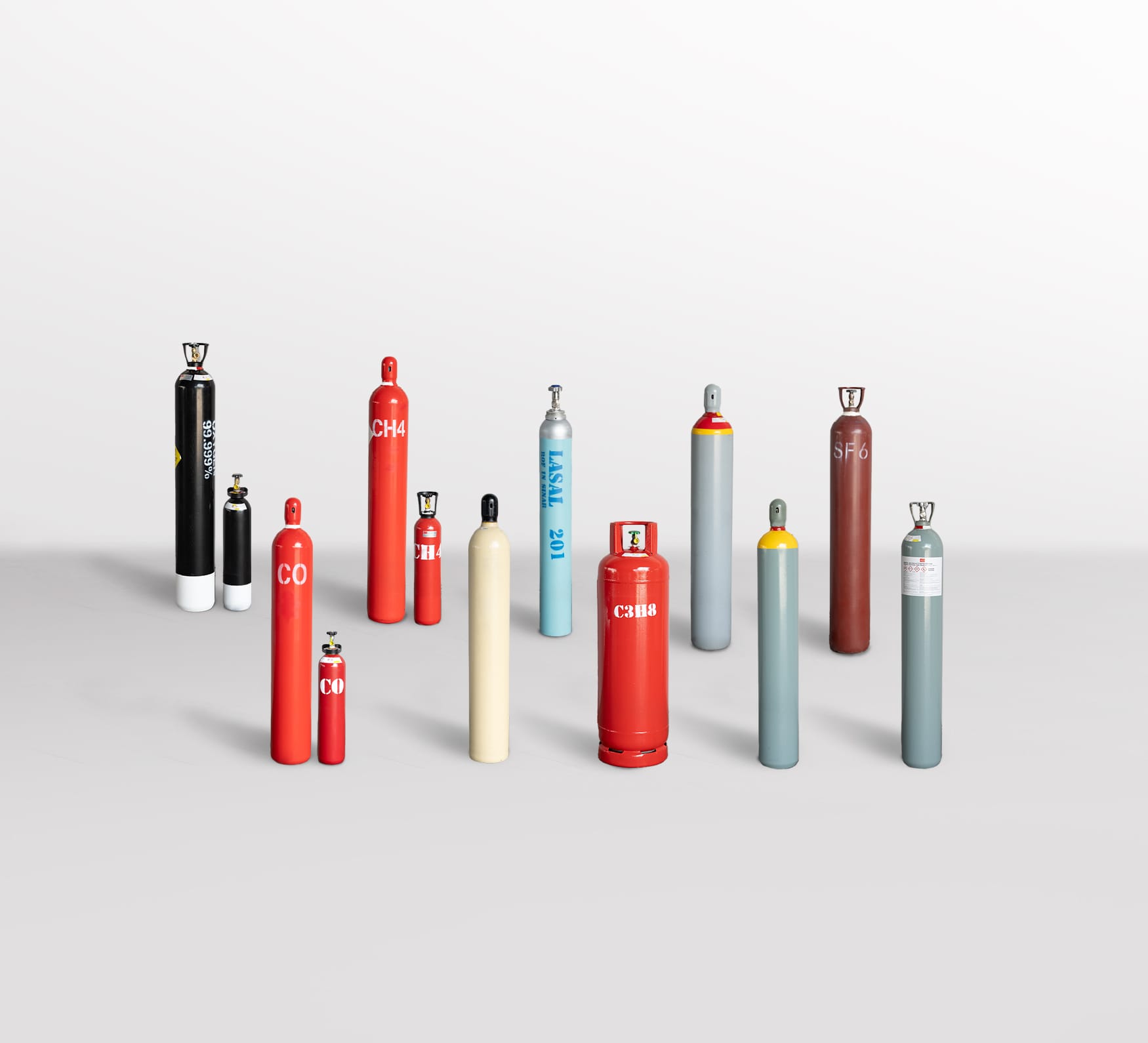

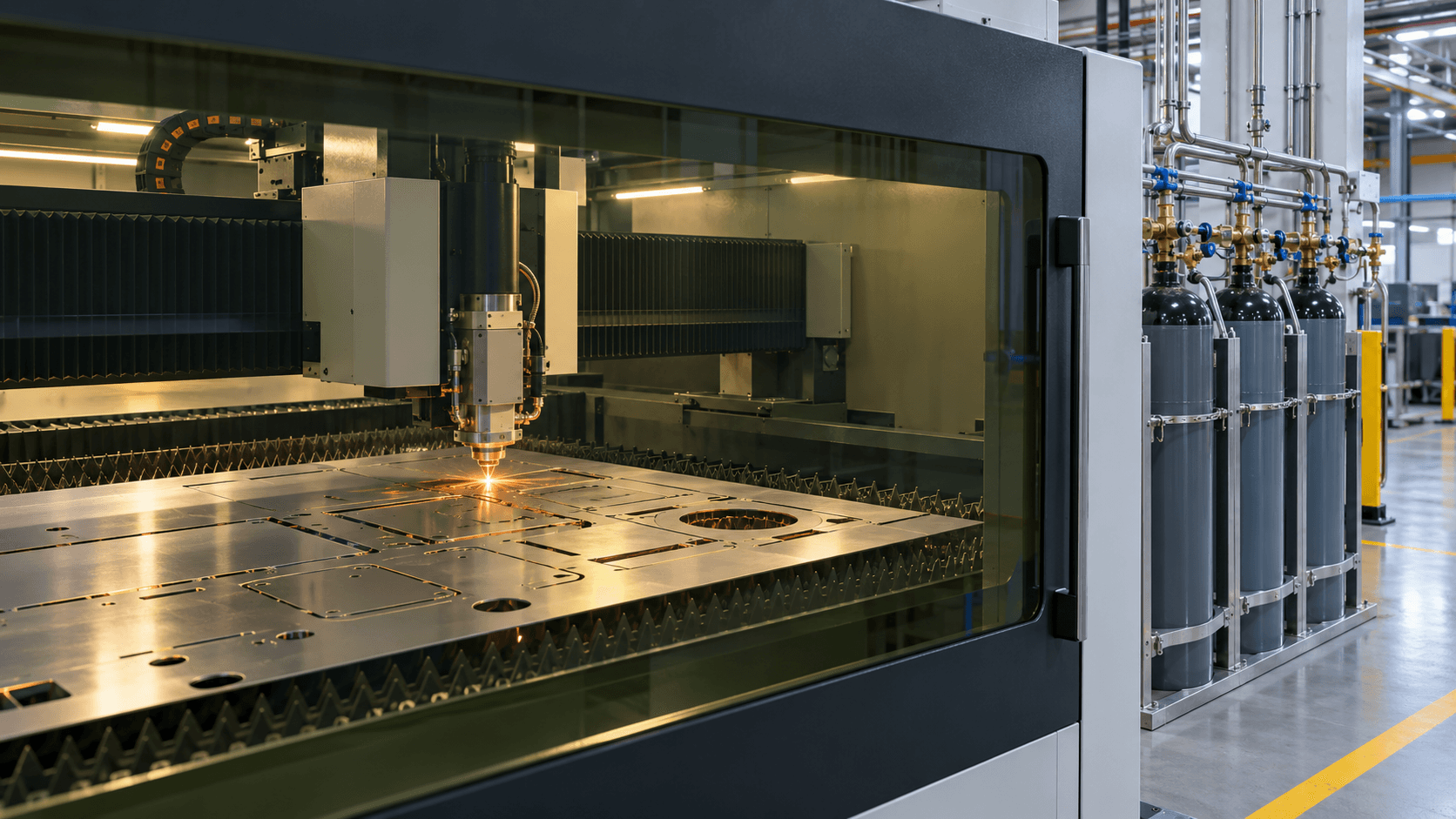
Laser Cutting Gas Malaysia buyers should select assist gas according to the machine specification, metal and required edge finish. Nitrogen can support cutting where limiting oxidation matters, while purity, pressure, flow and dependable delivery determine whether the supply suits the workshop.
This practical guide helps Malaysian fabrication teams compare options and prepare a clear gas enquiry without guessing machine settings.
Table of Contents
- What Is Laser Cutting Gas Malaysia Used For?
- Should You Choose Nitrogen or Oxygen?
- What Nitrogen Purity Does Your Laser Need?
- Why Do Pressure and Flow Need Separate Checks?
- How Do You Choose a Suitable Supply Format?
- How Can Workshops Compare Quality and Cost?
- What Safety Controls Does the Gas Supply Need?
- What Should You Send to an Industrial Nitrogen Supplier?
- Frequently Asked Questions
What Is Laser Cutting Gas Malaysia Used For?
Laser assist gas flows through the cutting nozzle while the laser heats the material. Its role includes removing molten metal from the cut; the gas also influences the reaction at the edge. Choosing it is a process decision, not simply a cylinder purchase.
For a Malaysian sheet-metal business, that decision affects the finished component, subsequent coating or welding, and production scheduling. A supplier enquiry should therefore begin with material, thickness, machine model and the approved gas specification.
Nitrogen, oxygen and compressed air may be used in different approved processes. This guide concentrates on nitrogen gas for laser cutting Malaysia enquiries and the practical differences buyers should discuss with their equipment manufacturer.
Should You Choose Nitrogen or Oxygen?
Choose the gas from the machine maker’s validated cutting conditions and your required edge finish. Nitrogen and oxygen perform different roles, so changing gases can require a different process setup.
Nitrogen for Fusion Cutting
TRUMPF explains fusion cutting as a process that uses nitrogen or argon to expel molten material, with the laser providing the cutting energy. Nitrogen helps limit oxidation at the cut edge, making it relevant when stainless-steel components need a clean finish.
Oxygen for Reactive Cutting
In oxygen-assisted flame cutting, oxygen reacts with the heated metal and contributes energy. It is commonly considered for suitable mild-steel work. The oxidised edge can affect later finishing, so check downstream requirements before treating oxygen laser cutting gas as a cheaper substitute.
Compressed air is another machine-dependent option. Its composition and cleanliness differ from supplied nitrogen. Review equipment guidance and trial results rather than assuming it produces the same edge quality.
What Nitrogen Purity Does Your Laser Need?
Nitrogen purity for laser cutting should come from the machine specification and the quality requirement for the part. There is no single grade that is automatically correct for every metal, thickness and cutting system.
Ask for the specified nitrogen content and relevant impurity limits, including oxygen and moisture where required. A purity percentage alone may not communicate the complete requirement. Confirm whether the supplier’s documentation supports the specification used for production.
AGS lists industrial nitrogen and oxygen free nitrogen. Send your approved specification when enquiring; the product name alone does not prove suitability for your laser. The oxygen free nitrogen guide explains why low oxygen content matters across industrial applications.
Why Do Pressure and Flow Need Separate Checks?
Pressure describes the gas delivery condition; flow describes how much gas the cutting process consumes. Both must meet the machine requirement during operation. A cylinder showing pressure does not establish that the installation can maintain adequate flow at the nozzle.
Laser cutting gas pressure depends on the material, thickness, nozzle and validated process settings. Obtain the required inlet conditions from the equipment manufacturer. Do not copy a pressure value from an unrelated machine or increase it to compensate for an unidentified problem.
- Check peak demand during the most gas-intensive approved job.
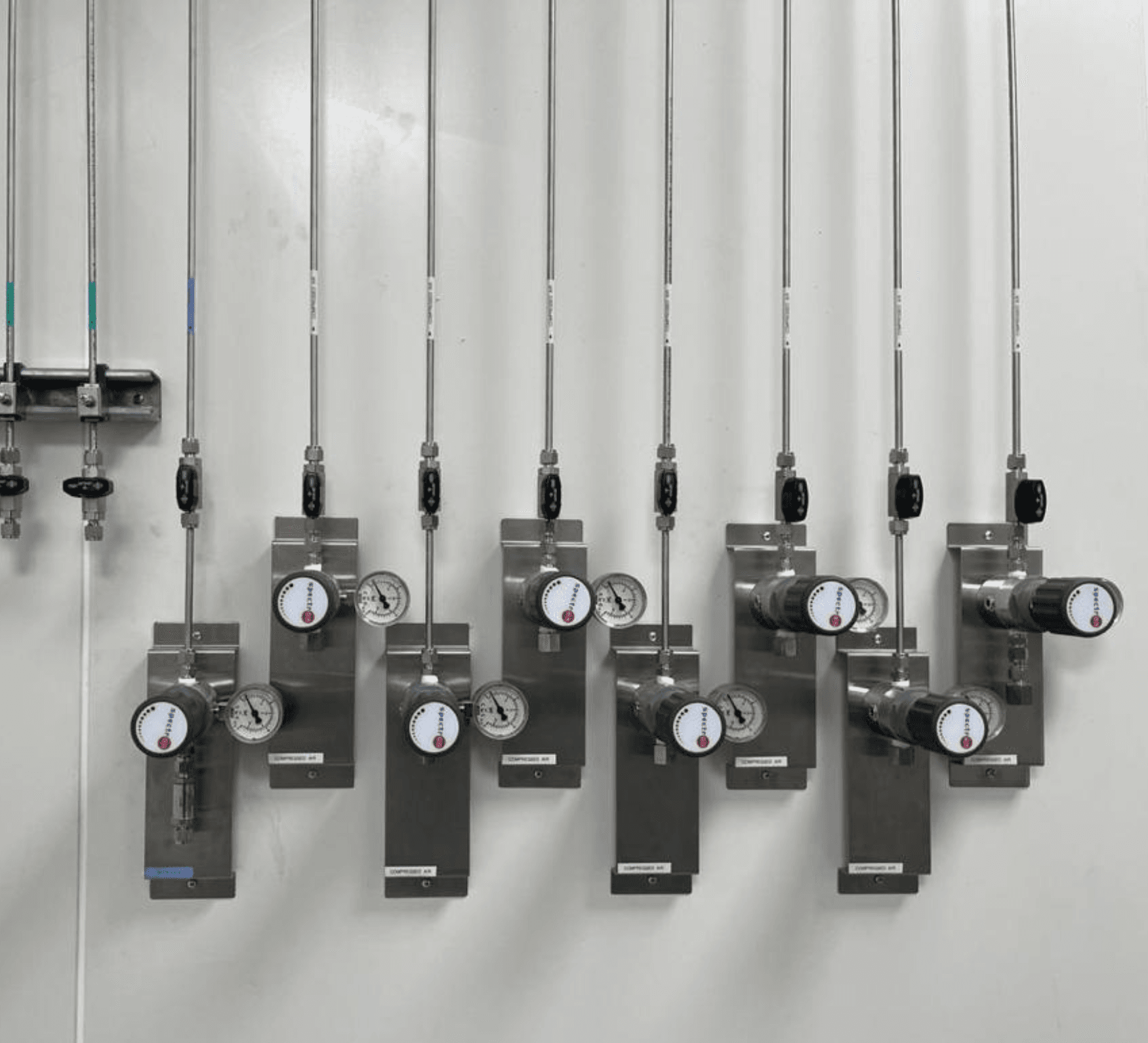
- Confirm regulator capacity, pressure ratings and compatible connections.
- Assess pressure loss through the supply line with a qualified installer.
- Account for simultaneous demand if several machines share a supply.
Record the conditions when a problem occurs: material, nozzle, job stage, gas source and alarms. This helps distinguish a supply limitation from a machine or cutting-parameter issue.
How Do You Choose a Suitable Supply Format?
Choose a supply arrangement using measured consumption, peak demand, operating hours and available space. Small trial jobs and continuous production have different needs; a low purchase price is not enough if the arrangement interrupts cutting.
Cylinders and Cylinder Banks
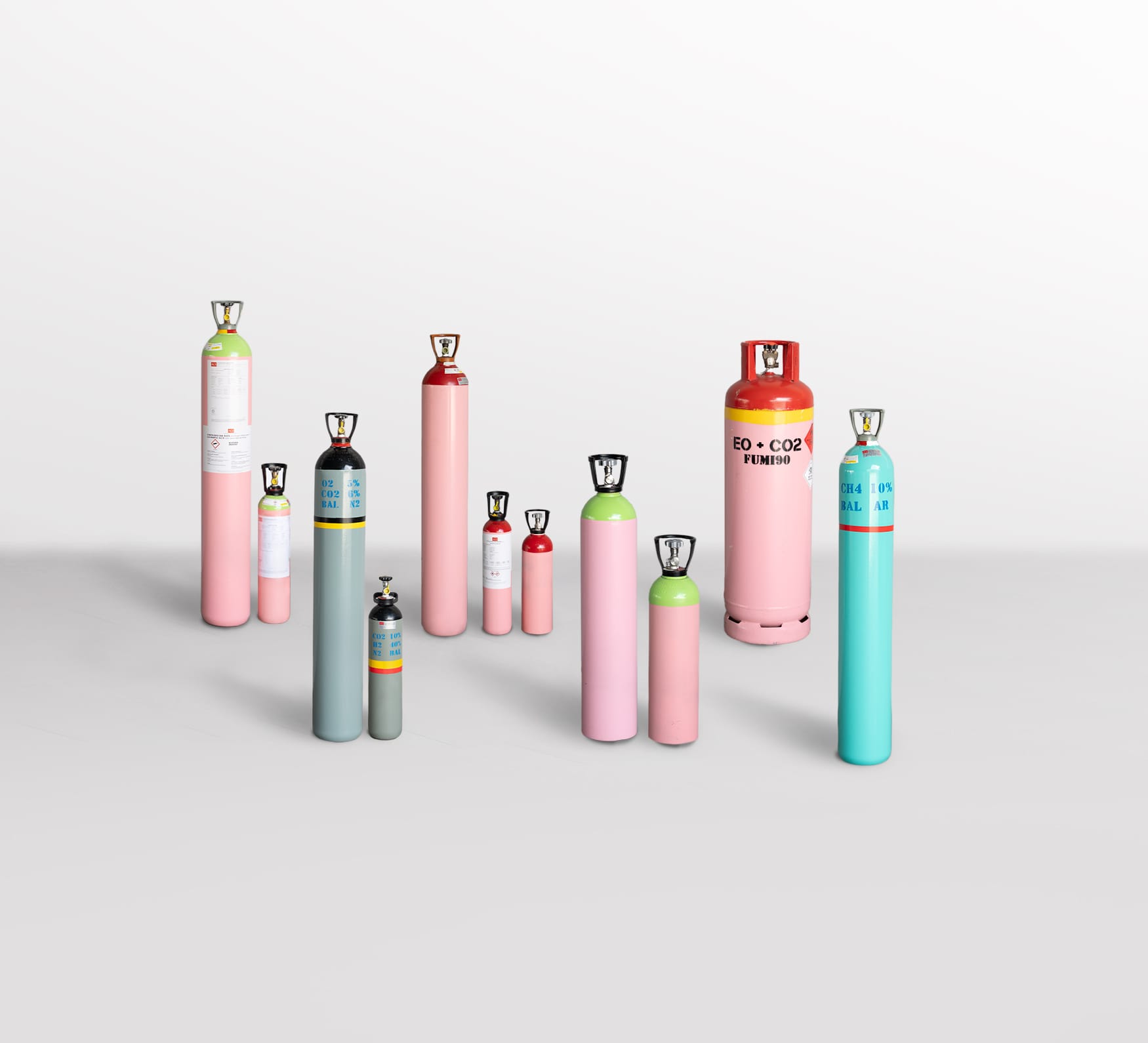
Cylinders can suit trials or lower-volume work where their available capacity meets demand. Recurring production may need a properly designed bank and changeover arrangement. Calculate usable supply and replacement timing instead of waiting for a cylinder to run low during an urgent order.
Higher-Volume Supply
Where demand grows, discuss suitable higher-volume options and backup planning with the supplier. Liquid storage, vaporisation or generation systems require separate engineering assessments. Do not assume that a listed nitrogen product includes installation, commissioning or all equipment needed for your site.
For laser assist gas Malaysia purchasing, request confirmation of delivery coverage, lead time, package availability and technical scope. Include the workshop address in Selangor, Penang or your actual Malaysian location rather than assuming the same supply arrangement is available everywhere.
How Can Workshops Compare Quality and Cost?
Compare total cost per accepted part, not only the quoted gas price. Include gas consumption, cylinder handling, interruptions, rejected parts and any extra edge-cleaning work. A cheaper gas can become expensive if it changes the finish your customer requires.
For stainless-steel enclosures, fabricated machinery components or sheet-metal assemblies, record the acceptance criteria before a trial. Compare equivalent jobs using approved settings and keep inspection results. This produces a useful basis for purchasing without promising that gas changes alone will improve every cut.
MIDA identifies fabricated metal products as an important supporting industry within Malaysia’s manufacturing ecosystem. A focused gas supply for metal fabrication enquiry connects procurement to production needs rather than general manufacturing claims.
What Safety Controls Does the Gas Supply Need?
Nitrogen is non-flammable, but it can displace breathable oxygen. CDC safety guidance describes this as an asphyxiation hazard. Assess ventilation, release scenarios and monitoring needs for the actual installation, especially in enclosed supply rooms.
Secure cylinders, protect valves and use equipment rated for the service. Train staff for changeovers and follow the supplier’s safety data sheet. Review AGS’s compressed gas cylinder safety guide alongside the site’s own procedures.
Oxygen supply needs its own compatibility and cleanliness controls. Keep the laser enclosure and machine safeguards in service, and have gas line work assessed by qualified personnel. Assist gas planning does not replace the laser manufacturer’s operating instructions.
What Should You Send to an Industrial Nitrogen Supplier?
Send an industrial nitrogen supplier Malaysia enquiry that makes the operating requirement clear. Include the following information:
- Machine make, model and manufacturer-approved gas requirements.
- Metals, thickness range and desired finished-edge condition.
- Gas purity, impurity limits and documentation requirements.
- Required inlet pressure, peak flow and operating schedule.
- Current supply format, delivery address and target start date.
Use AGS’s industrial nitrogen guide for broader applications, then browse the Industrial Gases category. Contact AGS with your cutting specification to confirm available gas, delivery and supporting equipment.
Frequently Asked Questions
Is nitrogen always better than oxygen for laser cutting?
No. The correct gas depends on the material, machine and required edge finish. Use the equipment manufacturer’s approved process conditions.
What nitrogen purity should I order?
Order the purity and impurity limits specified for your laser and product quality requirement. Avoid selecting a grade solely by its name.
Can gas supply problems cause inconsistent cuts?
Supply pressure or flow limitations may contribute, but nozzle condition, material and machine settings also matter. Diagnose the cause before changing gas.
Can AGS supply nitrogen for my fabrication workshop?
AGS lists nitrogen products. Send the machine specification, expected consumption and location so AGS can confirm a suitable available option.
Conclusion
Laser Cutting Gas Malaysia procurement should connect edge quality, gas specification and supply capacity. Confirm the approved process, measure usage and compare the complete cost of keeping production supplied.
Discuss your nitrogen requirements with AGS using your machine details and cutting schedule, so the enquiry addresses the workshop’s actual needs.