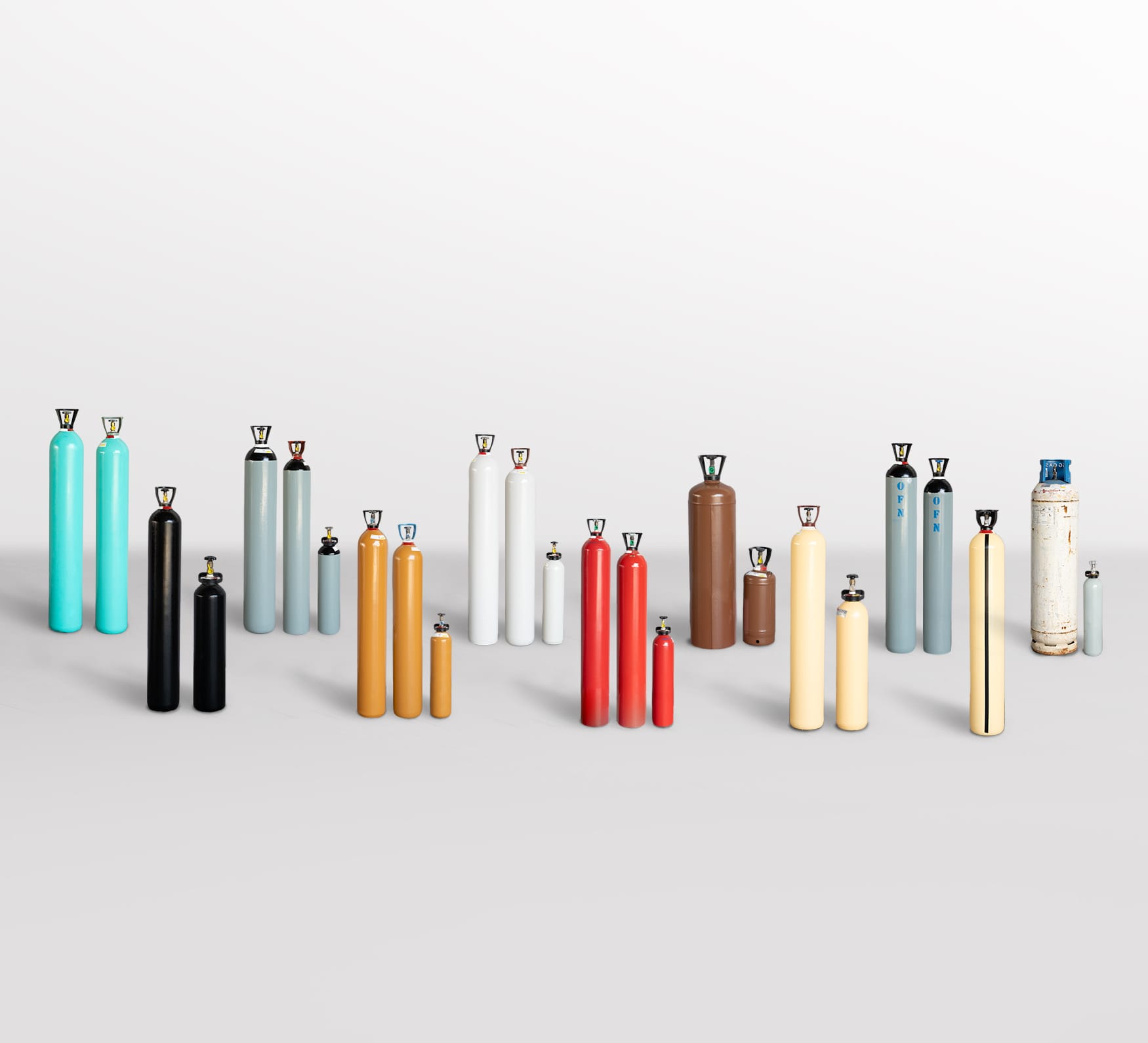
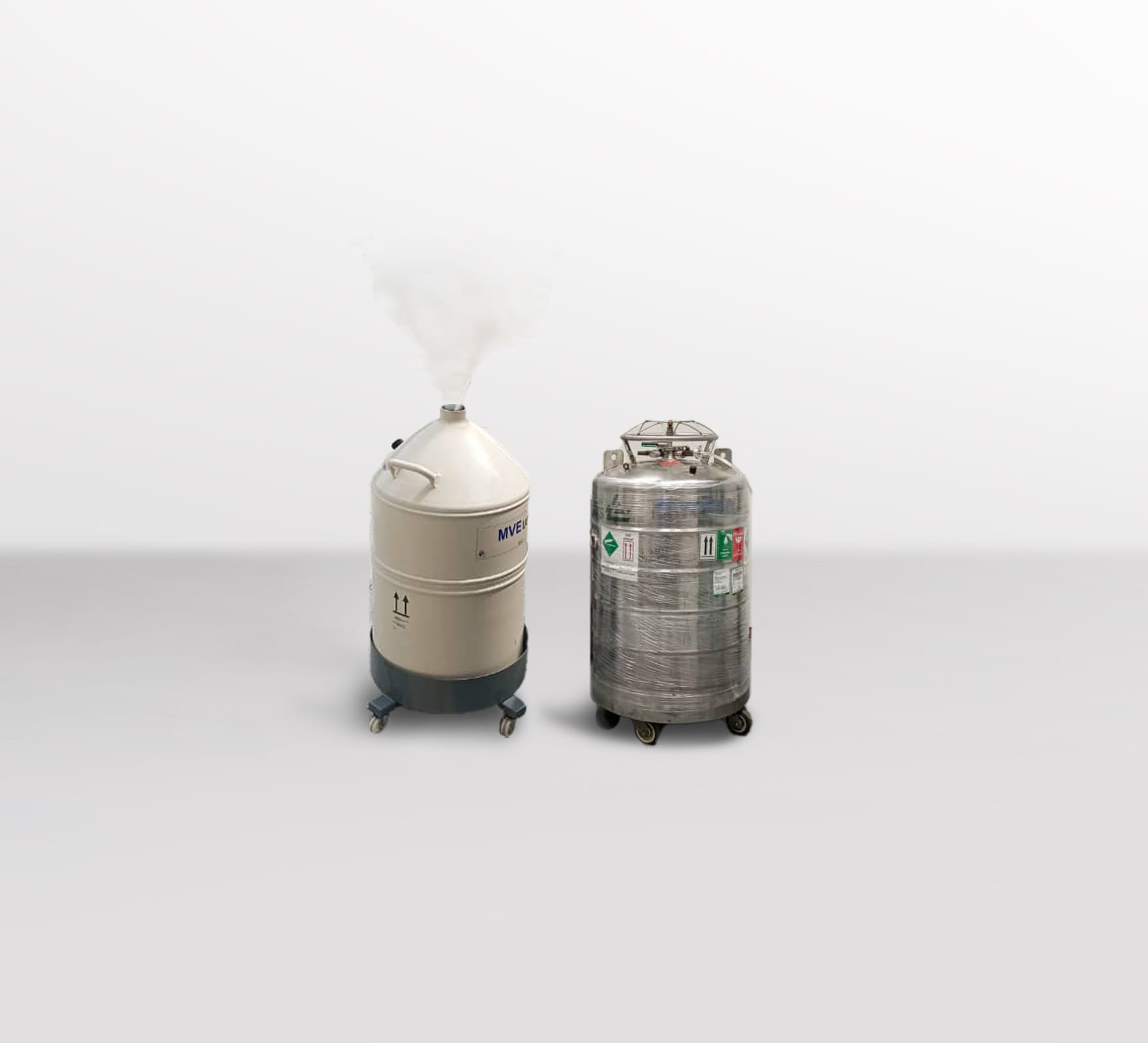
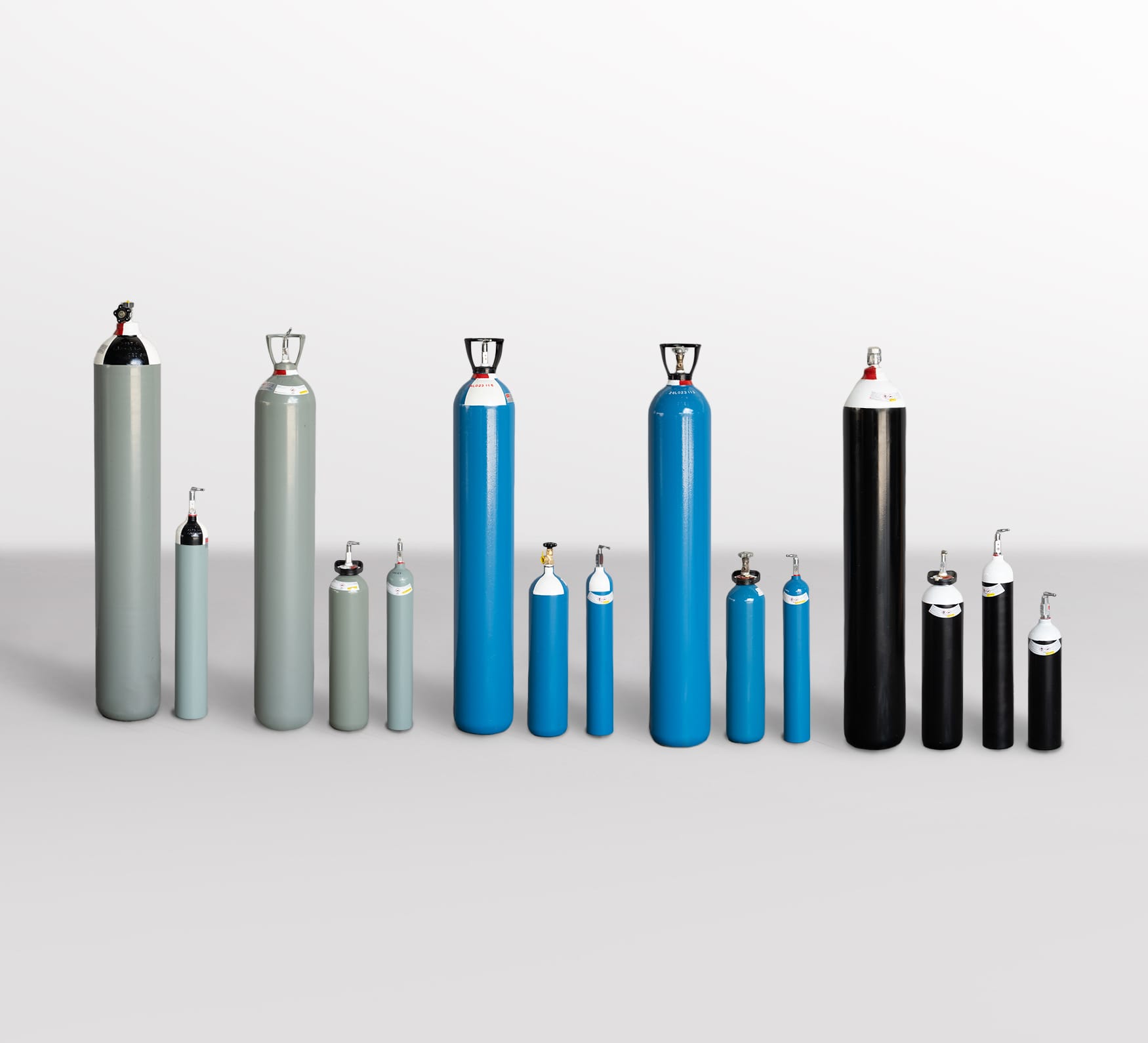
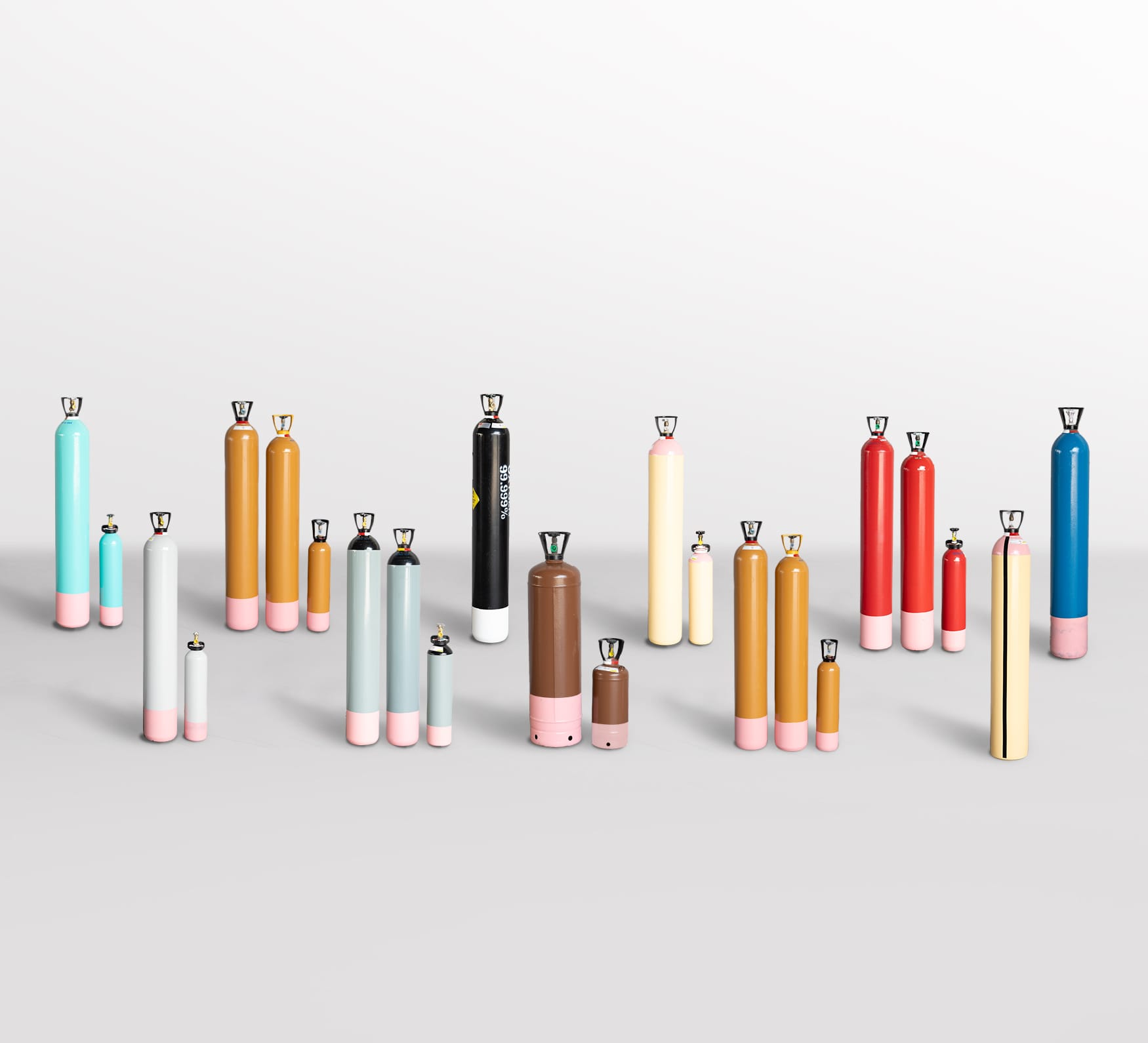

Semiconductor gases Malaysia manufacturers rely on must meet strict purity, consistency, safety, and supply requirements. Malaysia’s semiconductor and electronics industries use industrial and specialty gases across wafer fabrication, cleanroom operations, assembly, testing, equipment maintenance, and quality-control processes.
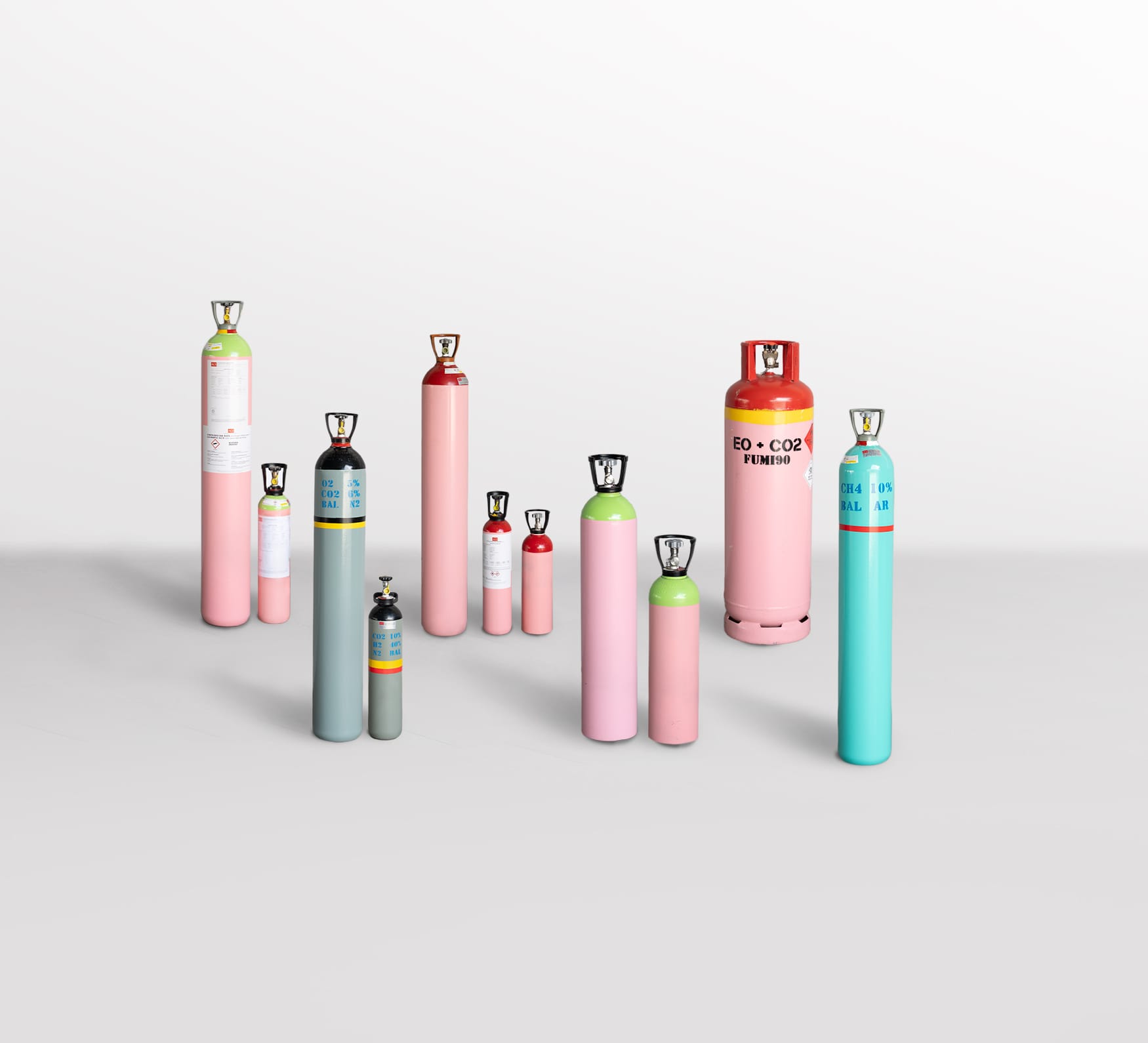
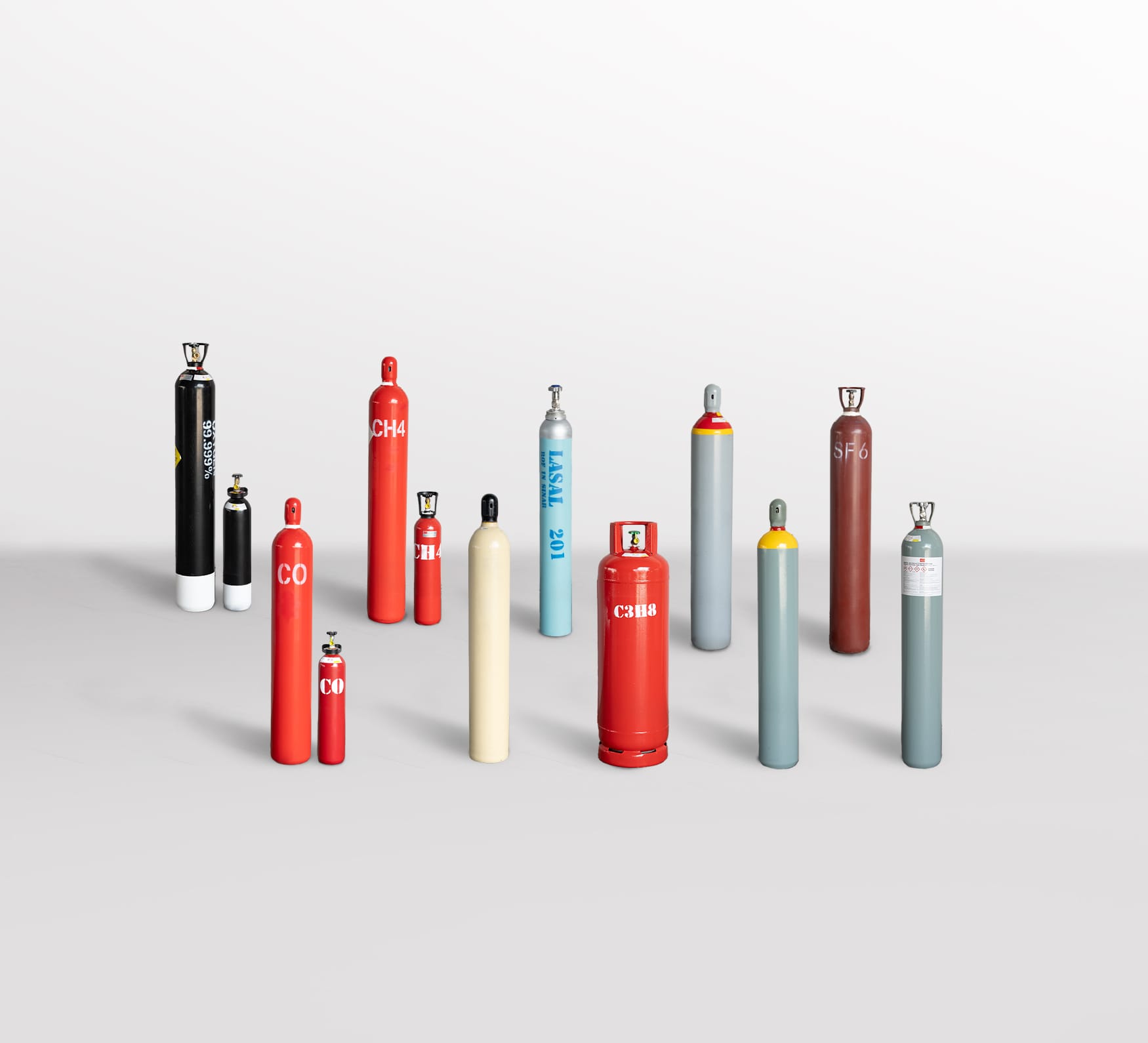
Common gases include nitrogen, argon, hydrogen, helium, oxygen, carbon dioxide, and specially formulated gas mixtures. Each gas supports a different manufacturing purpose, including purging process lines, creating inert atmospheres, preventing oxidation, detecting leaks, controlling plasma processes, and protecting sensitive components from moisture and contamination.
Choosing the correct gas grade, pressure, delivery system, and storage arrangement is critical. An unsuitable gas specification or interrupted supply may affect production yield, equipment reliability, workplace safety, and manufacturing continuity.
This guide explains the main gases used in semiconductor production, their common applications, and the factors manufacturers should consider when choosing a specialty gas supplier in Malaysia.
Table of Contents
- What Are Specialty Gases for Semiconductor Manufacturing?
- 4 Common Gases Used in Semiconductor Manufacturing
- Applications in Semiconductor Manufacturing Malaysia
- Benefits of Specialty and Industrial Gases
- Safety, Quality and Cleanroom Gas Supply Considerations
- How to Choose a Specialty Gas Supplier Malaysia
- FAQ
What Are Semiconductor Specialty Gases?
Specialty gases for semiconductor manufacturing are supplied according to defined purity, composition, consistency, and handling requirements. Unlike general-purpose industrial gases, semiconductor applications may require tighter quality control because even small amounts of moisture, oxygen, particles, or other impurities can affect wafers, electronic components, equipment performance, and process stability.
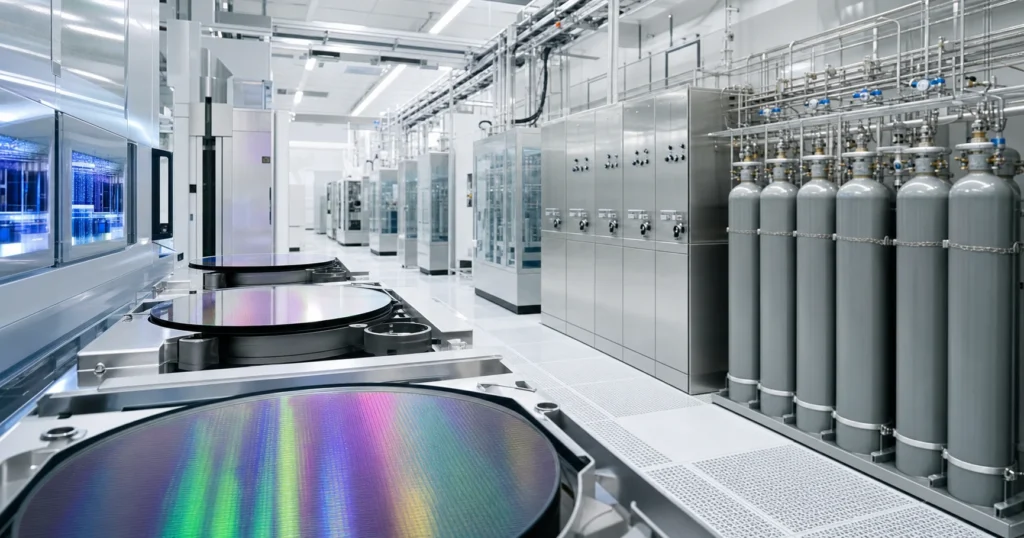
In semiconductor gases Malaysia applications, manufacturers use gases for cleanroom support, inerting, purging, carrier-gas functions, leak detection, thermal processing, plasma operations, packaging, calibration, and quality control. The required gas grade depends on the production process, equipment specification, operating pressure, and desired quality standard.
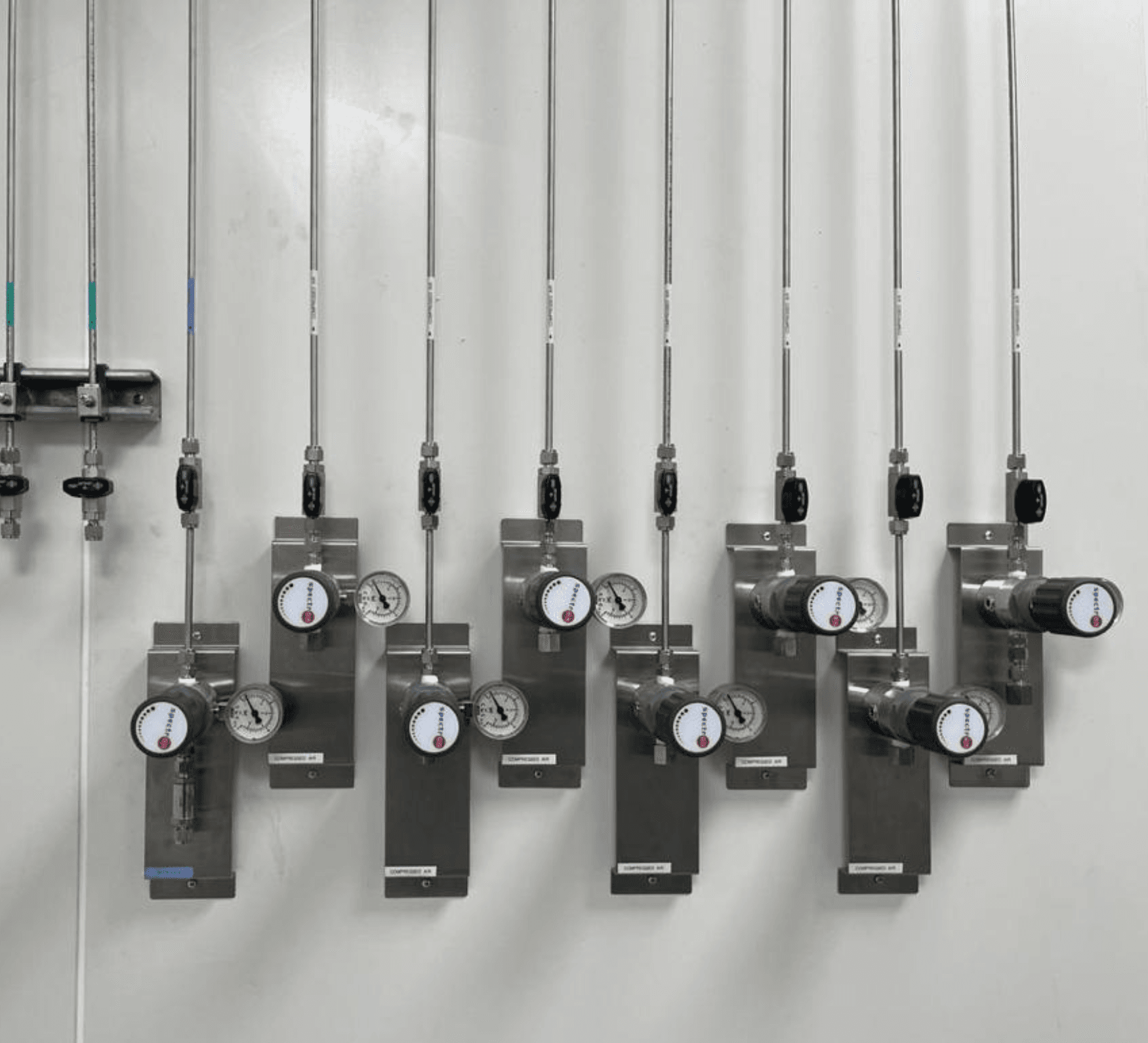
Reliable gas delivery is equally important. Suitable regulators, valves, piping, manifolds, storage systems, and monitoring equipment help maintain consistent gas flow while protecting employees, production equipment, and finished products.
For manufacturers serving regional and international markets, gas supply is more than a technical requirement. It is also part of production continuity, quality assurance, and risk management.
4 Common Gases Used in Semiconductor Manufacturing
Semiconductor facilities may use several gases across different process areas. The following are some of the most common gas categories relevant to Malaysian electronics and semiconductor manufacturers.
Nitrogen
Nitrogen gas semiconductor Malaysia applications often include purging, blanketing, drying, inerting, and cleanroom support. Nitrogen is widely used because it is inert and helps reduce oxygen or moisture exposure in sensitive processes.
- Purge gas for tools, chambers, and lines
- Inert atmosphere support
- Drying and moisture control
- General cleanroom utility gas applications
Argon
Argon gas wafer fabrication Malaysia applications can include inert shielding, sputtering support, plasma processes, and controlled atmospheres. Argon is valued because it is chemically inert and suitable for processes where reactivity must be minimized.
- Sputtering and deposition support
- Inert process atmosphere
- Shielding in selected electronics applications
- Laboratory and quality-control use
Hydrogen
Hydrogen gas electronics manufacturing Malaysia may be used in selected reducing atmospheres, thermal processes, and specialist manufacturing operations. Because hydrogen is flammable, it requires careful storage, compatible equipment, leak control, ventilation, and trained personnel.
- Reducing atmosphere applications
- Specialist thermal processing
- Selected electronics manufacturing processes
- Applications requiring strict safety controls
Helium
Helium leak testing semiconductor Malaysia applications are important where tightness, reliability, and quality control matter. Helium can be used for leak detection because it is inert and can pass through tiny leak paths that other test methods may miss.
- Leak testing for components and systems
- Specialist cooling or process support
- Quality-control applications
- High-value electronics testing environments
Applications in Semiconductor Manufacturing Malaysia
Specialty and industrial gases support multiple stages of semiconductor and electronics production. They may be used directly in manufacturing processes or indirectly as utilities that keep production environments stable.
Cleanroom and Process Purging
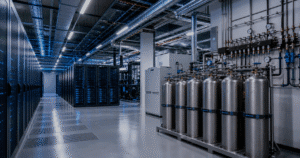
Cleanroom gas supply Malaysia often includes nitrogen and other gases used to purge equipment, lines, enclosures, or process chambers. Purging helps remove air, oxygen, moisture, or residual gases that could affect process stability.
Wafer Fabrication and Deposition
Wafer fabrication may require inert gases such as argon, as well as specialty gases and mixtures that support deposition, etching, plasma processes, and thermal treatment. Gas quality, flow control, and supply consistency are critical in these environments.
Testing, Packaging, and Quality Control
Semiconductor back-end processes, assembly, testing, and packaging may use nitrogen, helium, argon, and other gases for inerting, leak testing, equipment protection, and product quality checks. These applications support reliability before components move into downstream electronics products.
Equipment and Facility Support
Beyond direct production, gases can support calibration, maintenance, laboratory analysis, cooling, and safety systems. A well-planned gas supply arrangement helps facility teams reduce downtime and respond faster when production demand changes.
Benefits of Specialty and Industrial Gases
Using the right gases can provide several practical benefits for semiconductor and electronics manufacturers in Malaysia.
- Supports stable cleanroom and process conditions
- Helps protect sensitive wafers, components, and equipment
- Improves process repeatability and quality control
- Supports testing, leak detection, and production validation
- Reduces downtime caused by poor gas planning
- Helps manufacturers scale supply as production grows
For commercial buyers, the biggest advantage is reliability. A consistent gas supply helps production teams follow planned schedules and avoid emergency purchases that can disrupt manufacturing flow.
The right gas partner can also help companies match gas package sizes, delivery frequency, storage capacity, and equipment requirements to actual production demand. This is useful for both established plants and growing electronics manufacturers.
As Malaysia competes for more high-value electronics and semiconductor investment, dependable industrial gas supply becomes part of the broader manufacturing ecosystem. Companies that plan gas requirements early are better positioned to maintain quality and meet customer expectations.
Safety, Quality and Cleanroom Gas Supply Considerations
Semiconductor gas supply requires careful attention to safety and quality. Some gases are inert but can displace oxygen in enclosed areas, while others may be flammable, oxidizing, high-pressure, or stored in cryogenic form. Each gas must be handled according to its specific risk profile.
Important considerations include gas grade, purity, certificate requirements, cylinder storage, compatible regulators, leak checks, ventilation, gas detection, emergency response, and staff training. In cleanroom or high-value manufacturing environments, contamination control and documentation may also be important.
- Use the correct gas grade and purity for the process
- Store cylinders securely and segregate incompatible gases
- Use compatible valves, regulators, fittings, and hoses
- Review ventilation and gas detection requirements
- Train staff on cylinder handling and emergency procedures
- Inspect gas systems regularly for leaks or wear
Facility teams should also review delivery access, cylinder movement routes, storage area layout, and changeover procedures. These details may seem operational, but they can affect safety, production uptime, and cleanroom discipline.
How to Choose a Specialty Gas Supplier Malaysia
Choosing a specialty gas supplier Malaysia is an important decision for semiconductor and electronics manufacturers. The right supplier should understand both industrial gas handling and the quality expectations of high-tech manufacturing environments.
A reliable supplier should provide suitable gas options, consistent delivery, technical consultation, safe cylinder handling guidance, and support for supply planning. For facilities with growing production demand, the supplier should also help review whether current cylinder supply is enough or whether a different supply arrangement is needed.
- Experience with industrial and purified gases
- Reliable delivery for production continuity
- Technical support for nitrogen, argon, hydrogen, helium, and specialty gas mixtures
- Clear product information and documentation
- Safe handling guidance for high-pressure and specialty gases
- Ability to support future production expansion
Before ordering, buyers should confirm the application, gas grade, expected usage, delivery frequency, storage limitations, regulator requirements, and any quality documentation needed by the facility. Sharing these details helps the supplier recommend a safer and more practical solution.
AGS supports Malaysian businesses with industrial gases, purified gases, liquefied gases, gas accessories, and technical consultation. For semiconductor and electronics customers, this means gas supply can be planned around production quality, safety, and uptime.
Explore AGS resources:
Industrial Gases Malaysia Guide
Industrial Gases Used in Food Manufacturing Malaysia
FAQ
What specialty gases are used in semiconductor manufacturing Malaysia?
Common gases include nitrogen, argon, hydrogen, helium, oxygen, carbon dioxide, and specialty gas mixtures. The correct gas depends on the process, equipment, and quality requirement.
Why is nitrogen used in semiconductor manufacturing?
Nitrogen is commonly used for purging, inerting, drying, and cleanroom utility support because it helps reduce oxygen and moisture exposure in sensitive processes.
How is argon used in wafer fabrication?
Argon is chemically inert and may be used for sputtering, plasma processes, inert atmospheres, shielding, and selected laboratory or quality-control applications.
Why is helium used in semiconductor quality control?
Helium is often used for leak testing because it is inert and can help detect very small leaks in components, systems, or sealed assemblies.
How do I choose a specialty gas supplier Malaysia?
Choose a supplier that provides suitable gas grades, reliable delivery, technical support, safe handling guidance, and supply planning for cleanroom or high-tech manufacturing environments.
Conclusion
Specialty gases semiconductor manufacturing Malaysia is a high-value topic because gases support cleanroom stability, wafer processing, testing, quality control, and production continuity. Nitrogen, argon, hydrogen, helium, and specialty gas mixtures all have roles depending on the process and facility requirements.
For Malaysian semiconductor and electronics manufacturers, choosing the right gas and supplier can improve reliability, safety, and operational confidence. AGS can support businesses with industrial gas supply, purified gases, accessories, and technical consultation for demanding manufacturing environments.