


Helium Leak Testing Malaysia enquiries should start with the test method, required helium grade and component acceptance criteria. Helium acts as a tracer gas so a compatible detector can find leakage, supporting quality checks in vacuum equipment and selected manufactured assemblies.
This guide helps Malaysian engineering and purchasing teams understand the method, specify gas and prepare a practical supplier enquiry.
Table of Contents
- Helium Leak Testing Malaysia: How Does It Work?
- What Is the Difference Between Vacuum and Sniffer Testing?
- Where Is Helium Leak Detection Used?
- What Helium Gas Purity Should You Specify?
- Which Equipment Details Matter Before Ordering Gas?
- How Can Teams Avoid Unreliable Test Results?
- How Should Malaysian Businesses Plan Helium Supply?
- Is Helium Safe to Use for Industrial Testing?
- What Should You Include in an AGS Enquiry?
- Frequently Asked Questions
Helium Leak Testing Malaysia: How Does It Work?
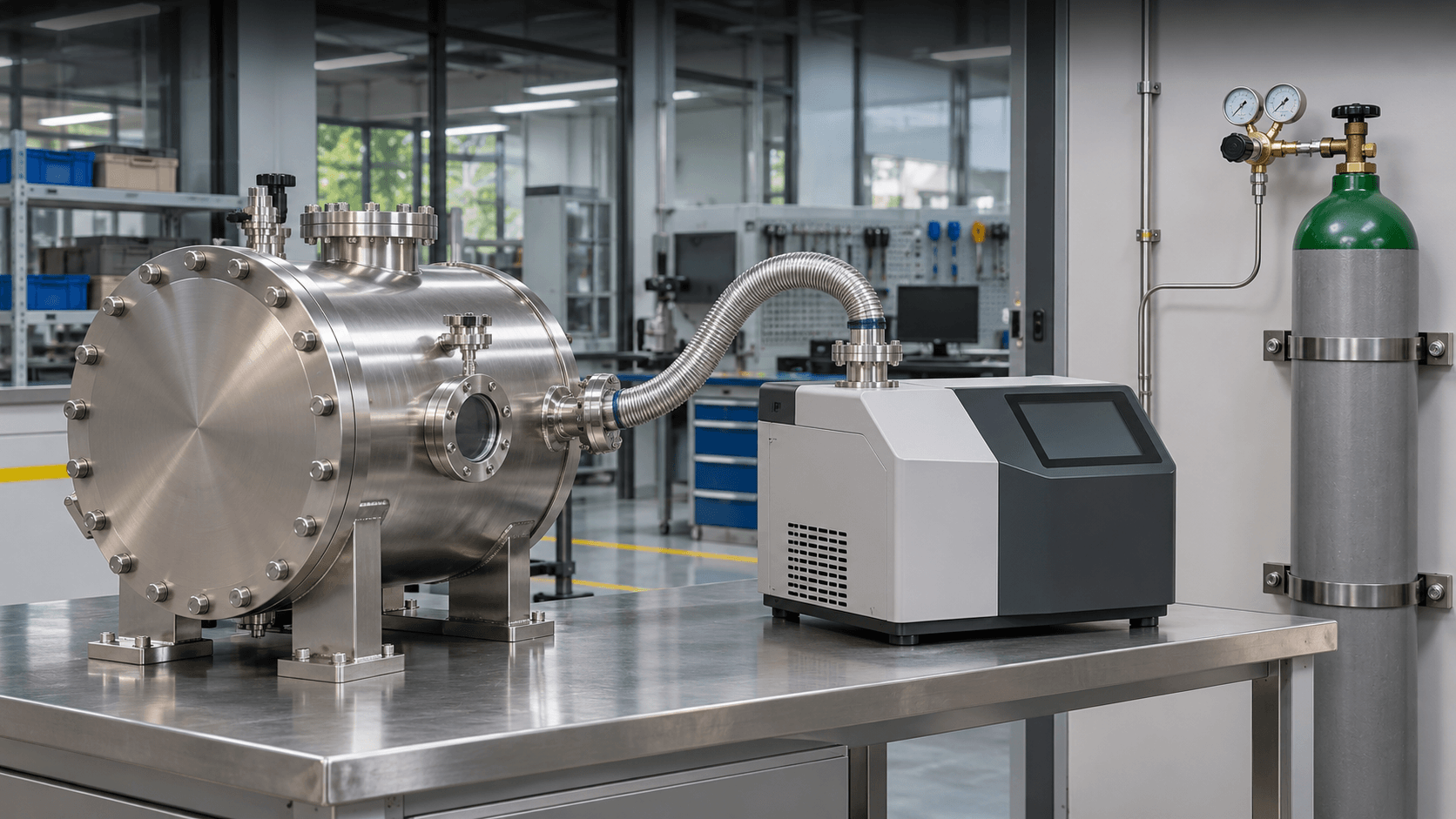
Helium leak testing uses helium as a tracer gas and a compatible detector to identify leakage through a component or system. The test creates a controlled difference between conditions inside and outside the part, then looks for helium crossing the boundary.
The method can support leak location or a measurement against an agreed acceptance limit. These are different tasks: finding a suspect seal does not automatically demonstrate that an entire assembly meets its production specification.
A useful starting point for Malaysian buyers is the approved test method, detector model and gas specification. Purchasing helium without these details can leave the test team with gas that is unsuitable for the intended procedure.
What Is the Difference Between Vacuum and Sniffer Testing?
Vacuum Leak Testing
For a typical vacuum test, the part is evacuated and connected to the detector. Helium applied around suspected external leak points can enter through a leak and produce a detector response. The arrangement must suit the part and the equipment’s operating limits.
Sniffer Leak Testing
For a typical sniffer test, the part contains helium or an approved helium mixture at a specified pressure. A probe samples around joints and other suspect areas to detect escaping tracer gas. The inspection technique affects what the result demonstrates.
Leybold explains these local leak-testing methods. Neither is a universal replacement for the other. Select the setup using the component, required sensitivity and validated procedure, rather than choosing a method solely because the equipment is available.
Where Is Helium Leak Detection Used?
Helium leak detection is relevant where small leaks can affect product integrity, process control or equipment operation. INFICON identifies applications in semiconductor manufacturing, refrigeration and air conditioning, automotive and battery production.
- Vacuum chambers and connected assemblies requiring integrity checks.
- Refrigeration components and heat exchangers evaluated to a defined leak specification.
- Manufactured parts with seals, joints or welded boundaries.
- Selected automotive and battery components tested under approved procedures.
In Malaysia, semiconductor equipment leak testing can sit within wider maintenance and quality programmes. Read AGS’s semiconductor gases guide for broader process applications, then confirm the tracer gas requirement separately for each equipment test.
MIDA reported in November 2026 that Ferrotec had opened its second Kulim plant in October, strengthening the local semiconductor equipment ecosystem. That manufacturing development provides context for precision gas enquiries; it does not establish any relationship between AGS and the project.
What Helium Gas Purity Should You Specify?
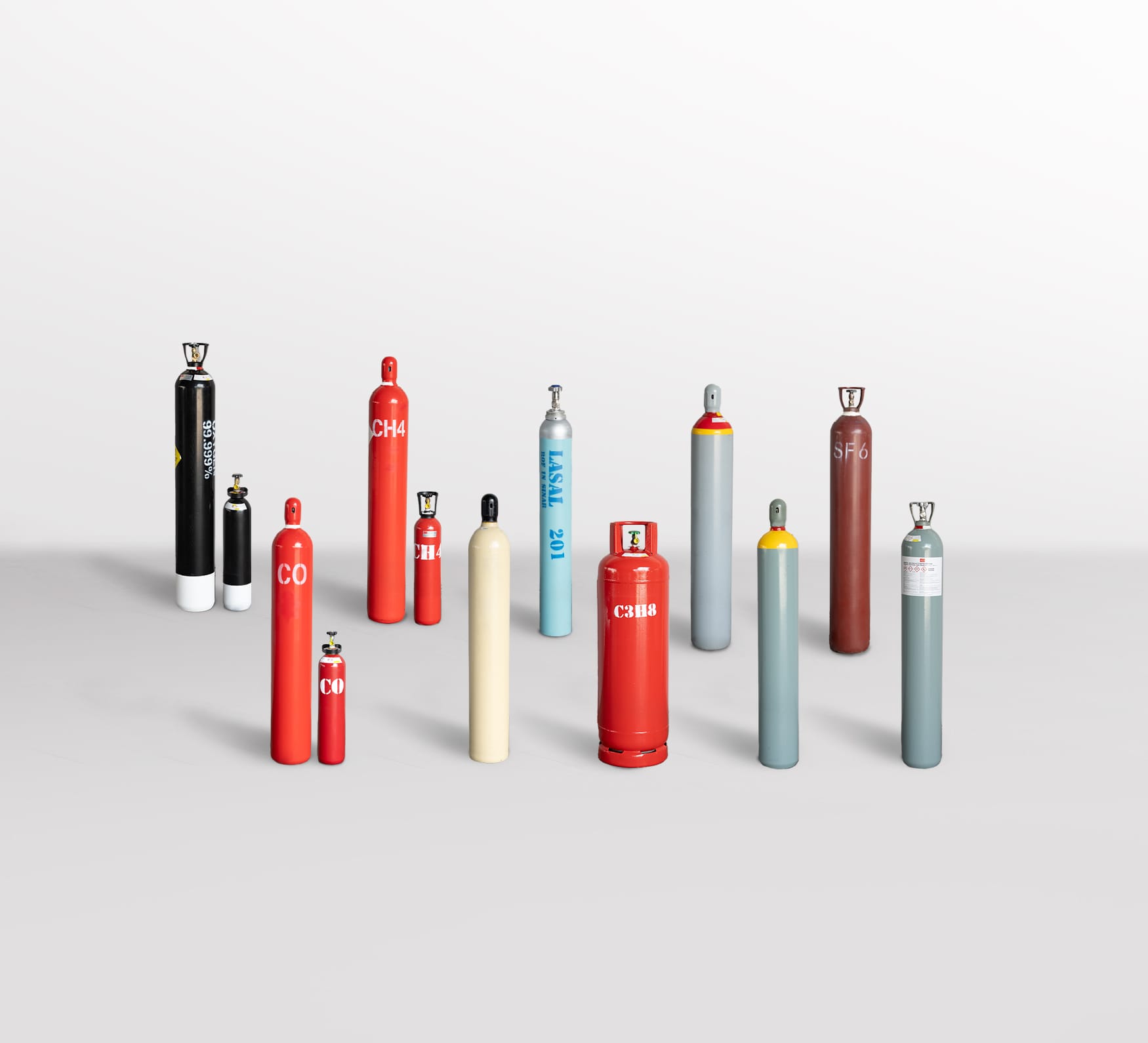
Specify helium gas purity according to the detector manufacturer and the validated test process. There is no single grade or mixture suitable for every component and leak limit. Confirm whether the method requires pure helium or a defined tracer mixture.
For a mixture, the helium concentration is part of the test specification. Do not substitute a different concentration without reviewing how the procedure and interpretation are affected. A purchasing team should obtain technical approval before accepting an alternative.
AGS lists purified helium. Send your required grade, composition and documentation needs when enquiring about purified helium Malaysia supply. A product listing alone does not confirm that a particular batch or cylinder meets your process requirement.
Request the relevant specification and, where your quality system requires it, a certificate of analysis or conformity. AGS’s purified gases guide gives broader context, while the final acceptance criteria should remain with your responsible engineering team.
Which Equipment Details Matter Before Ordering Gas?
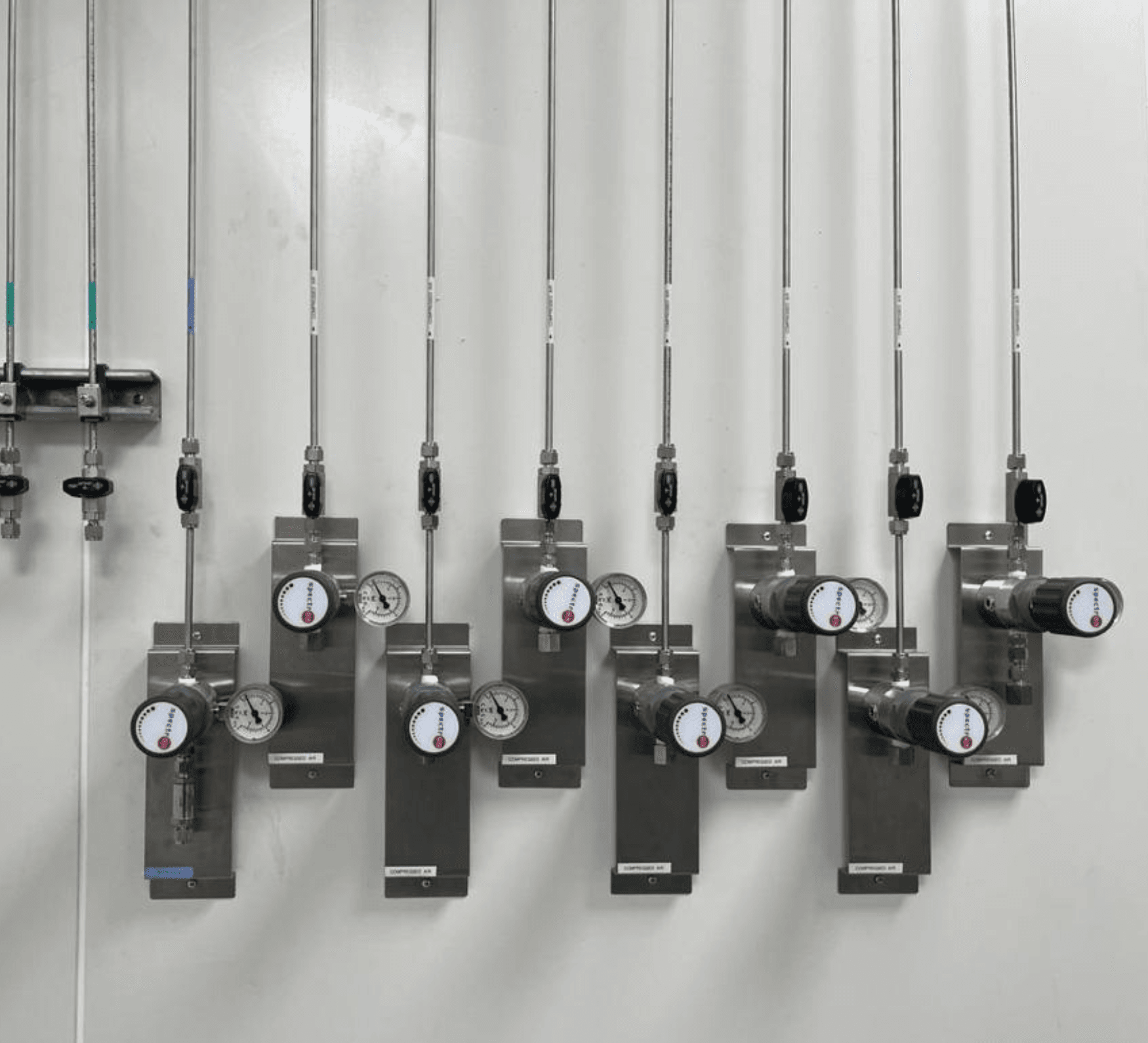
Confirm that the cylinder connection, regulator, tubing and test fixture are compatible with the required gas and operating conditions. A detector purchase does not necessarily include the complete gas delivery arrangement.
- Detector make, model and approved test method.
- Component volume, allowable test pressure and leak acceptance criteria.
- Gas composition, regulator connection and suitable pressure rating.
- Required documentation and checks on the test setup.
- Expected test frequency and gas consumption.
Use the instrument manufacturer’s instructions for verification and calibration. A reference leak used to check detector performance is different from the cylinder supplying tracer gas. Ask the equipment provider which reference standards and checks are needed for your method.
How Can Teams Avoid Unreliable Test Results?
Control the test conditions and record them consistently. Different methods, pressures, exposure times or acceptance limits can make results difficult to compare. Set the procedure before production testing and train operators to follow it.
Keep the test area organised and manage tracer gas releases in line with the equipment guidance. Investigate unexpected readings with the responsible test engineer rather than immediately increasing gas pressure or changing the gas grade.
Document the part identity, method, detector checks, gas specification and result. For purchasing, these records also help distinguish a supply issue from a fixture, instrument or process issue. A gas certificate supports traceability but does not by itself validate the complete leak test.
How Should Malaysian Businesses Plan Helium Supply?
Plan helium tracer gas Malaysia purchases around the actual test schedule. Estimate usage from trial data, test frequency and the approved delivery arrangement, then include a suitable replacement lead time. A short trial and a production line need different stock plans.
When comparing a helium gas supplier Malaysia quotation, check cylinder size, usable quantity, rental or return terms where applicable, documentation and delivery coverage. Include your actual address in Penang, Kedah, Selangor or another Malaysian location and ask the supplier to confirm availability.
For repeated high-volume testing, ask your equipment specialist whether gas recovery or another validated approach is practical. Such options require a separate technical and commercial assessment. Do not assume that changing the tracer concentration preserves the original test performance.
Is Helium Safe to Use for Industrial Testing?
Helium is non-flammable, but it can displace oxygen and create an asphyxiation hazard. CDC laboratory safety guidance covers compressed gas handling and oxygen-displacement hazards. Assess ventilation and potential releases for the actual storage and test area.
Secure cylinders, protect valves and use suitable pressure-rated equipment. Never inhale helium, and keep test pressure within the approved limits for the component and fixture. Personnel should follow the safety data sheet and their site’s work procedures.
Review AGS’s compressed gas cylinder safety guide and laboratory gas safety practices as supporting reading. Gas handling controls and instrument procedures should be considered together before introducing a new testing station.
What Should You Include in an AGS Enquiry?
Send the detector details, application, specified helium grade or mixture, expected quantity, cylinder connection, documentation needs and required delivery date. Include the approved test pressure and any accessory requirements so the enquiry describes the complete supply need.
Browse AGS’s Purified Gases category and contact AGS about helium supply. Confirm gas availability and accessory scope directly; helium supply should not be interpreted as an offer of detector rental, calibration or on-site leak-testing services.
Frequently Asked Questions
Can balloon gas replace specified helium for leak testing?
Do not assume it can. Obtain the required gas composition and purity from your test procedure and ask the supplier to confirm the offered specification.
Is a helium leak detector the same as a general gas monitor?
No. Helium leak-testing equipment detects tracer gas for a defined test. A workplace gas monitor serves a different safety function.
Does every component need helium testing?
No. The product requirement and approved quality procedure determine the appropriate method. Helium testing should address a defined engineering need.
Does AGS carry out helium leak tests?
AGS lists purified helium. Confirm any separate service requirements directly rather than assuming testing services are included with gas supply.
Conclusion
Helium Leak Testing Malaysia planning works best when the test method, gas specification, equipment and supply schedule are considered together. Define the engineering requirement first, then purchase gas that supports the approved procedure.
Send your helium specification to AGS with the application, quantity and delivery location to discuss a suitable supply option.