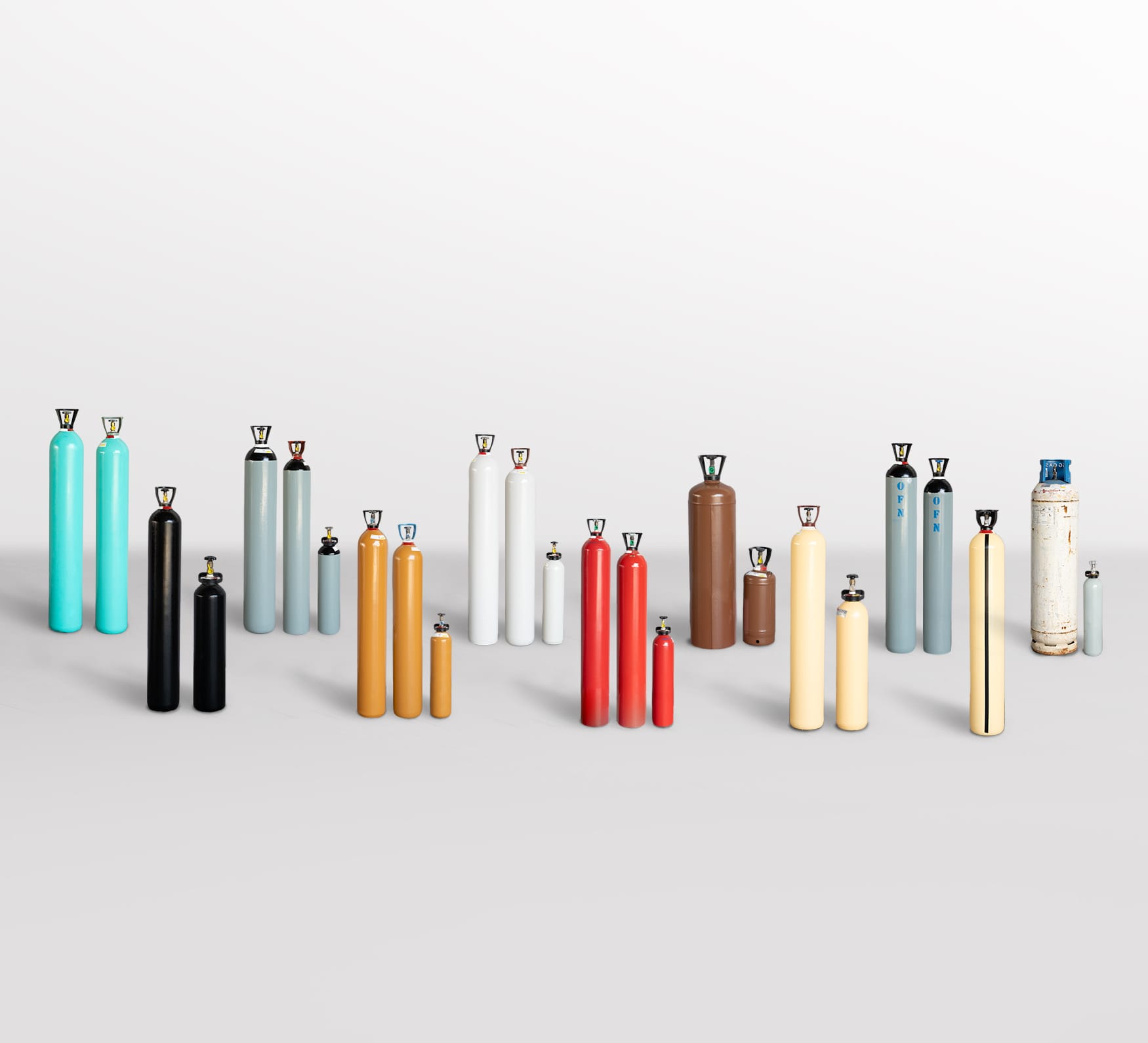
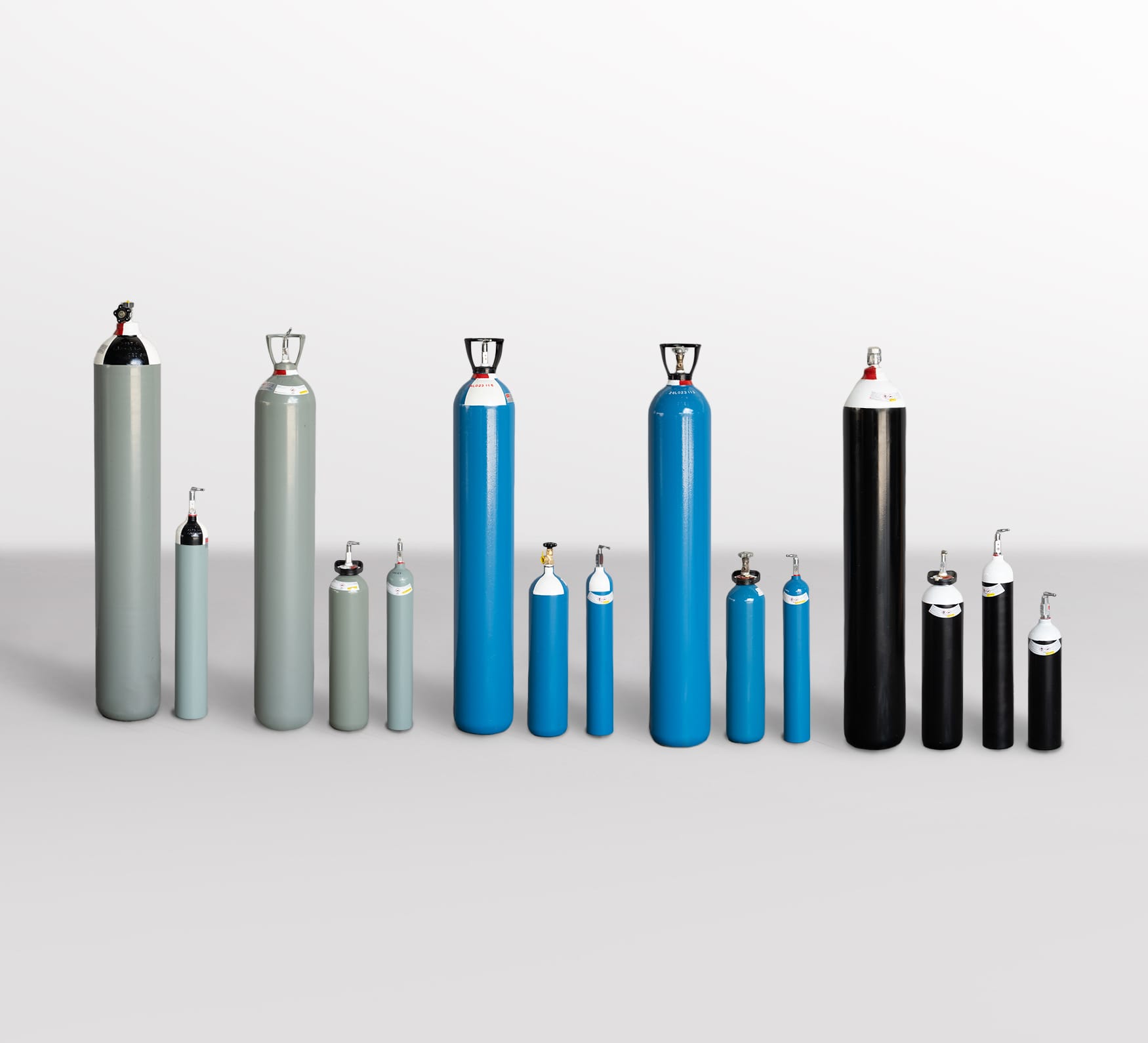
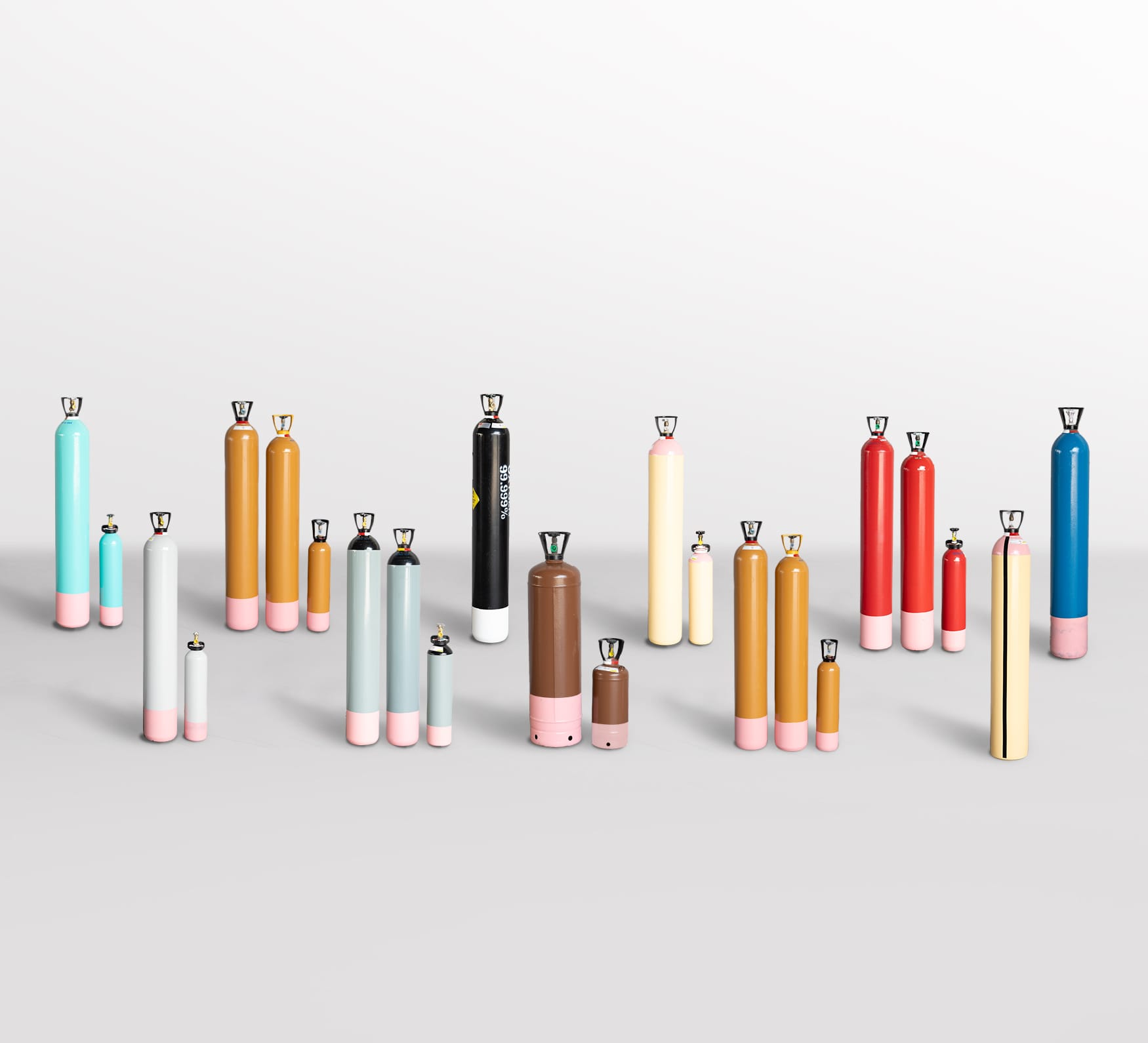

Gas Supply Malaysia is entering a critical transformation phase in 2026. From hospitals requiring uninterrupted medical oxygen to manufacturers relying on industrial nitrogen and argon, demand for reliable, certified, and high-purity gas supply is growing rapidly.
Healthcare expansion, semiconductor growth, food processing modernization, and stricter safety regulations are reshaping how businesses source gas supply in Malaysia.
In this guide, we explore the 9 powerful trends shaping the future of gas supply Malaysia and what buyers must prepare for.
📌 Table of Contents
- Rising Medical Oxygen Demand
- Industrial Nitrogen Expansion
- Semiconductor & Electronics Growth
- Stricter Safety & DOSH Compliance
- Demand for Small-Volume Gas Solutions
- Supply Chain Resilience & Backup Planning
- Growth in On-Site Gas Systems
- Sustainability & Carbon Reduction Goals
- Smart Monitoring & Digital Tracking
1️⃣ Rising Medical Oxygen Demand in Malaysia
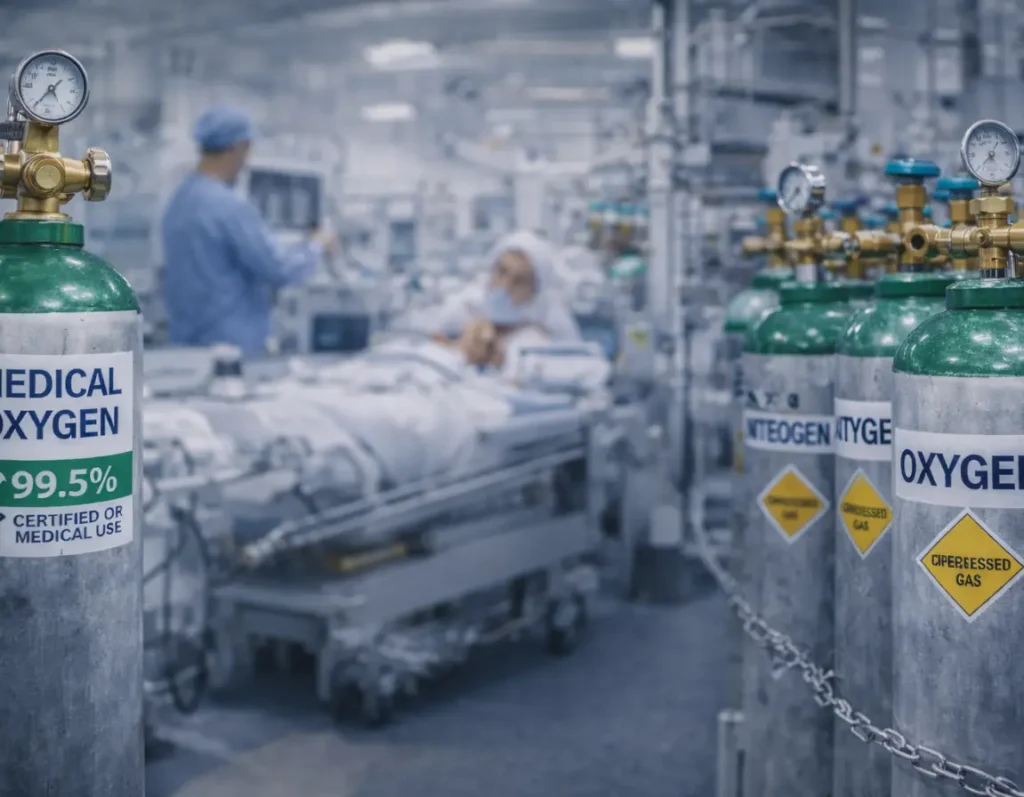
Medical oxygen remains one of the most critical components of gas supply Malaysia. Hospitals, clinics, dialysis centers, and homecare providers require:
- 99.5%+ certified medical oxygen
- Fast emergency delivery
- Compliance with Ministry of Health guidelines
- Backup supply during outages
With aging populations and private healthcare expansion, medical gas demand continues rising year over year.
2️⃣ Industrial Nitrogen Expansion
Industrial nitrogen gas Malaysia is seeing strong growth due to:
- Food packaging & modified atmosphere storage
- Semiconductor manufacturing
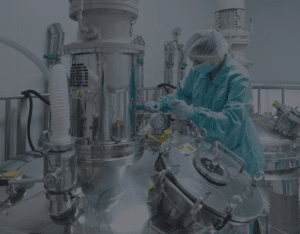
- Pharmaceutical production
- Chemical processing
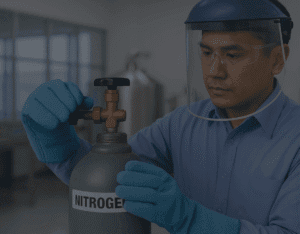
Nitrogen ensures oxidation prevention, product stability, and contamination control.
3️⃣ Semiconductor & Electronics Industry Boom
Malaysia remains a major semiconductor hub in Southeast Asia.
Gas supply Malaysia now supports:
- Cleanroom nitrogen systems
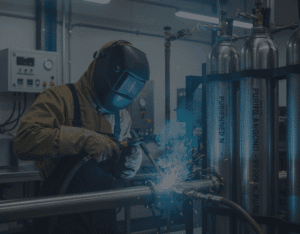
- High-purity argon for manufacturing
- Specialty gases for electronics fabrication
This sector alone is accelerating demand for ultra-high-purity gas solutions.
4️⃣ Stricter Safety & DOSH Compliance
The Department of Occupational Safety and Health (DOSH) continues enforcing stricter:
- Cylinder inspection schedules
- Pressure testing
- Storage standards
- Safety labeling requirements
Businesses must choose certified gas suppliers that follow proper compliance protocols.
5️⃣ Growing Demand for Small-Volume Gas Supply
Urban businesses increasingly require:
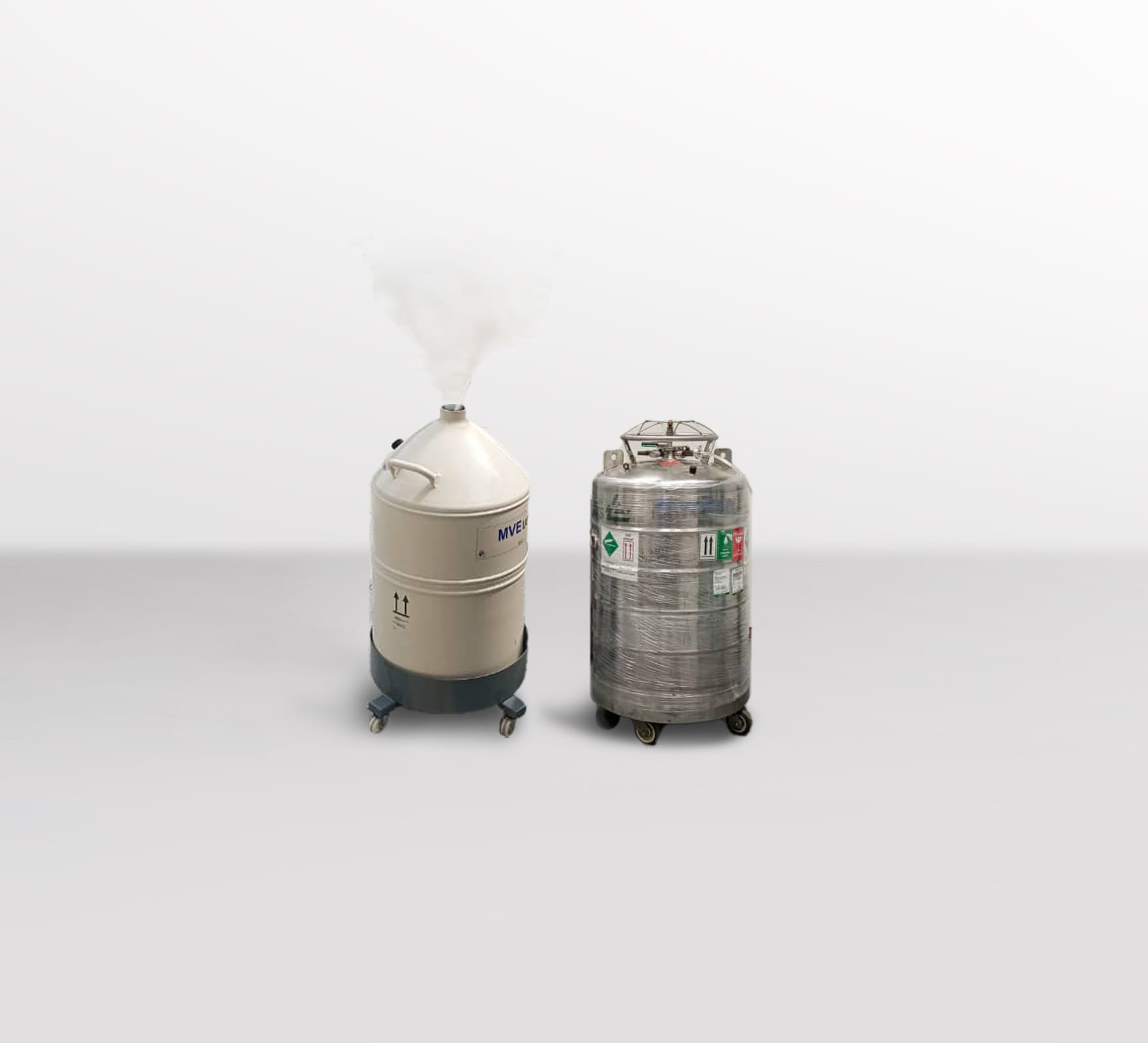
- Small liquid nitrogen dewars
- Portable oxygen cylinders
- Flexible refill services
- Faster delivery turnaround
This trend is especially visible in:
- Research laboratories
- IVF clinics
- Specialty restaurants
- Boutique medical centers
6️⃣ Supply Chain Resilience & Backup Planning
Hospitals and manufacturers now prioritize:
- Dual-supplier partnerships
- On-site reserve tanks
- Emergency delivery contracts
- Predictive inventory planning
Reliable gas supply Malaysia now means more than delivery — it means continuity planning.
7️⃣ Rise of On-Site Gas Systems
Many industrial clients are investing in:
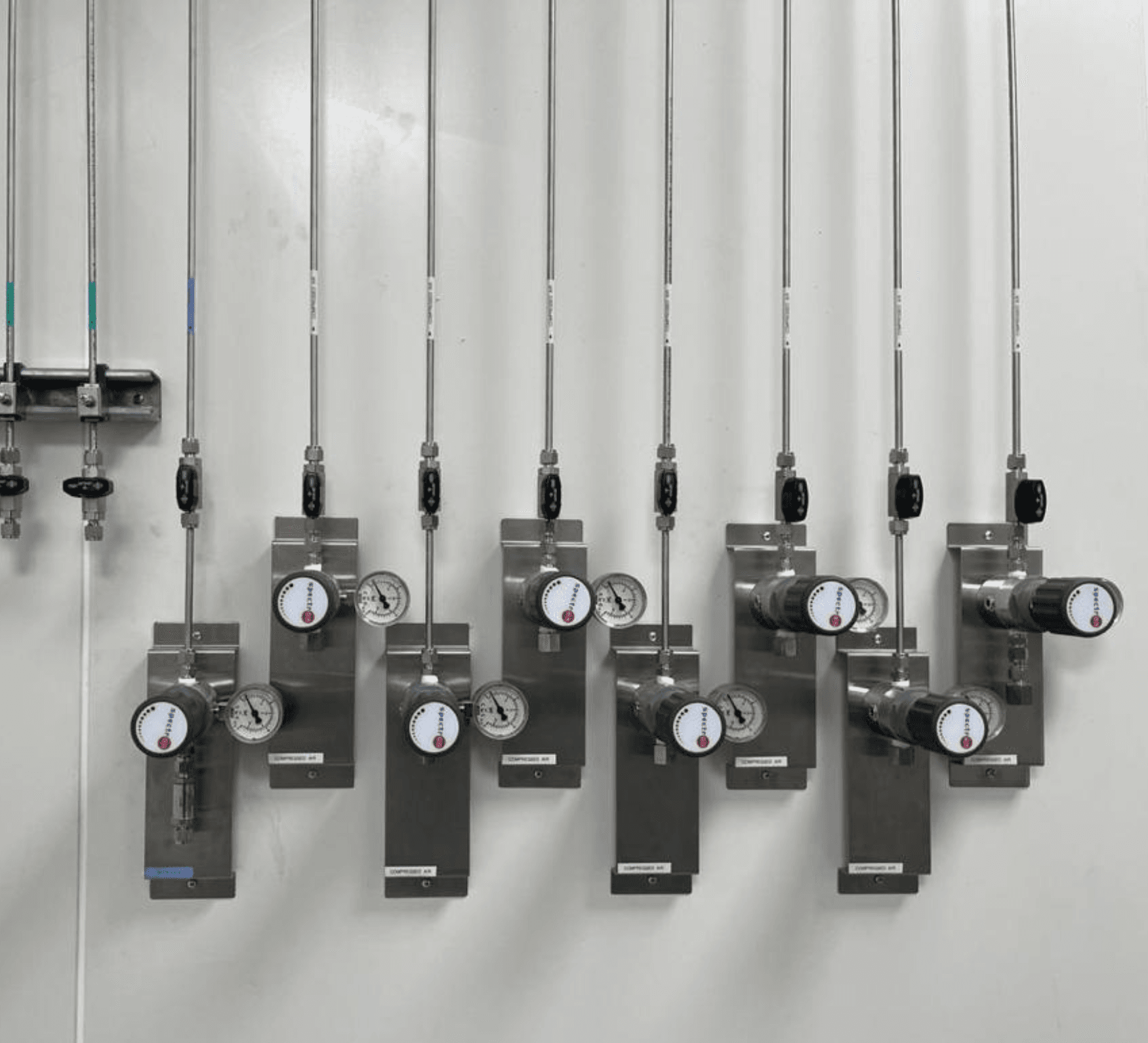
- On-site nitrogen generators
- Bulk tank installations
- Centralized gas distribution systems
This reduces long-term operational costs while improving stability.
8️⃣ Sustainability & Carbon Reduction Goals
Companies are increasingly selecting suppliers that:
- Optimize delivery routes
- Reduce emissions
- Use energy-efficient production
- Promote cylinder recycling programs
Green gas supply Malaysia solutions are becoming a competitive advantage.
9️⃣ Smart Monitoring & Digital Tracking
Modern gas supply Malaysia includes:
- Tank level monitoring systems
- Usage analytics
- Predictive refill alerts
- Digital compliance documentation
This improves safety, efficiency, and cost control.
🚀 Why Choosing the Right Gas Supply Malaysia Partner Matters
Whether your organization operates in healthcare, manufacturing, laboratories, or food production, selecting a trusted gas supply Malaysia provider ensures:
- Certified purity levels
- Regulatory compliance
- On-time delivery
- Emergency readiness
- Long-term operational reliability
The right partner supports not just supply — but business continuity.