

Best Practices for Compressed Gas Cylinder Safety Malaysia
Compressed gas cylinders are widely used across Malaysia’s industrial sectors, including manufacturing, welding, laboratories, healthcare facilities, and food processing plants. These cylinders store gases under extremely high pressure, making proper handling and storage essential for workplace safety.
Following the correct compressed gas cylinder safety Malaysia practices helps prevent accidents, equipment damage, and operational disruptions. Businesses must ensure that employees understand how to store, transport, and use gas cylinders safely.
In this guide, we explore 8 critical safety rules every industrial facility in Malaysia should follow when handling compressed gas cylinders.
Best Practices for Compressed Gas Cylinder Safety Malaysia
Compressed gas cylinders contain gases stored at high pressure, which can pose serious risks if mishandled. Improper storage, damaged valves, or leaks can lead to fire hazards, explosions, or serious injuries.
Maintaining strong compressed gas cylinder safety Malaysia practices helps businesses:
- Protect employees and equipment
- Prevent gas leaks or pressure accidents
- Maintain regulatory compliance
- Ensure reliable gas supply for operations
1. Store Cylinders in Properly Ventilated Areas
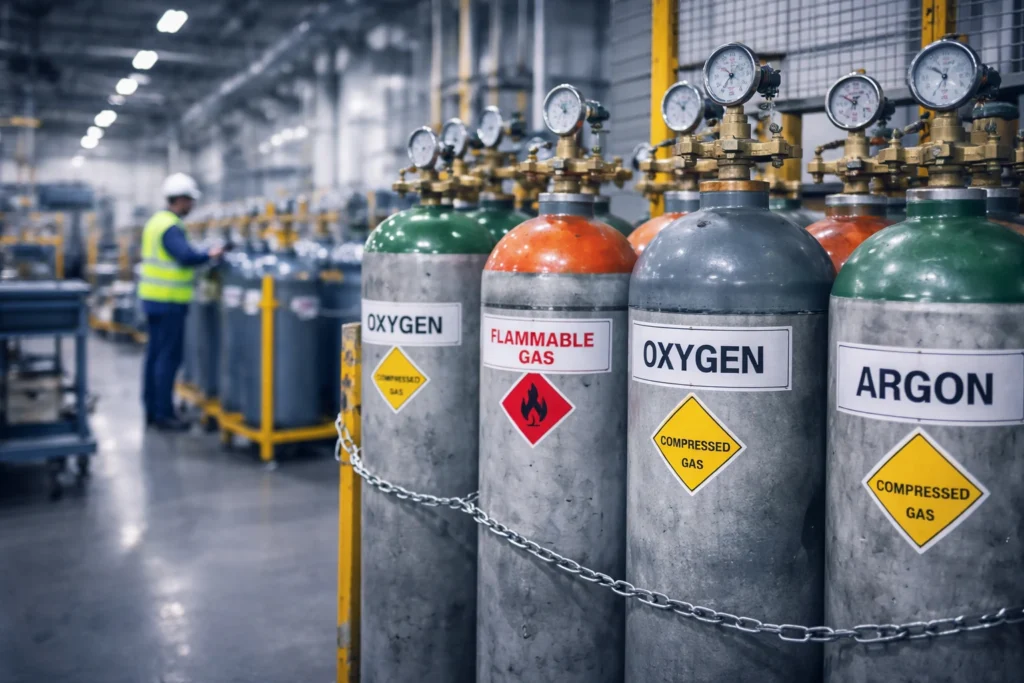
Proper storage is the foundation of compressed gas cylinder safety Malaysia. Cylinders should always be stored in a well-ventilated location away from heat sources or flammable materials.
Key storage guidelines include:
- Keep cylinders upright
- Secure them using chains or racks
- Store away from direct sunlight
Good ventilation reduces the risk of gas buildup.
2. Secure Cylinders to Prevent Falling
Gas cylinders are heavy and can become dangerous if they fall and damage the valve.
Facilities should ensure cylinders are:
- Secured with safety chains
- Placed on stable flooring
- Stored using cylinder racks
These practices help maintain proper compressed gas cylinder safety Malaysia standards.
3. Inspect Cylinders Regularly
Routine inspection helps identify potential safety risks before they become serious problems.
Employees should check cylinders for:
- Valve damage
- Rust or corrosion
- Pressure gauge issues
- Expired inspection markings
Regular checks are an important part of compressed gas cylinder safety Malaysia procedures.
4. Keep Cylinders Away from Heat and Flames
Compressed gases can react dangerously when exposed to heat.
For safe storage:
- Avoid placing cylinders near welding sparks
- Keep them away from open flames
- Maintain safe distance from electrical equipment
Controlling heat exposure helps protect facilities using industrial gases.
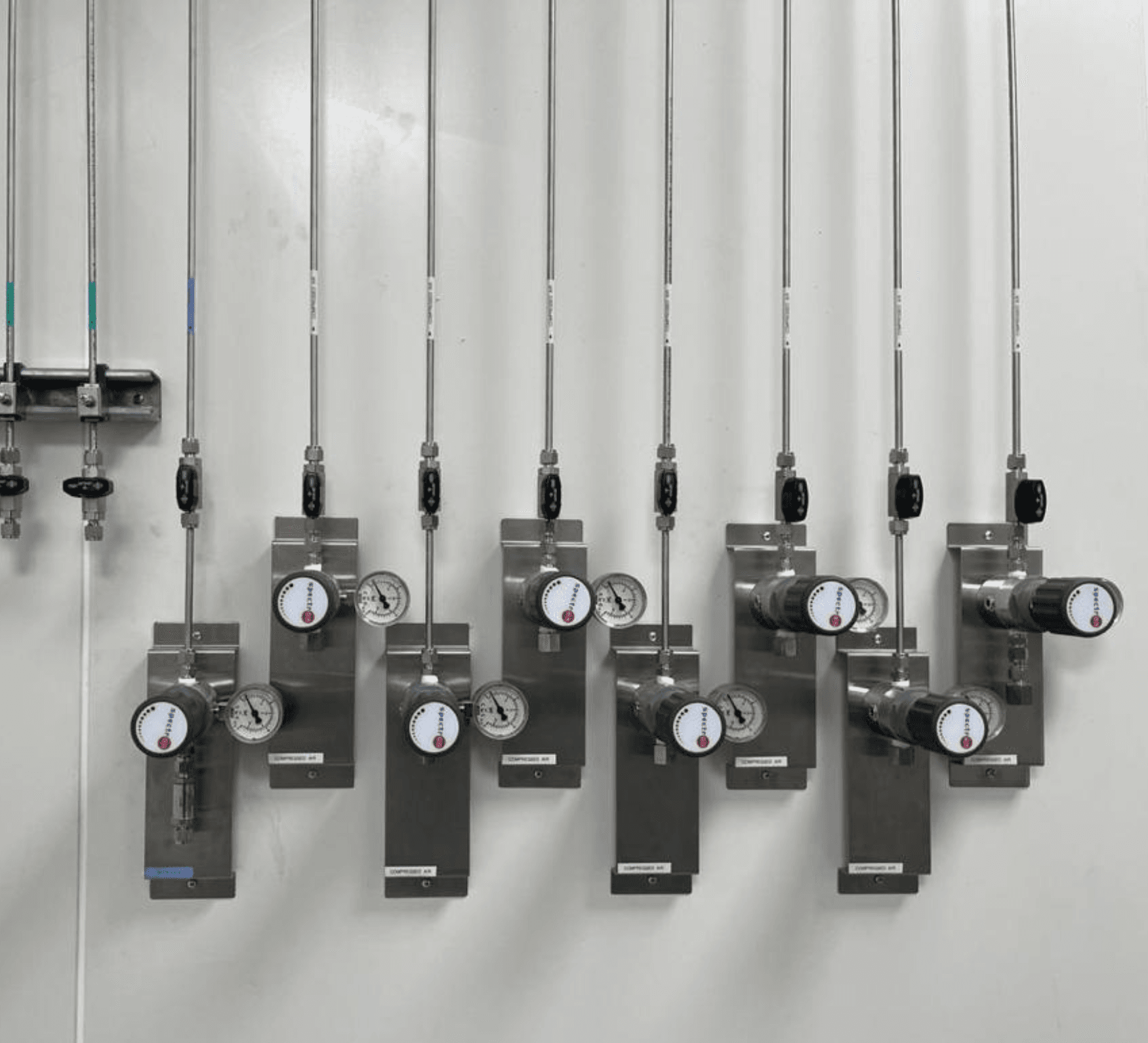
5. Use the Correct Gas Regulators
Each type of gas cylinder requires specific regulators and fittings.
Using incorrect equipment may cause:
- Pressure leaks
- Equipment malfunction
- Safety hazards
Approved regulators are essential for maintaining compressed gas cylinder safety Malaysia compliance.
6. Transport Cylinders with Proper Equipment
Gas cylinders should never be rolled or dragged across the floor.
Safe transportation practices include:
- Use cylinder trolleys
- Install valve protection caps
- Move cylinders carefully
These steps ensure cylinders remain stable during movement.
7. Clearly Label Full and Empty Cylinders
Industrial facilities often store multiple cylinders at once. Clear labeling prevents confusion and helps workers quickly identify cylinder status.
Facilities should separate:
- Full cylinders
- Empty cylinders
- Cylinders awaiting inspection
Proper labeling improves workplace safety and efficiency.
8. Work with a Certified Industrial Gas Supplier
One of the most important aspects of compressed gas cylinder safety Malaysia is choosing a reliable supplier.
Professional gas suppliers provide:
- Properly inspected cylinders
- Certified gas purity levels
- Safe delivery and handling procedures
- Compliance with Malaysian safety standards
Reliable suppliers help businesses maintain consistent gas supply while ensuring safety.
Compressed Gas Safety Regulations in Malaysia
Industrial gas usage in Malaysia must comply with safety standards established by regulatory authorities.
Companies should follow guidelines from the Department of Occupational Safety and Health (DOSH) regarding compressed gas cylinder handling and workplace safety.
These organizations provide important guidance for safe industrial gas handling.
Conclusion
Compressed gas cylinders play an essential role in industrial operations across Malaysia. However, improper handling can create serious safety risks.
By following proper compressed gas cylinder safety Malaysia practices — including correct storage, regular inspections, and safe transportation — businesses can protect employees and maintain reliable gas operations.
Working with certified gas suppliers and following national safety guidelines ensures safe and efficient use of industrial gases across all sectors.