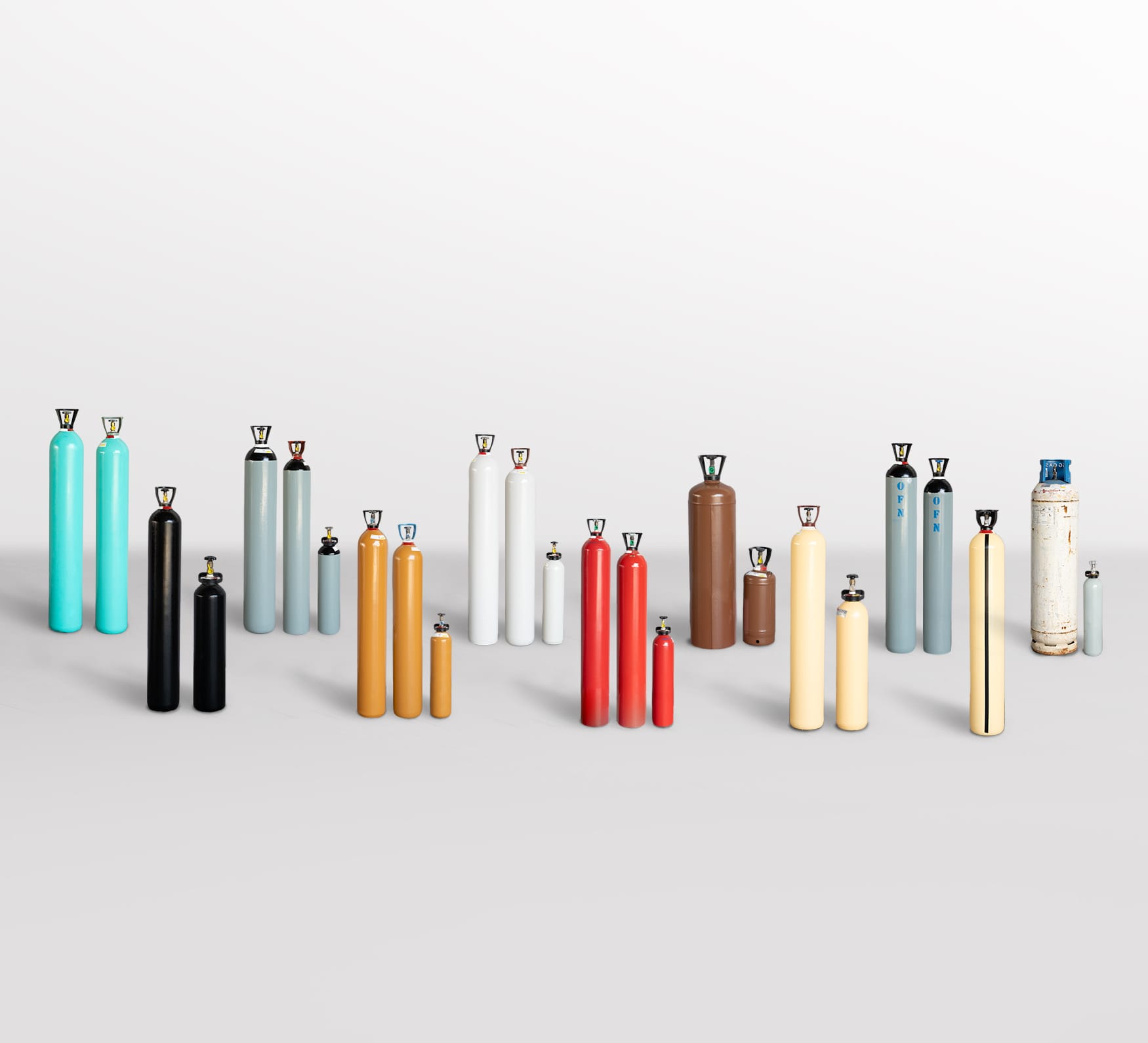
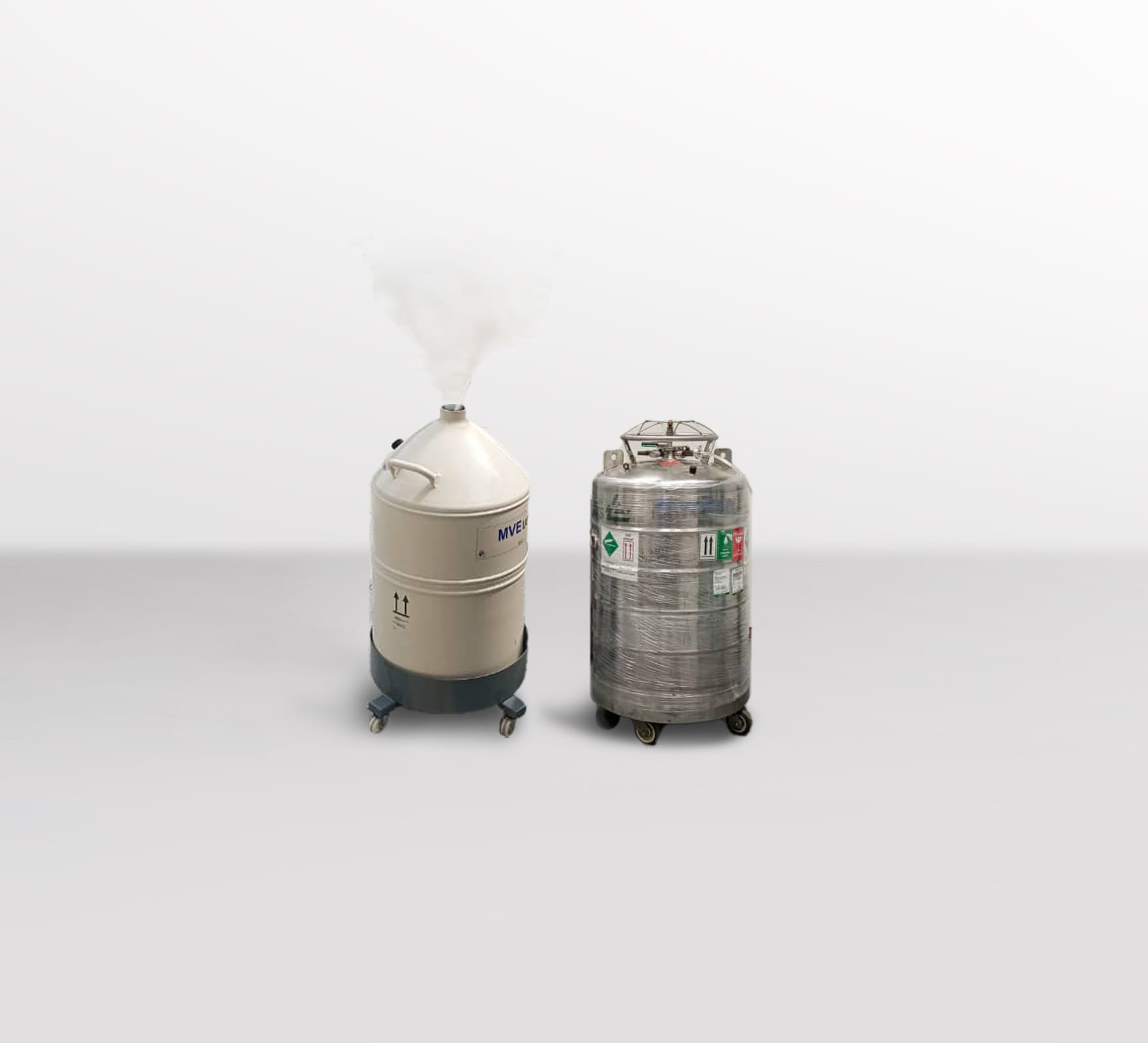
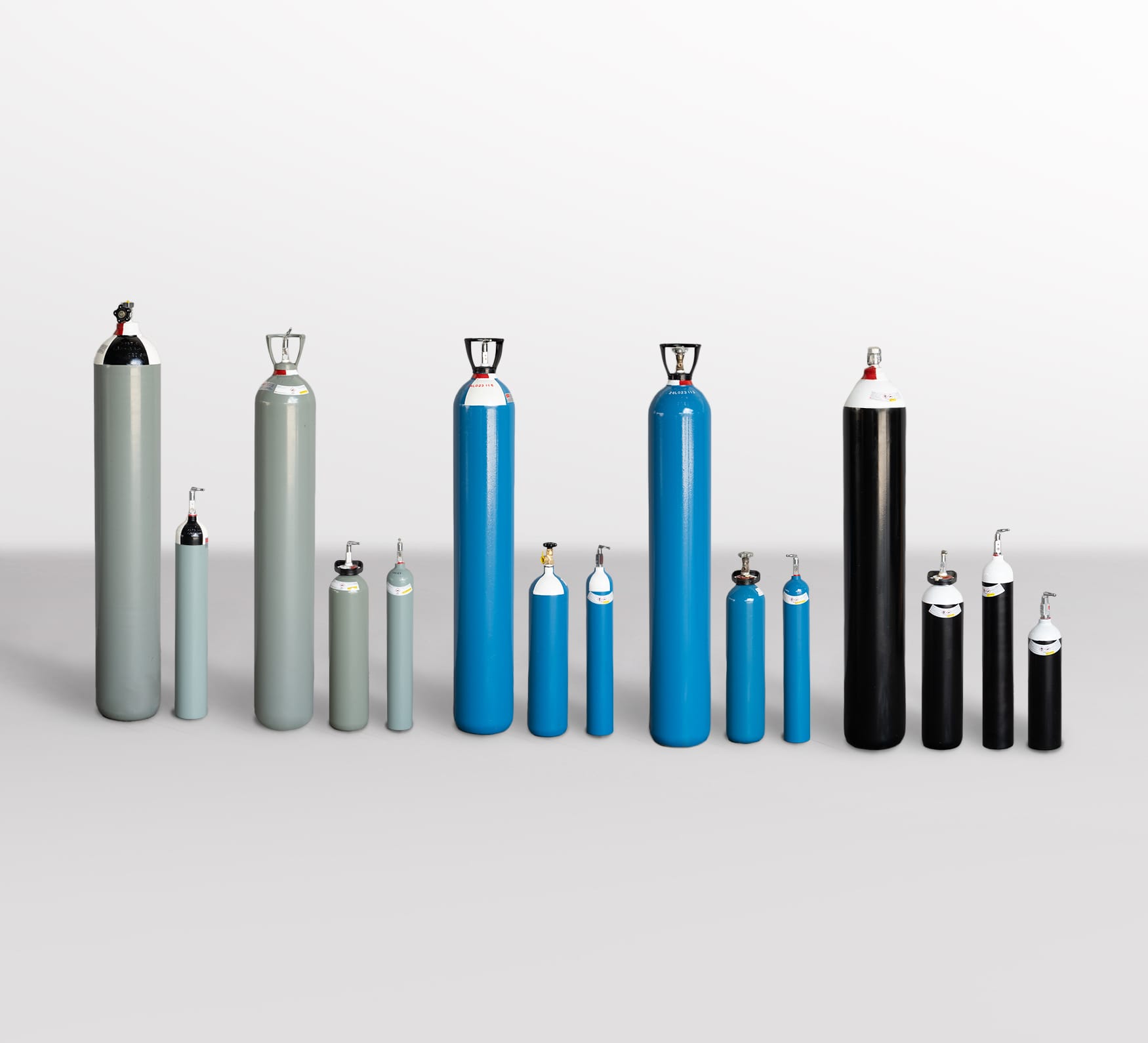
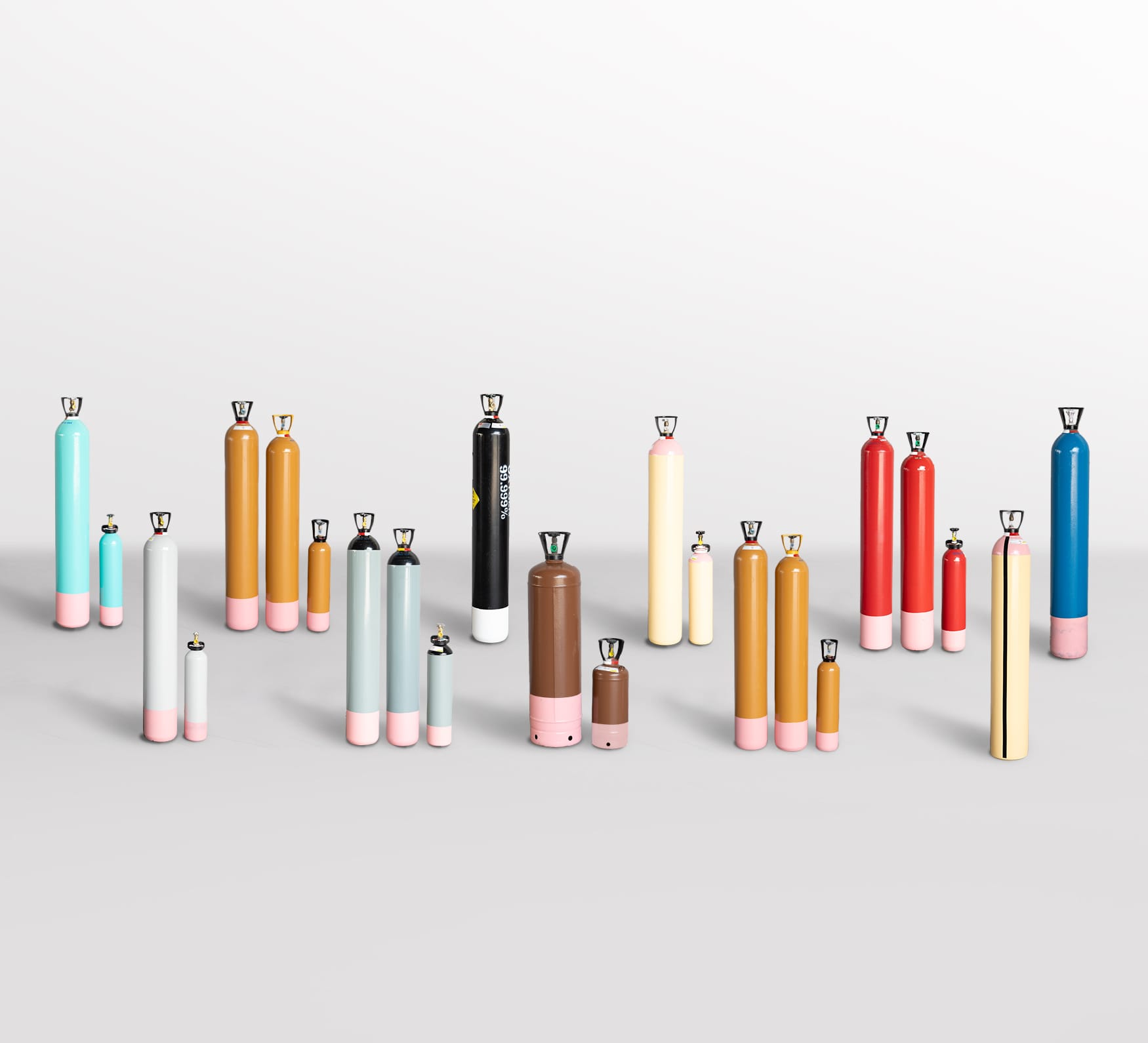


Carbon Capture Malaysia is becoming a more important industrial topic as the country develops carbon capture, utilisation and storage activities to support decarbonisation, industrial competitiveness and new low-carbon growth opportunities.
For businesses, carbon capture is not only a policy discussion. It is connected to practical CO2 gas handling, compression, transportation, utilisation, storage, safety planning and supplier readiness. Industrial users need to understand how carbon dioxide gas can move from an emission stream into a managed resource.
This guide explains what Carbon Capture Malaysia means for industrial users, how CO2 gas supports CCUS, what applications may develop, and how to choose a reliable CO2 gas supplier Malaysia for safe and practical planning.
Table of Contents
- What Is Carbon Capture Malaysia?
- Why CCUS Is Trending in Malaysia
- The Role of CO2 Gas in Carbon Capture
- Applications for Industrial Users
- Safety and Quality Considerations
- How to Choose a CO2 Gas Supplier Malaysia
- FAQ
What is Carbon Capture Malaysia?
Carbon Capture Malaysia refers to the growing local ecosystem around capturing carbon dioxide emissions from industrial sources, then utilising, transporting or storing that CO2 safely. This can include carbon capture, utilisation and storage, commonly called CCUS.
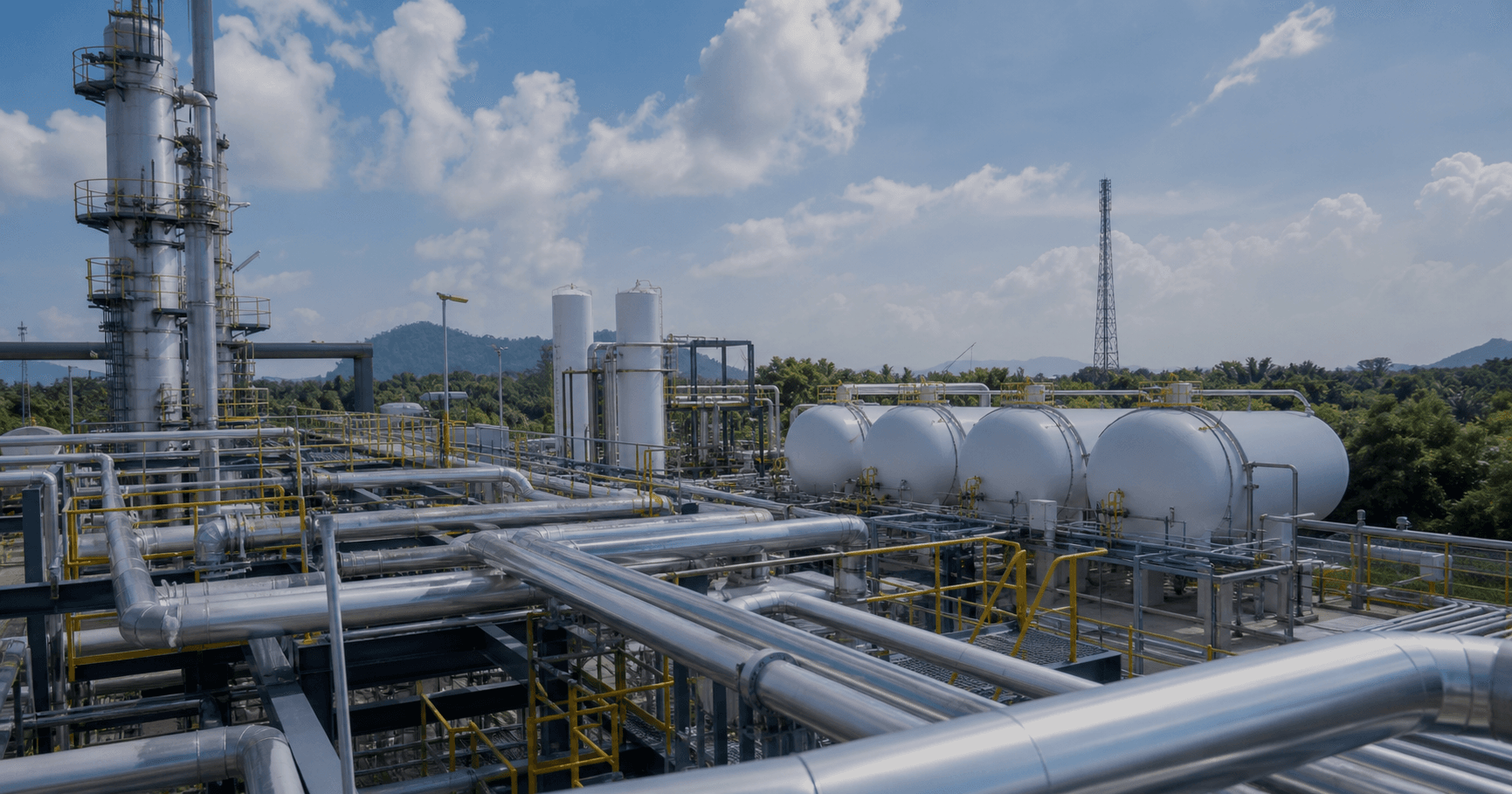
In a CCUS system, carbon dioxide may be captured from power generation, cement, steel, petrochemical, oil and gas, or other hard-to-abate sectors. After capture, the CO2 can be compressed, purified, moved and either used in industrial processes or stored in suitable geological formations.
Malaysia is well positioned for CCUS discussion because of its industrial base, oil and gas infrastructure, potential storage resources and policy direction. For gas users, this creates new interest in CO2 quality, supply chain handling and safe industrial use.
Why CCUS is Trending in Malaysia
CCUS is trending in Malaysia because the country is developing a stronger carbon management framework. Government-led CCUS activity has increased, and Malaysia is positioning CCUS as a potential source of new economic growth as well as a decarbonisation tool.
Recent public resources from Malaysia’s CCUS platform highlight carbon capture, transportation, utilisation and storage as key components of the country’s low-carbon transition. This creates interest among industrial operators, contractors, technology providers and gas supply partners.
For AGS customers, this trend matters because CCUS depends on practical gas knowledge. Captured CO2 must still be handled as a real industrial gas, with attention to purity, pressure, storage, equipment compatibility, transport and safety procedures.
The Role of CO2 Gas in Carbon Capture
CO2 is at the centre of carbon capture. Once separated from an industrial emission stream, carbon dioxide must be conditioned and managed so it can be transported, utilised or stored safely. The required specification depends on the end use.
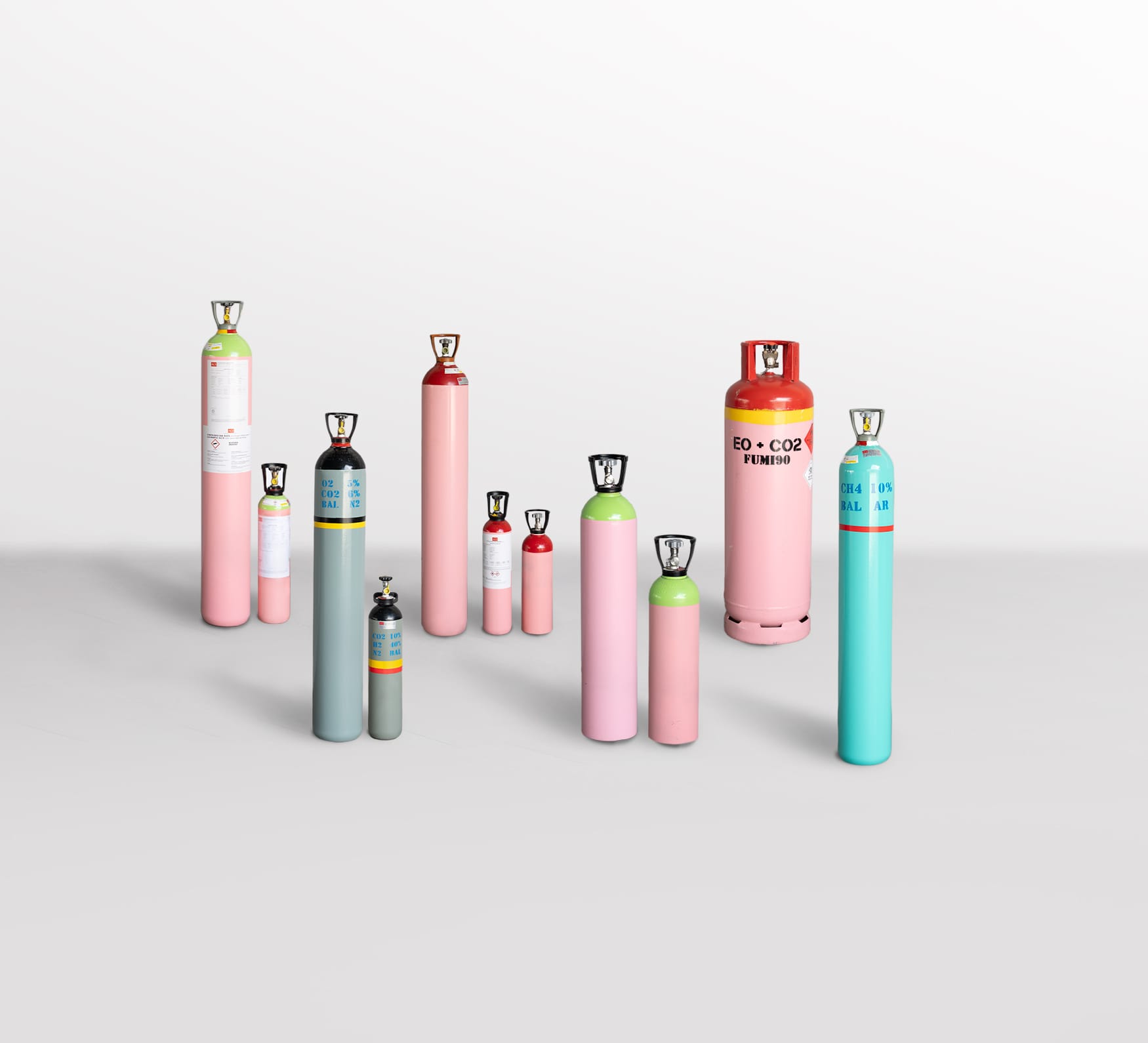
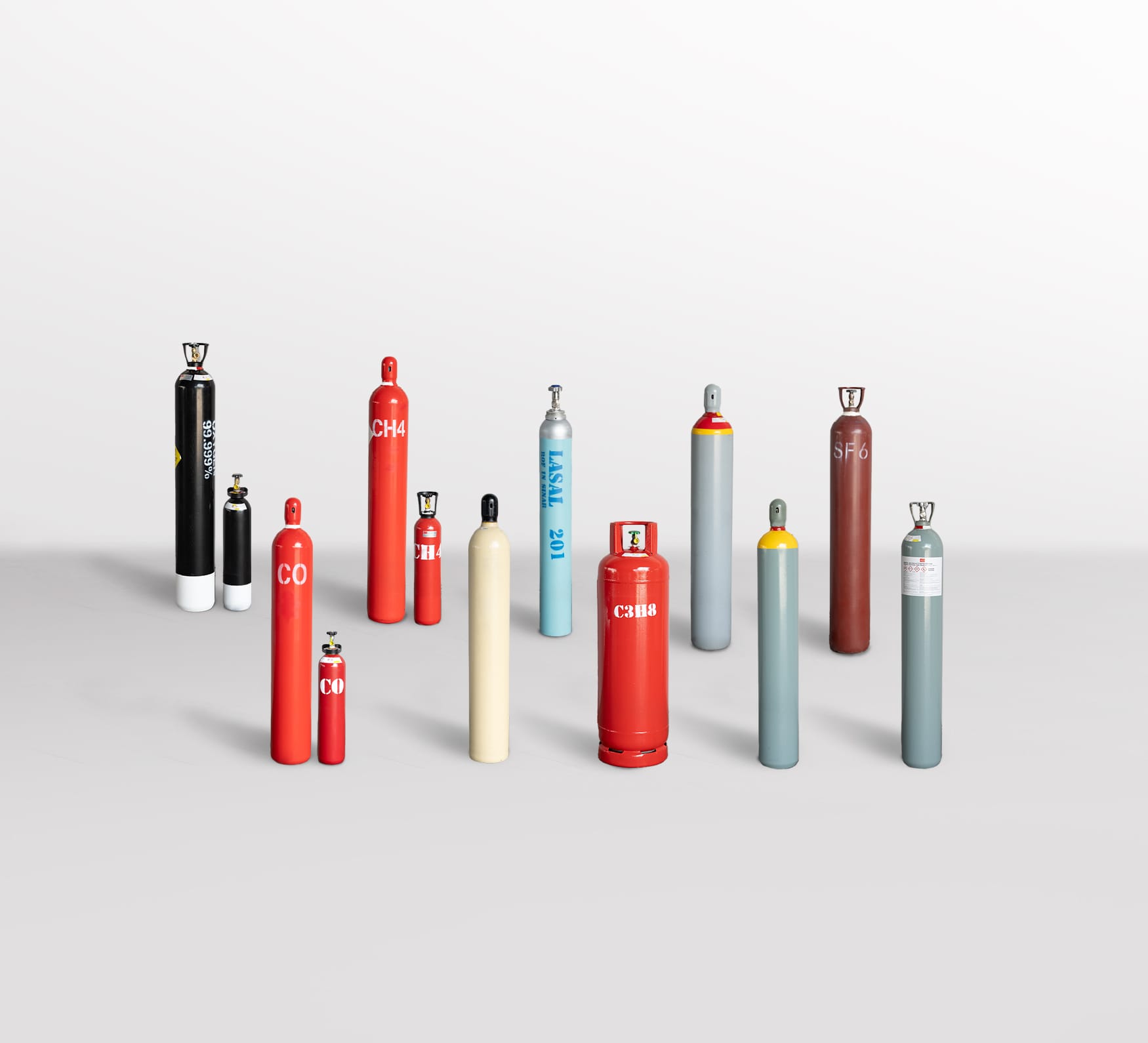
Some applications may need compressed CO2, liquid carbon dioxide, dry ice, purified CO2 or CO2-rich process streams. Others may require monitoring, pressure control, compatible valves, gas detection and suitable storage systems.
- Captured CO2 conditioning and compression
- CO2 transportation planning
- CO2 utilisation in selected industrial processes
- Liquid carbon dioxide or dry ice applications
- CO2 gas monitoring, safety and quality control
Although CCUS projects are larger than ordinary cylinder supply, the underlying gas-handling principles remain important. Safe CO2 management requires correct equipment, ventilation, staff awareness and reliable technical support.
Applications for Industrial Users
Carbon capture can support several industrial and commercial applications in Malaysia. Some uses already exist today, while others may grow as CCUS technology and regulations develop.
Industrial CO2 Utilisation
CO2 can be used in food and beverage, welding support, pH control, water treatment, dry ice cooling, greenhouse enrichment and selected chemical processes. Future CCUS activity may expand interest in CO2 as a feedstock for new value-added products.
Hard-to-Abate Sectors
Cement, steel, petrochemical and energy-intensive industries are often discussed in CCUS because they can be difficult to decarbonise fully through electrification alone. Carbon capture can help manage emissions while industry transitions.
Low-Carbon Fuels and Materials
Captured CO2 may support future applications such as synthetic fuels, CO2-cured construction materials, aggregates and other utilisation pathways. These areas require careful technical evaluation, but they show why CO2 may become part of new industrial value chains.
Safety and Quality Considerations
Carbon dioxide is non-flammable, but it can be hazardous because it can displace oxygen and create asphyxiation risks in poorly ventilated spaces. It can also be stored under pressure or in very cold liquid or dry ice form.
Businesses working with CO2 should review storage conditions, ventilation, pressure ratings, regulator compatibility, leak checks, gas detection, emergency procedures and staff training. These practices are important whether the application is ordinary CO2 supply or future CCUS-related work.
- Store CO2 cylinders and vessels securely
- Ensure suitable ventilation in storage and use areas
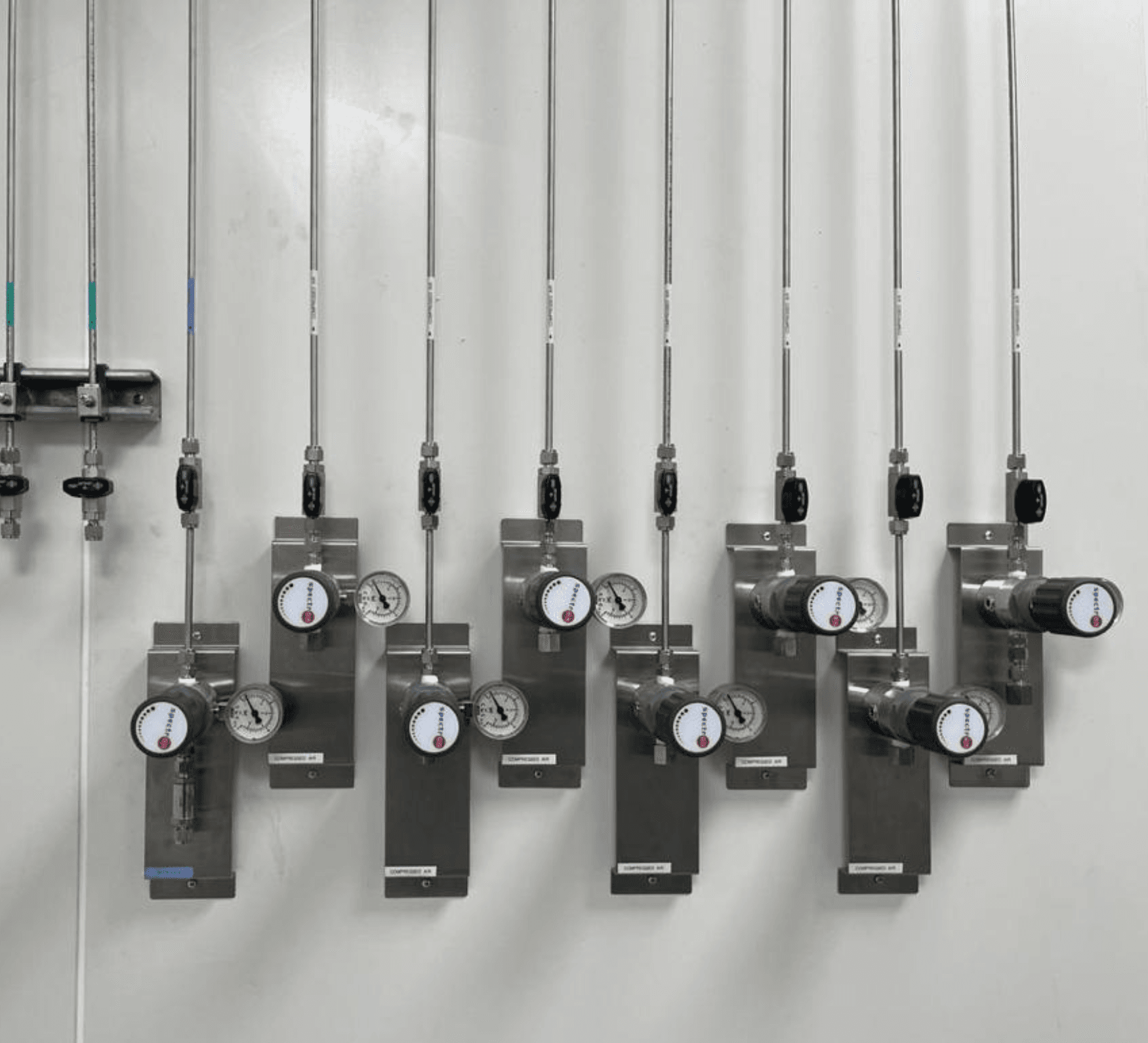
- Use compatible regulators, hoses, valves and fittings
- Train staff on leak checks and emergency response
- Review safety data sheets before use
- Confirm the required CO2 grade for each application
Quality is also important. Food, beverage, laboratory, industrial and CCUS-related applications may each require different CO2 specifications. Buyers should confirm the required gas grade before ordering.
How to Choose a CO2 Gas Supplier Malaysia
Choosing a CO2 gas supplier Malaysia should involve reliability, safety support and application understanding. The right supplier can help customers choose the correct CO2 format, storage approach, accessories and delivery schedule.
A reliable supplier should understand carbon dioxide gas Malaysia requirements for industrial, food, purified, liquid and technical applications. For businesses exploring carbon capture, the supplier should also be able to discuss future usage growth and safe gas handling.
- Suitable CO2 gas grades and supply options
- Reliable delivery for industrial users
- Support for liquid carbon dioxide or dry ice needs
- Gas accessories such as regulators, valves and hoses
- Safety guidance for CO2 storage and handling
- Technical consultation for changing usage volumes
Before ordering, businesses should confirm the application, required purity, expected volume, storage limitations, delivery frequency, equipment connection and documentation requirements.
AGS supports Malaysian businesses with industrial gases, purified gases, liquefied gases, accessories and technical consultation. This makes AGS a practical partner for companies reviewing CO2 gas supply and future carbon capture-related opportunities.
Explore AGS resources:
Carbon Dioxide Gas Malaysia Guide
Industrial Gases Malaysia Guide
External Reference
Malaysia’s official CCUS information platform explains carbon capture, transportation, utilisation and storage as part of the country’s low-carbon industrial direction.
MyCCUS: Carbon Capture and Storage Solutions in Malaysia
FAQ
What is Carbon Capture Malaysia?
Carbon Capture Malaysia refers to local carbon capture, utilisation and storage activities that capture CO2 emissions and manage them for utilisation, transport or storage.
How is CO2 gas used in carbon capture?
CO2 gas is captured from emission streams, then conditioned, compressed, transported, utilised or stored depending on the project and application.
Is carbon dioxide gas dangerous?
CO2 is non-flammable, but it can displace oxygen and create asphyxiation risks. Proper ventilation, storage and gas handling procedures are important.
What industries may use carbon capture in Malaysia?
Potential users include oil and gas, petrochemical, cement, steel, power generation and other hard-to-abate industrial sectors.
How do I choose a CO2 gas supplier Malaysia?
Choose a supplier that offers suitable CO2 grades, reliable delivery, technical support, safety guidance and gas accessories for your application.
Conclusion
Carbon Capture Malaysia is a timely topic for industrial users because CCUS connects decarbonisation policy with practical CO2 gas handling. Captured carbon dioxide must be managed safely, specified correctly and supported by reliable supply and technical knowledge.
For Malaysian businesses, understanding CO2 gas uses, safety, quality and supplier planning can help prepare for current industrial applications and future carbon capture opportunities. AGS can support customers with CO2 gas supply, accessories and practical consultation.