
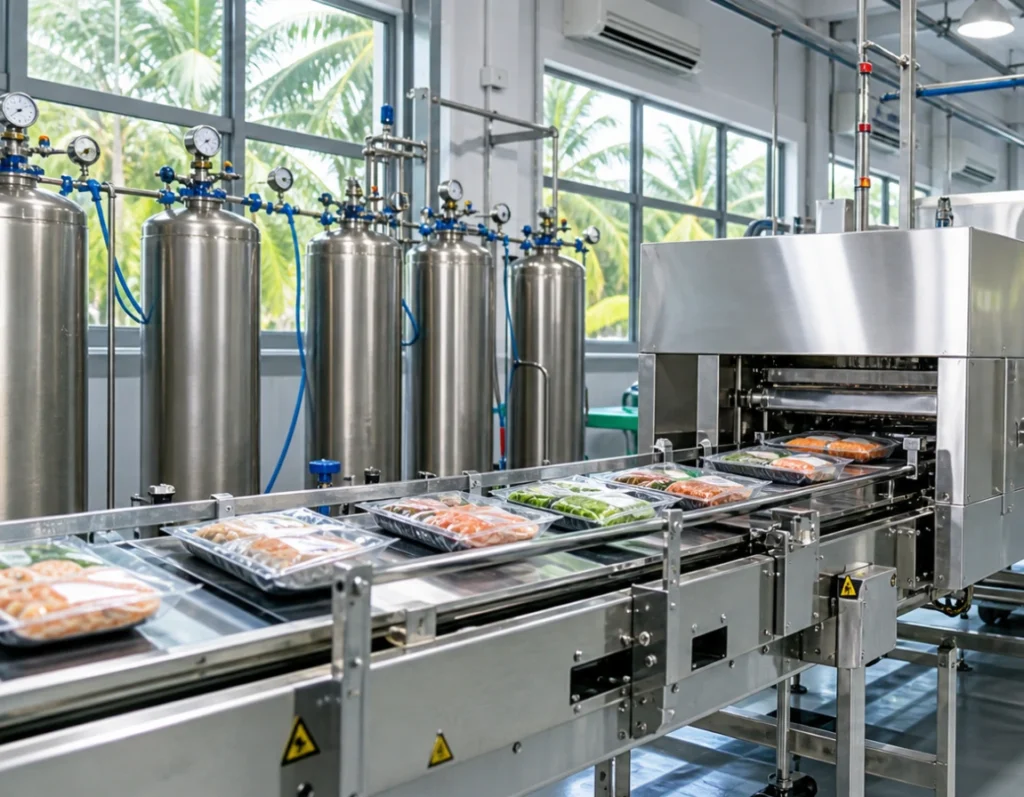
Industrial gases food manufacturing Malaysia is an important topic for food producers, packaging companies, cold chain operators, and processors that need safe, consistent, and efficient production. In modern food manufacturing, gases are not just utilities. They support freshness, shelf life, product texture, hygiene, freezing, carbonation, and packaging performance.
From nitrogen gas food packaging Malaysia to carbon dioxide food processing Malaysia, the right gas can help manufacturers protect product quality while improving production efficiency. For businesses supplying supermarkets, restaurants, exporters, and distributors, these benefits can directly affect customer satisfaction and commercial competitiveness.
This guide explains the key food industry gas applications in Malaysia, the most common gases used, practical benefits for manufacturers, and how to choose an industrial gas supplier Malaysia that understands food production requirements.
Table of Contents
- What Are Industrial Gases Used in Food Manufacturing?
- Common Industrial Gases Used in the Food Industry
- Applications in Food Manufacturing Malaysia
- Benefits of Industrial Gases in Food Processing
- Food Safety and Quality Considerations
- How to Choose a Reliable Industrial Gas Supplier in Malaysia
- FAQ
What Are Industrial Gases Used in Food Manufacturing?
Industrial gases used in food manufacturing are gases supplied for processing, packaging, preservation, cooling, freezing, carbonation, quality control, and production support. In Malaysia, food manufacturers may use gases in bakeries, beverage plants, seafood processing facilities, meat production, ready-to-eat meal operations, snack factories, and cold chain environments.
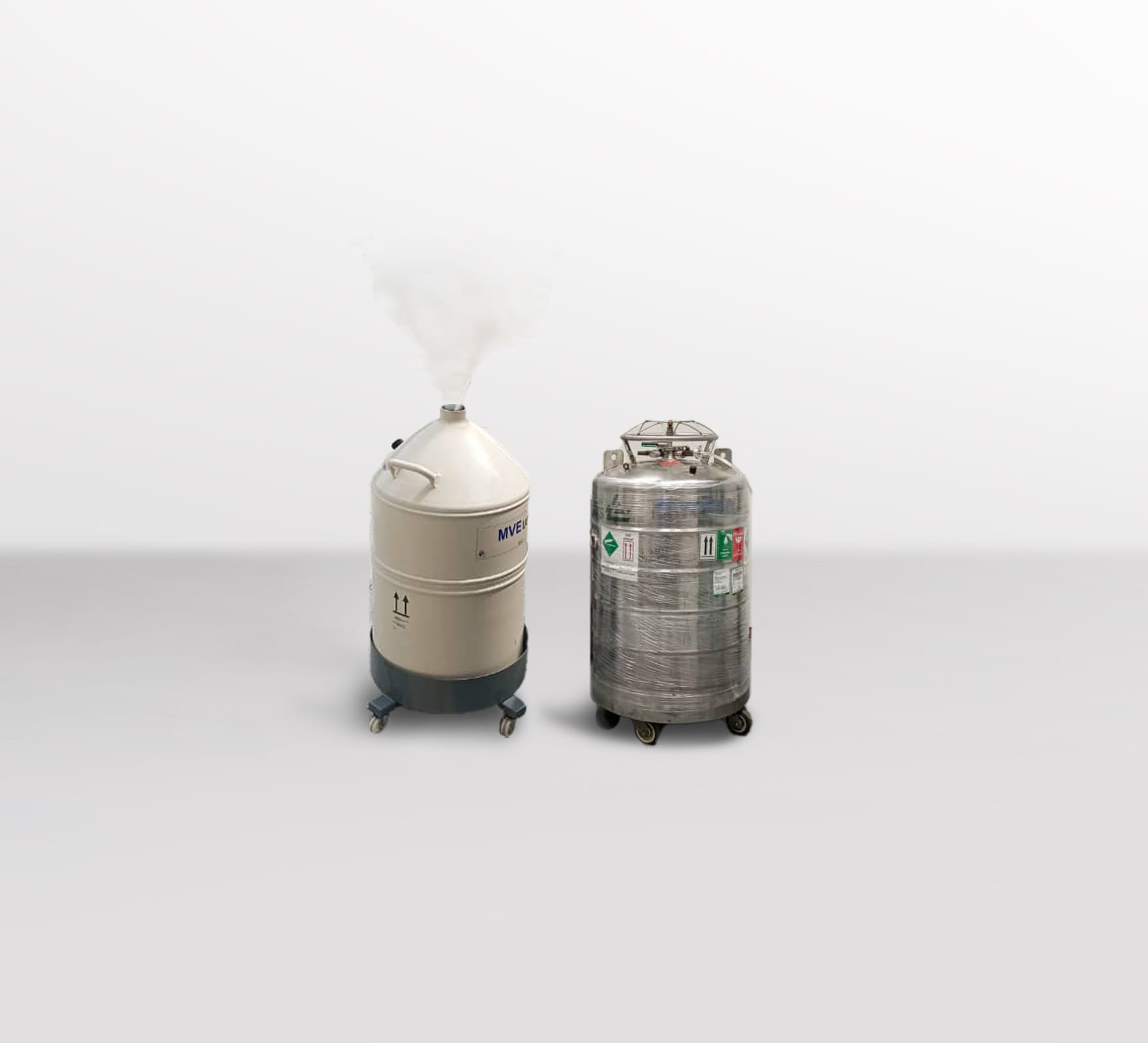
The term food grade gases Malaysia usually refers to gases supplied for applications where food contact, hygiene, and quality requirements are important. Depending on the process, food manufacturers may require nitrogen, carbon dioxide, oxygen, mixed gases, or cryogenic gases such as liquid nitrogen and liquid carbon dioxide.
Unlike general industrial use, food applications require close attention to purity, supply consistency, handling procedures, equipment compatibility, and documentation. Even when a gas does not become an ingredient in the final product, it may influence shelf life, packaging appearance, microbial control, temperature management, or production speed.
For this reason, Malaysian food producers should treat gas selection as part of their production planning. The correct gas supply setup can reduce waste, support product consistency, and help teams meet customer expectations for freshness and quality.
Common Industrial Gases Used in the Food Industry
Different food manufacturing processes require different gas properties. Nitrogen, carbon dioxide, and oxygen are among the most common gases used in food production and packaging.
Nitrogen
Nitrogen is widely used in food packaging because it is inert and helps displace oxygen from packaging environments. Nitrogen gas food packaging Malaysia is common in snack foods, coffee, nuts, powdered products, dry ingredients, and modified atmosphere packaging applications.
- Helps reduce oxidation in packaged food
- Supports modified atmosphere packaging
- Protects delicate products from package collapse
- Can help maintain aroma, color, and texture
In many packaging lines, nitrogen flushing helps create a more stable internal package atmosphere. This can reduce rancidity, protect flavor, and improve the commercial presentation of packaged products.
Carbon Dioxide
Carbon dioxide is another major gas in food manufacturing. Carbon dioxide food processing Malaysia includes beverage carbonation, chilling, freezing, pH control, and modified atmosphere packaging. It is especially relevant for beverage companies, meat processors, bakery operations, and cold chain applications.
- Used for beverage carbonation
- Supports cooling and chilling processes
- Helps slow microbial growth in selected packaging systems
- Useful in dry ice and temperature-control applications
Carbon dioxide can be used alone or as part of a gas mixture, depending on the food product and packaging objective. It is valued because it can support freshness, cooling, and product stability across several food categories.
Oxygen
Oxygen is used more selectively in food manufacturing. While many packaging processes aim to reduce oxygen exposure, some products benefit from controlled oxygen levels. For example, fresh meat packaging may use oxygen to help maintain a bright red appearance, while certain processing applications may require controlled oxygen for product quality.
- Used in selected modified atmosphere packaging systems
- Supports color retention in some fresh food products
- May be used in process control or treatment applications
- Requires careful handling because oxygen supports combustion
The key is control. Oxygen should only be used where it supports the product requirement and where the system is designed for safe handling.
Applications in Food Manufacturing Malaysia
Food industry gas applications cover a wide range of production and packaging needs. In Malaysia, industrial gases are commonly used by manufacturers that need longer shelf life, better product appearance, faster cooling, or more reliable packaging quality.
Modified Atmosphere Packaging
Modified atmosphere packaging, often called MAP, uses gases such as nitrogen, carbon dioxide, oxygen, or blends to adjust the atmosphere inside a food package. This can help slow spoilage, reduce oxidation, and preserve product appearance.
MAP is widely used for fresh foods, bakery products, meat, seafood, cheese, ready meals, coffee, and snacks. The right gas mixture depends on the food type, moisture content, fat content, microbial risk, and desired shelf life.
Freezing and Chilling
Cryogenic gases and carbon dioxide applications can support rapid cooling and freezing. Fast temperature reduction can help protect texture, reduce ice crystal formation, and improve throughput for high-volume food operations.
This is useful for seafood, meat, frozen meals, bakery items, and products that must maintain shape and quality during cold chain distribution.
Beverage Carbonation
Carbon dioxide is essential in carbonated beverages. Beverage producers rely on consistent CO2 quality and delivery because carbonation affects taste, mouthfeel, product identity, and customer experience.
Blanketing and Oxidation Control
Nitrogen blanketing is used to reduce oxygen exposure in tanks, containers, and packaging. This can be useful for oils, powders, dry ingredients, coffee, and other oxygen-sensitive products.
When applied correctly, gas blanketing can help reduce spoilage, protect aroma, and improve product consistency during storage and handling.
Benefits of Industrial Gases in Food Processing
Industrial gases can provide practical commercial benefits for food manufacturers in Malaysia. These benefits are especially important for companies that need to manage cost, consistency, and quality at the same time.
- Improved shelf life for selected packaged products
- Better product freshness, appearance, and aroma protection
- Support for faster chilling or freezing
- Reduced oxidation in sensitive food products
- More consistent packaging results
- Improved production efficiency and reduced waste
- Better support for export and distribution requirements
For commercial food producers, even small improvements in shelf life can make a meaningful difference. Longer freshness windows may reduce rejected goods, improve retailer confidence, and support wider distribution.
Industrial gases also help manufacturers standardize processes. When gas quality and supply are consistent, production teams can tune equipment more reliably and reduce variation between batches.
From a commercial perspective, working with the right supplier can also improve purchasing efficiency. Reliable delivery, clear documentation, and technical guidance make it easier for food manufacturers to plan production schedules and avoid urgent supply disruptions.
Food Safety and Quality Considerations
Food safety and quality should always guide gas selection. Manufacturers should confirm whether the gas is suitable for the intended food application and whether the supply method matches their production environment.
Important considerations include gas grade, purity, certificate availability, cylinder hygiene, storage conditions, regulator compatibility, pipeline condition, and staff training. For packaging applications, manufacturers should also validate gas mixtures, residual oxygen levels, sealing performance, and shelf-life outcomes.
- Use the correct gas grade for food-related applications
- Store cylinders securely in clean and ventilated areas
- Use compatible regulators, valves, hoses, and fittings
- Train staff on safe cylinder handling and leak checks
- Keep gas systems clean and inspect them regularly
- Document supply, usage, and quality checks where required
Nitrogen and carbon dioxide can create oxygen-deficient atmospheres in confined spaces, while oxygen can increase combustion risk. This means ventilation, leak detection, and safe operating procedures are important for production areas, storage rooms, and utility spaces.
Food manufacturers should also review gas contact points. Hoses, fittings, and pipelines should be appropriate for the application and maintained to avoid contamination risk. A reliable supplier can help identify practical improvements in gas handling and storage.
How to Choose a Reliable Industrial Gas Supplier in Malaysia
Choosing an industrial gas supplier Malaysia is a commercial decision as much as a purchasing decision. The right supplier can support food manufacturers with stable supply, product guidance, safety advice, and suitable gas packages.
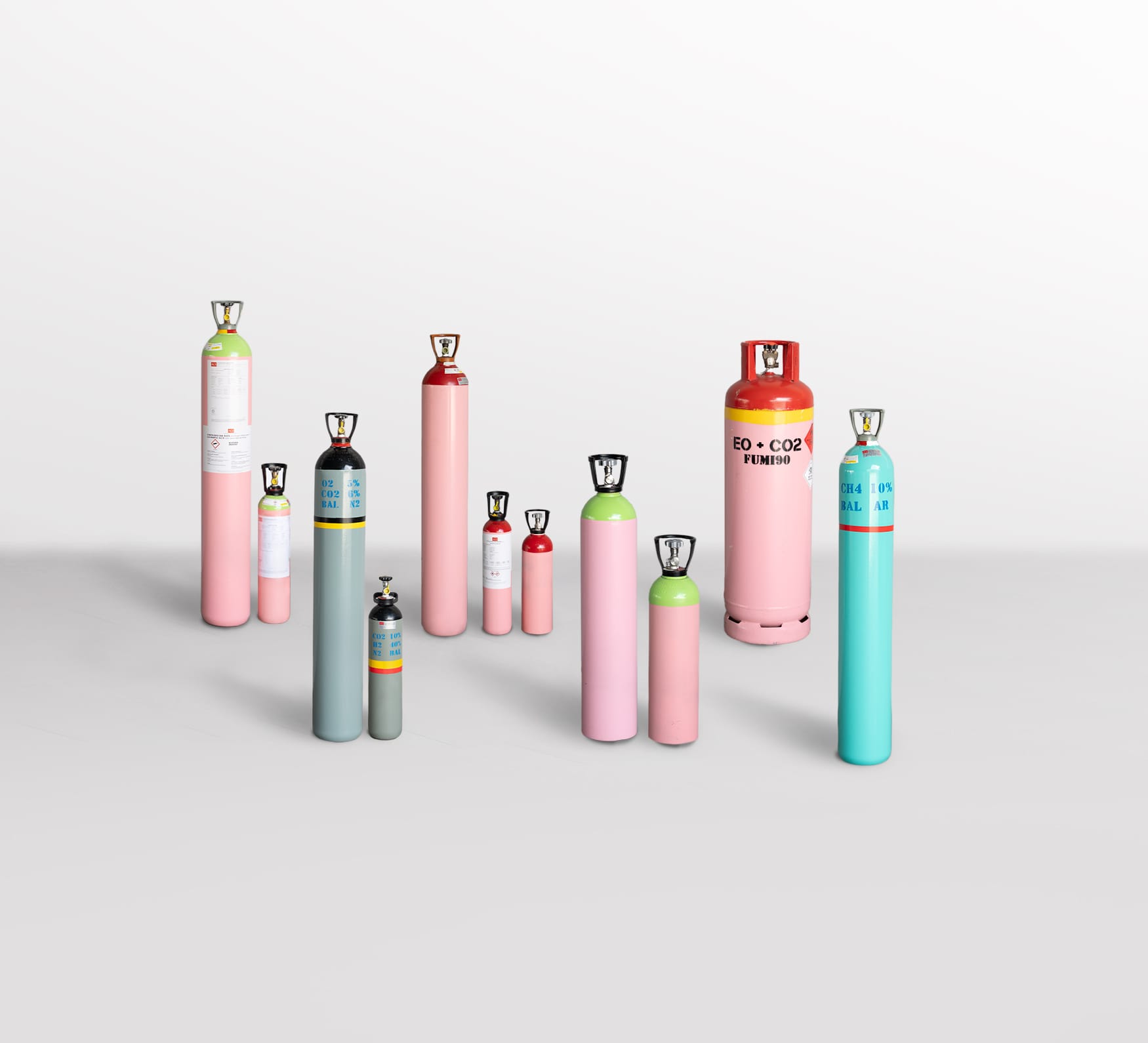
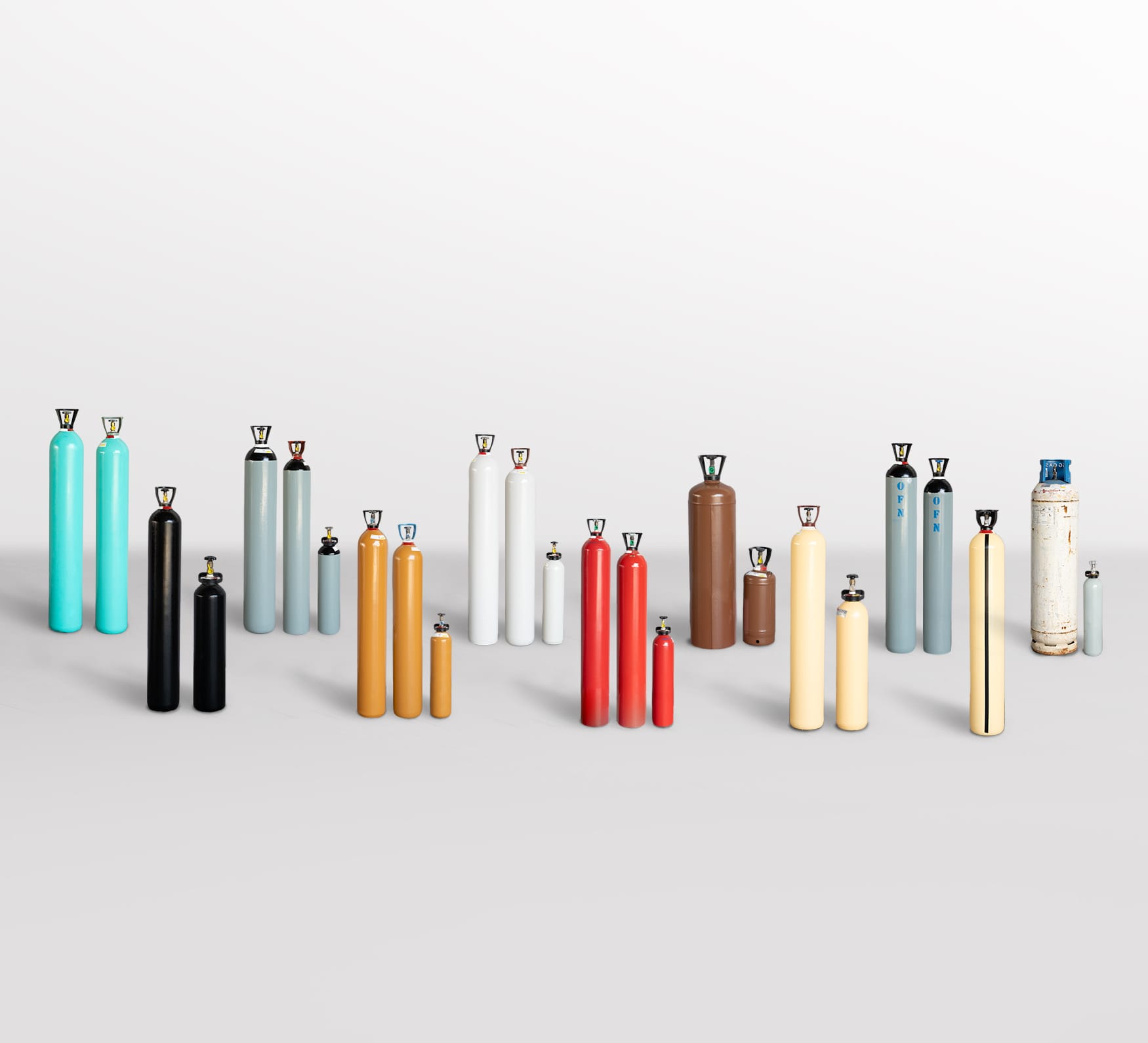
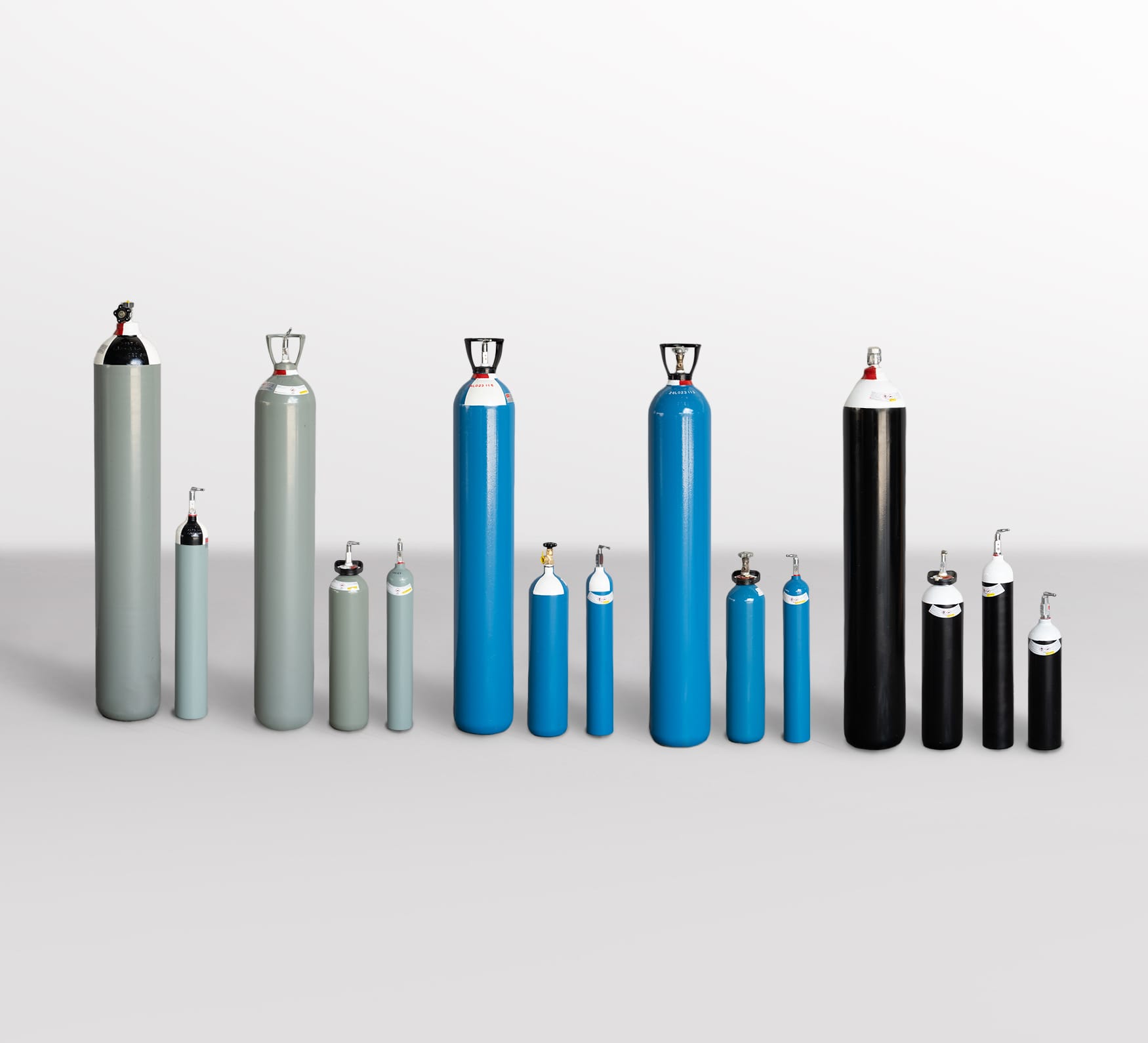
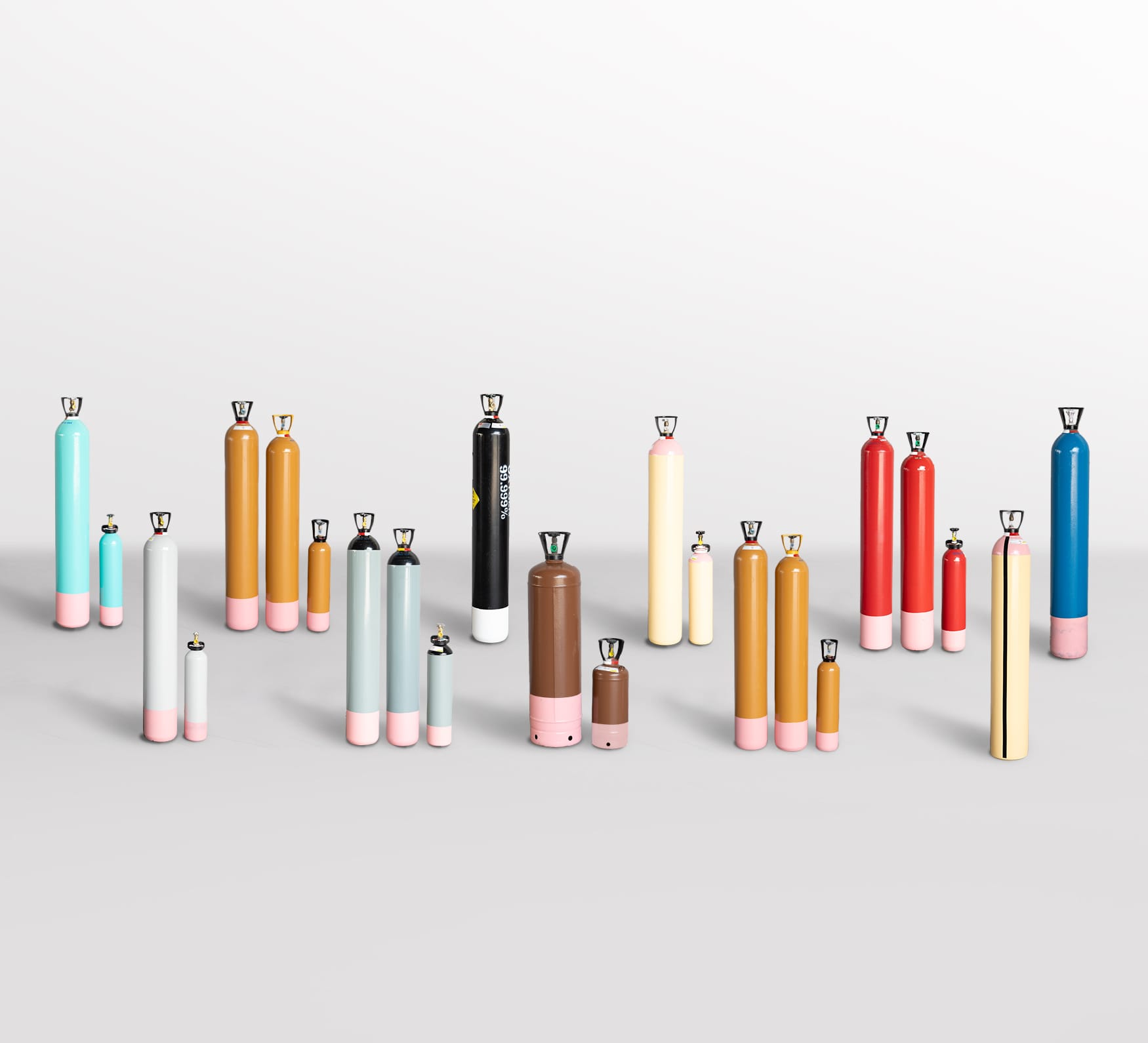
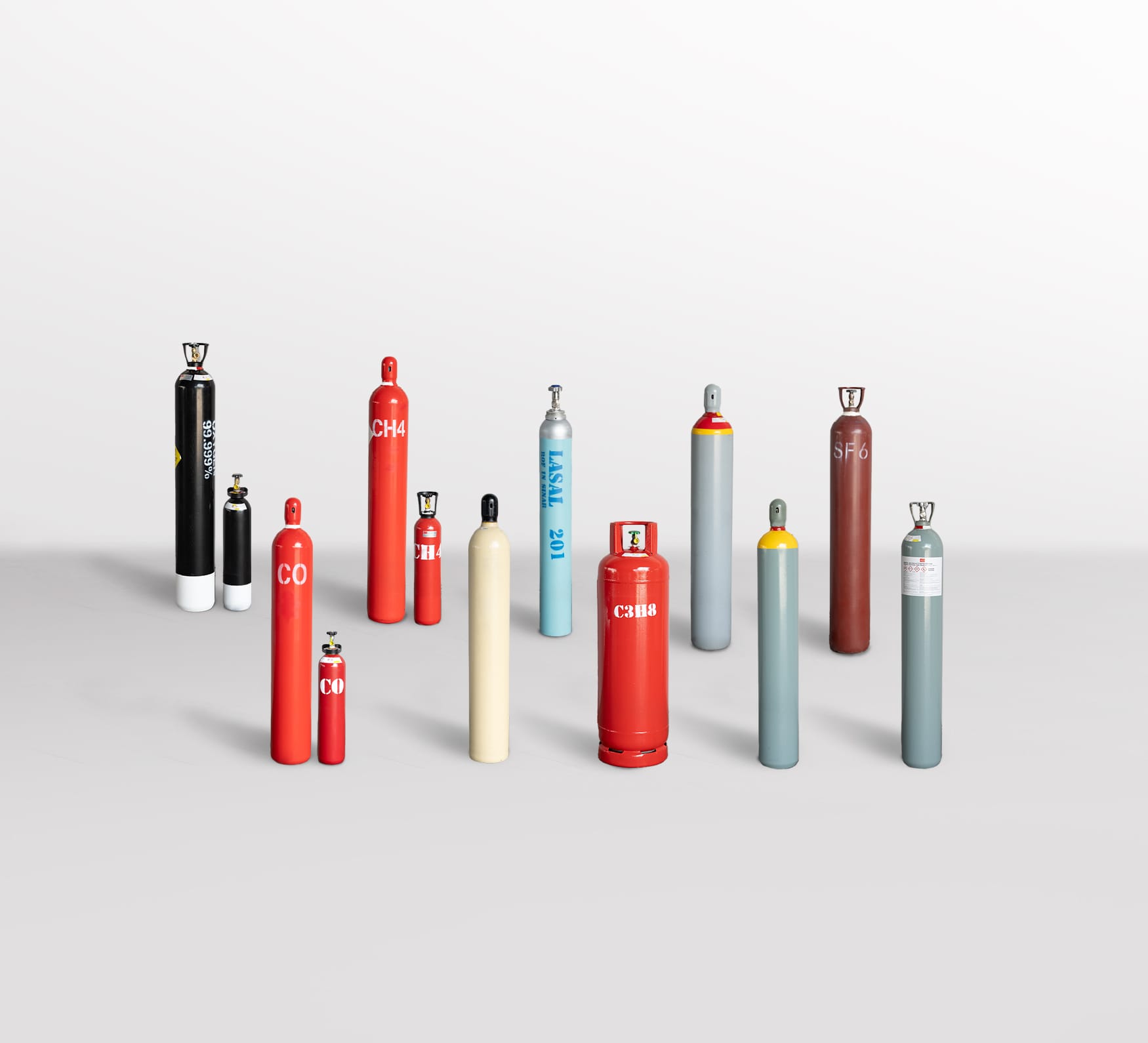
A reliable supplier should understand food grade gases Malaysia requirements and be able to advise on gases for packaging, preservation, carbonation, freezing, chilling, and production support. The supplier should also help customers choose suitable cylinder sizes, delivery schedules, regulators, and storage practices.
- Suitable food-related gas options and supply formats
- Consistent delivery for production planning
- Technical support for nitrogen, carbon dioxide, oxygen, and gas mixtures
- Clear product information and documentation
- Safe cylinder handling and practical storage guidance
- Ability to support growing production volumes
Before ordering, food manufacturers should estimate monthly usage, peak production periods, storage space, equipment connection requirements, and preferred delivery frequency. These details help the supplier recommend a practical supply plan.
AGS supports Malaysian businesses with industrial gases, purified gases, liquefied gases, gas accessories, and technical consultation. For food manufacturing customers, this means the gas supply can be planned around production needs rather than treated as a last-minute purchase.
Explore AGS industrial gas resources:
Industrial Gases Malaysia Guide
Carbon Dioxide Gas Malaysia Guide
Liquid Nitrogen Malaysia Guide
FAQ
What industrial gases are used in food manufacturing Malaysia?
Common gases include nitrogen, carbon dioxide, oxygen, gas mixtures, and cryogenic gases. They are used for packaging, preservation, carbonation, chilling, freezing, and quality control.
Why is nitrogen used in food packaging?
Nitrogen is used because it is inert and can help displace oxygen inside packaging. This may reduce oxidation, protect flavor, and support longer shelf life for selected products.
How is carbon dioxide used in food processing?
Carbon dioxide is used for beverage carbonation, modified atmosphere packaging, chilling, freezing, pH control, and dry ice applications in cold chain handling.
Are food grade gases different from normal industrial gases?
Food-related applications may require suitable gas grades, handling practices, and documentation. Manufacturers should confirm the correct grade for their process before use.
How do I choose an industrial gas supplier Malaysia for food production?
Choose a supplier that understands food industry gas applications, offers reliable delivery, provides suitable gas grades, and can advise on safe handling, storage, and equipment compatibility.
Conclusion
Industrial gases food manufacturing Malaysia is a key part of modern food production. Nitrogen, carbon dioxide, oxygen, and gas mixtures support packaging, preservation, carbonation, chilling, freezing, oxidation control, and quality consistency.
For Malaysian food manufacturers, choosing the right gas and supplier can improve shelf life, production efficiency, safety, and commercial reliability. Whether the requirement is nitrogen gas food packaging Malaysia, carbon dioxide food processing Malaysia, or broader food industry gas applications, AGS can support businesses with suitable gas solutions and technical guidance.