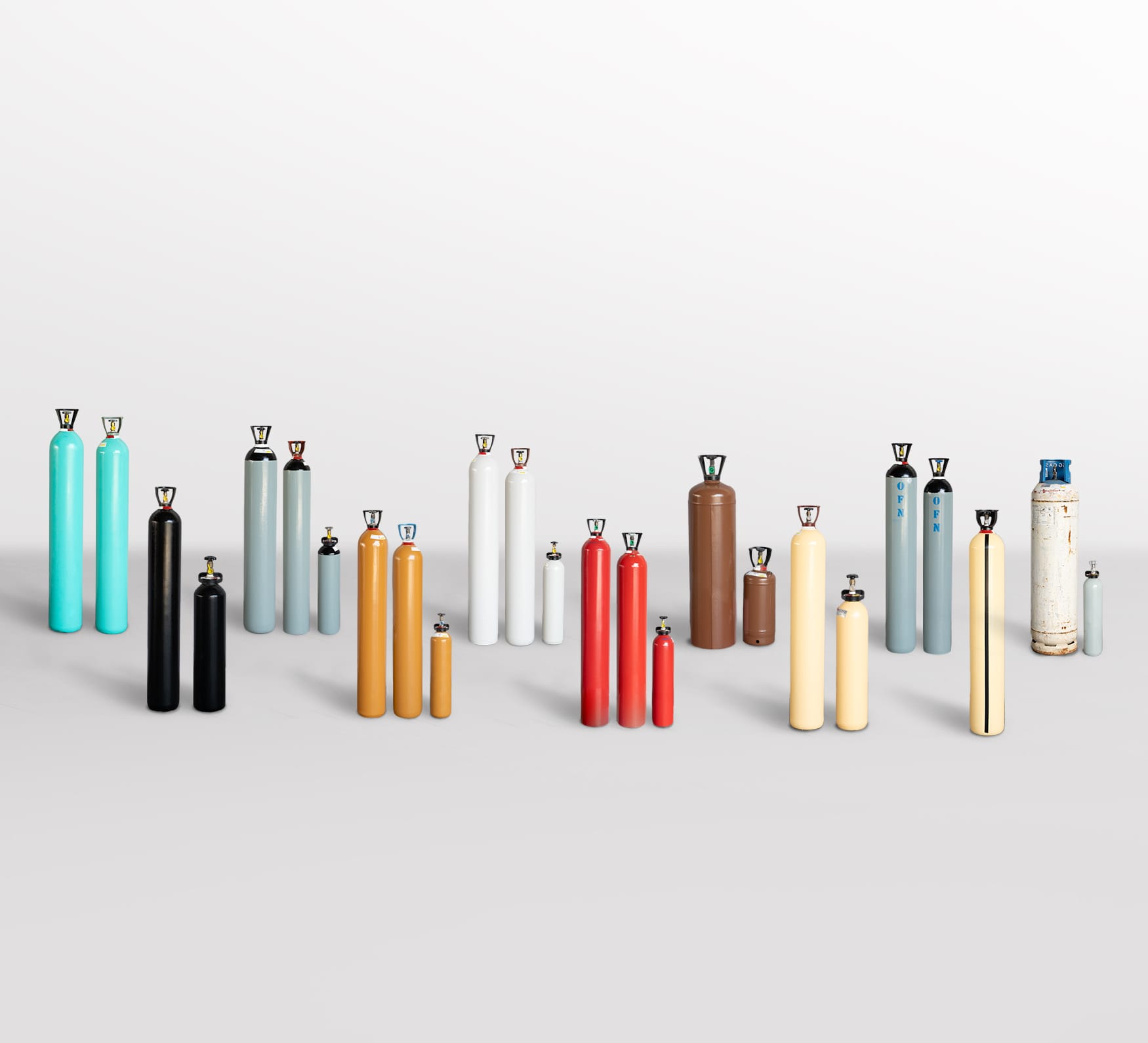
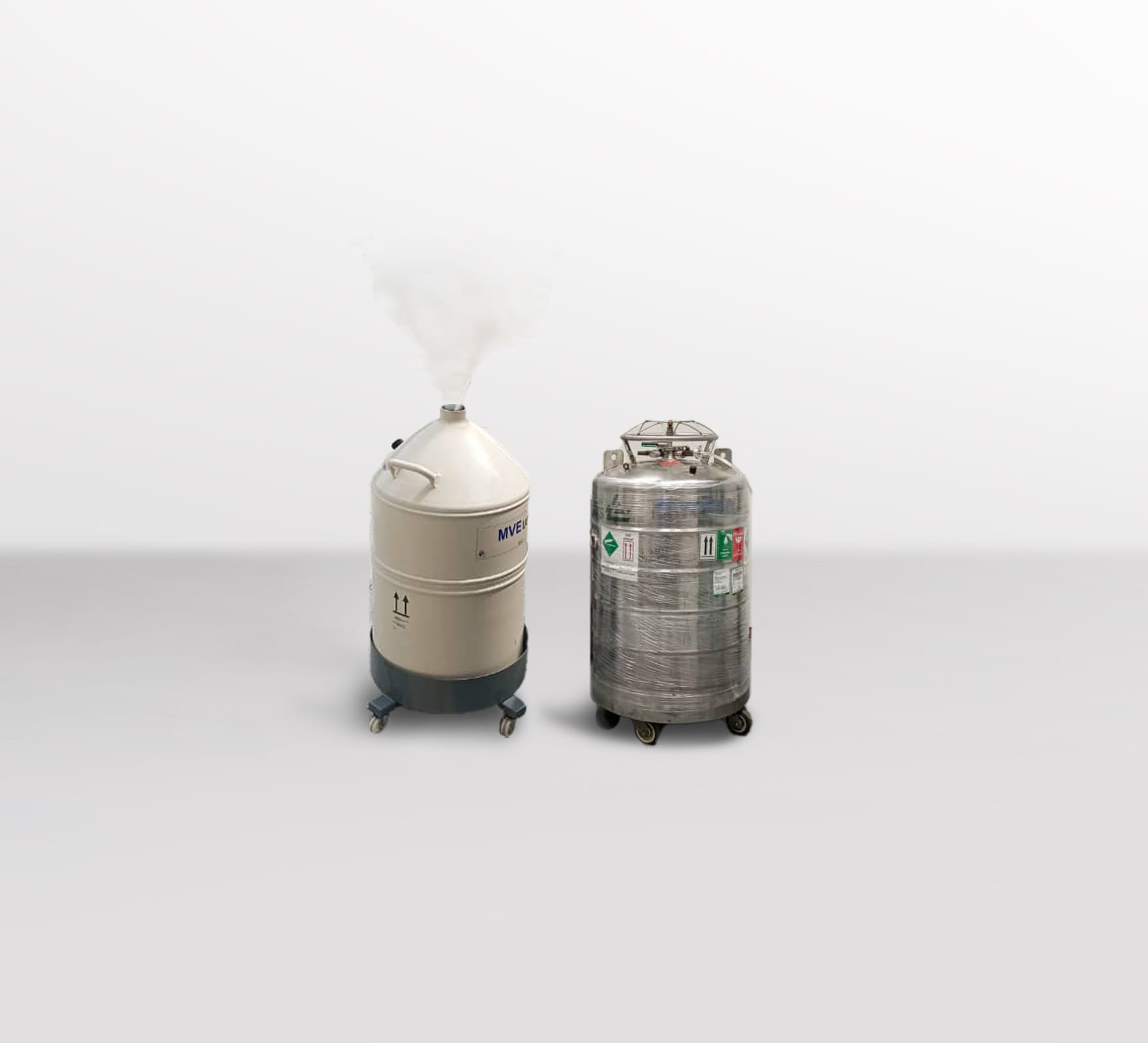
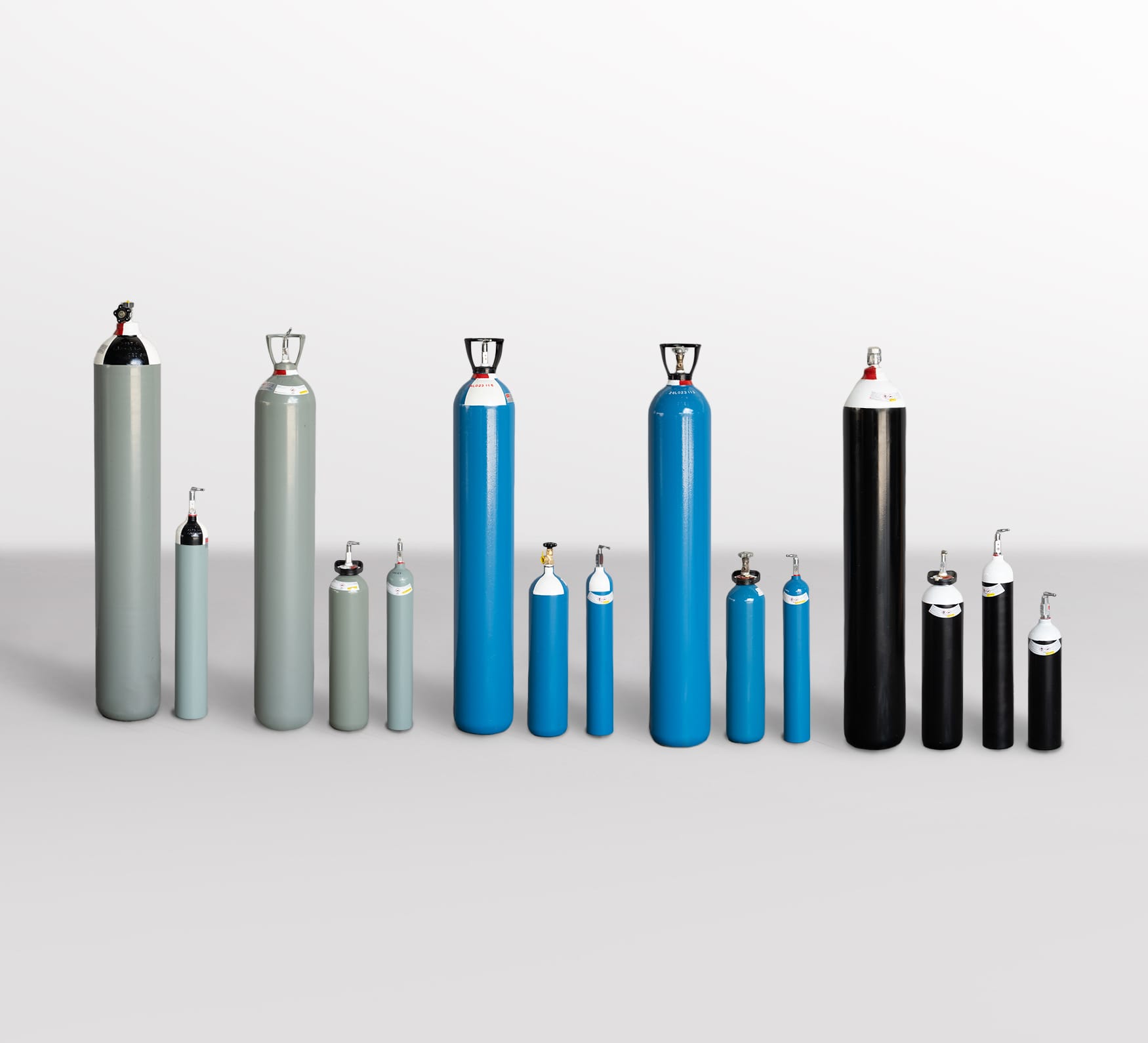
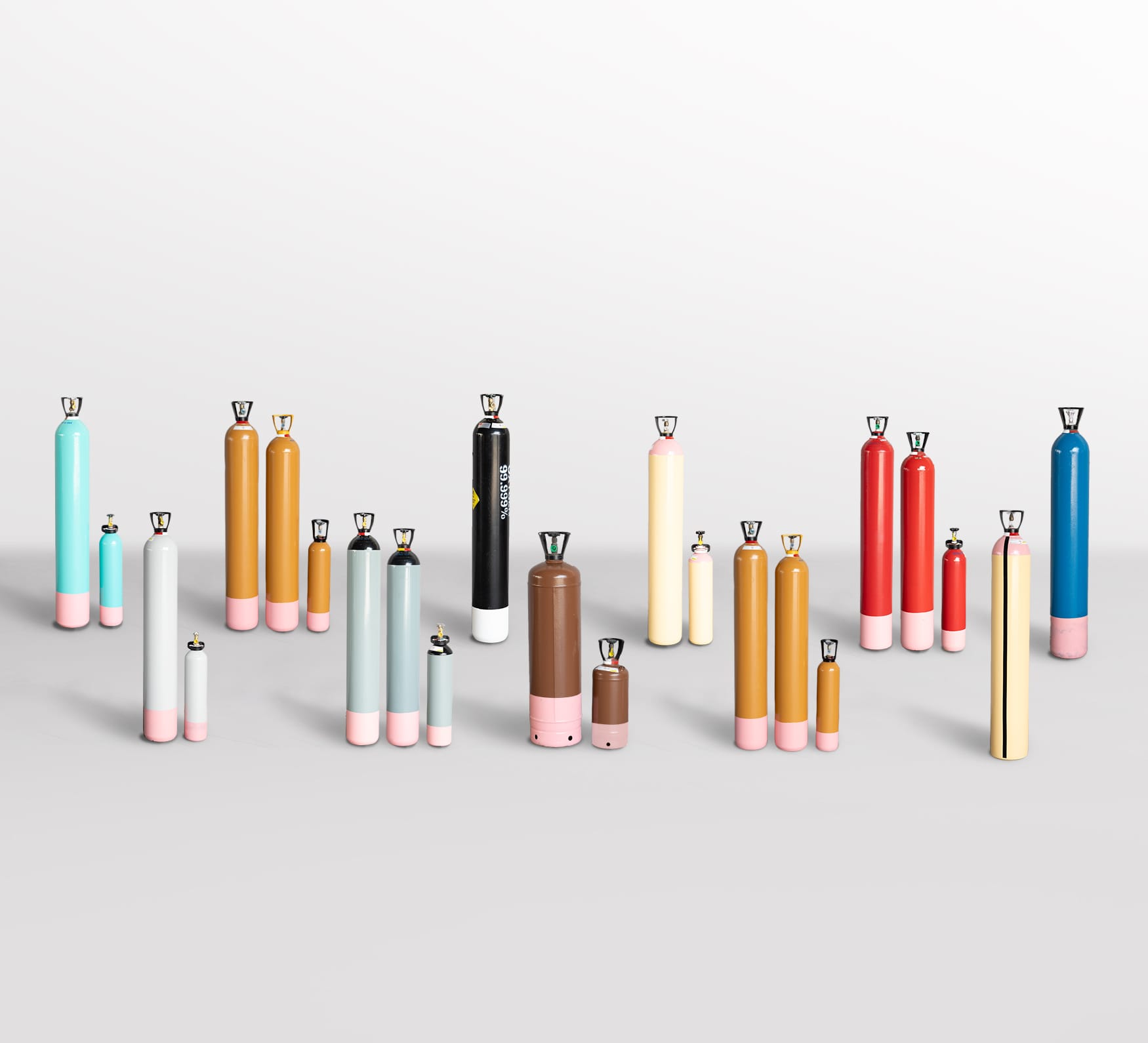
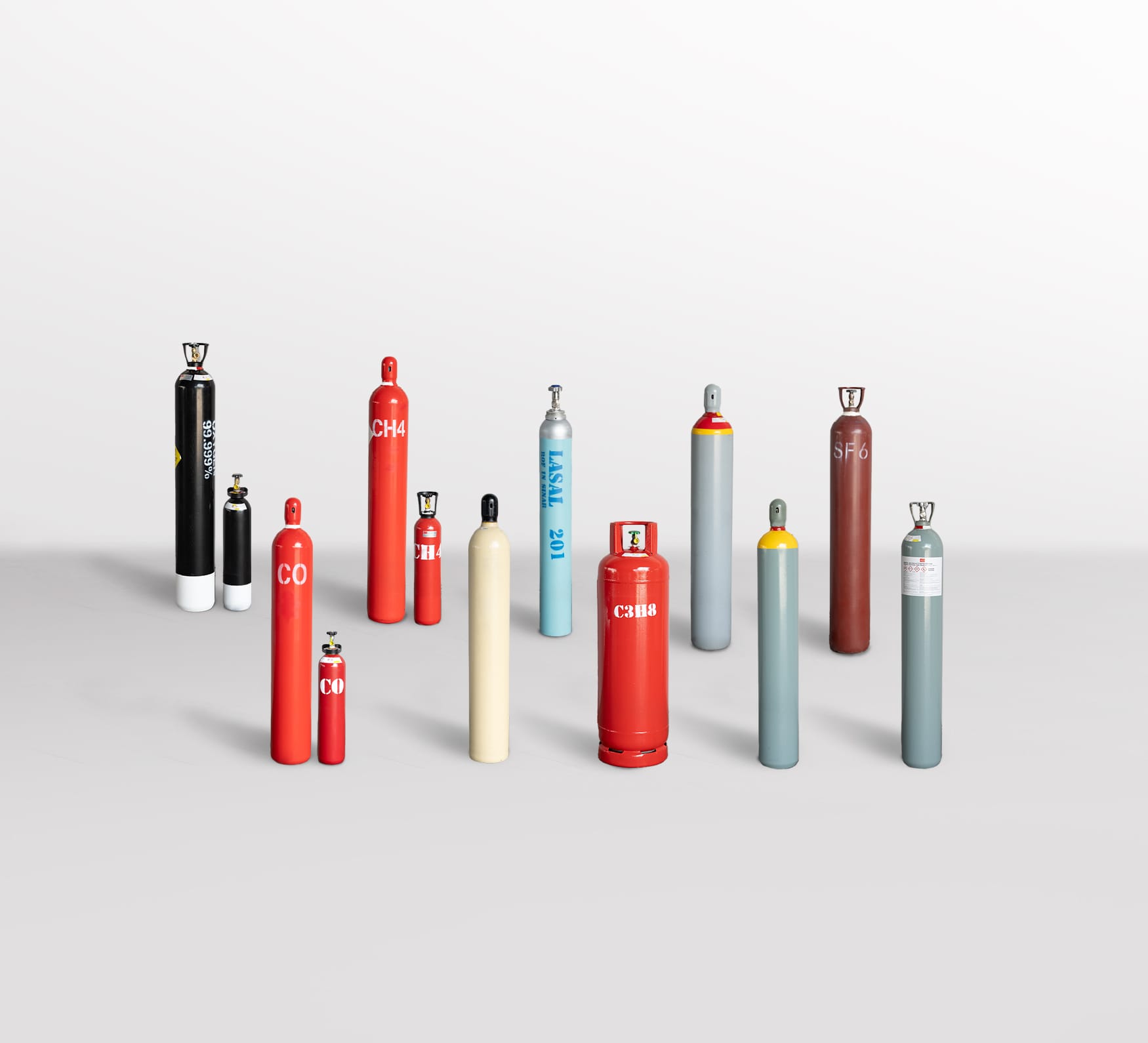
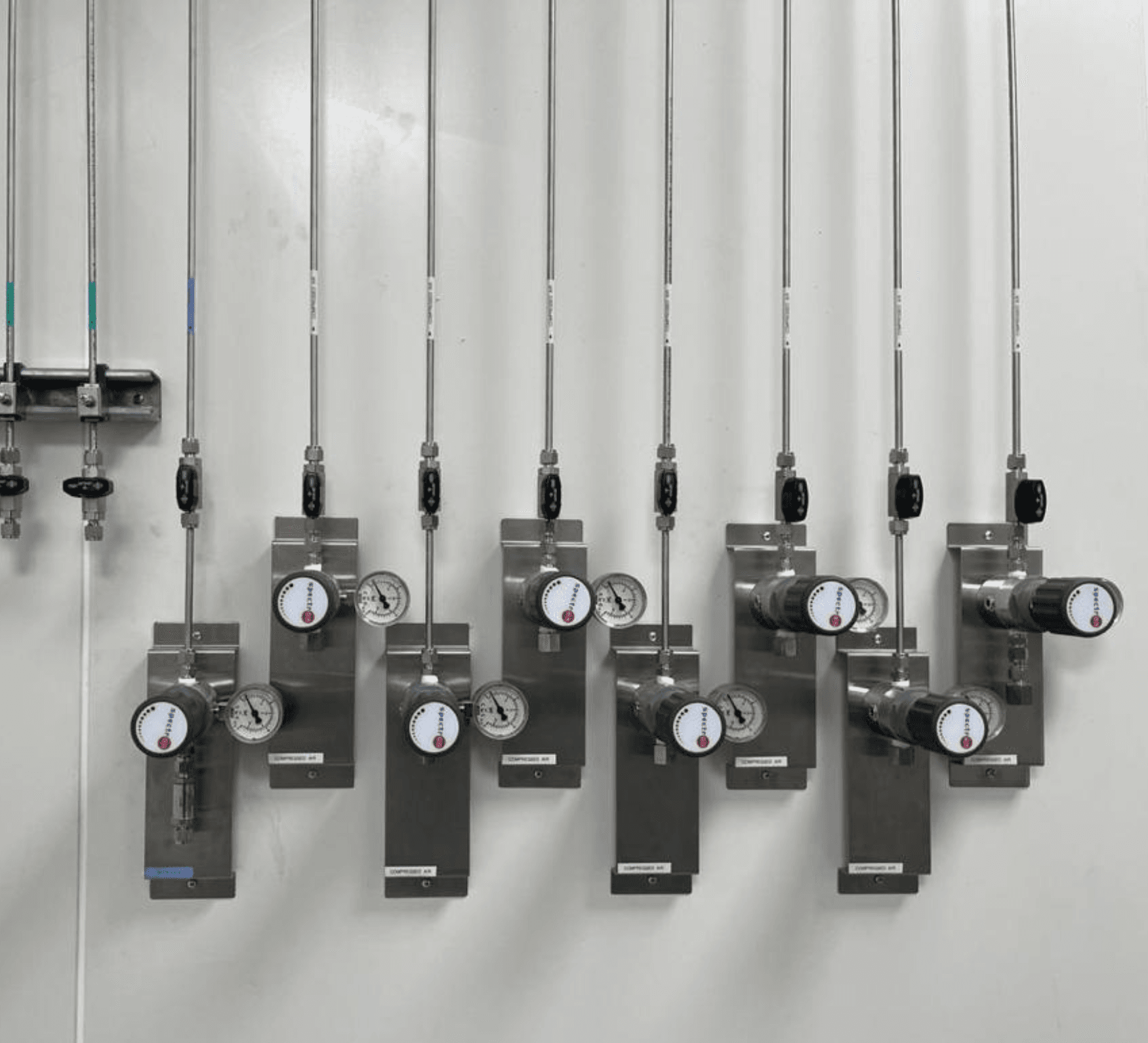

Industrial gases Malaysia play a crucial role in industries such as manufacturing, healthcare, and food processing. From oxygen used in welding to nitrogen in food packaging, these gases are essential for efficiency, safety, and productivity.
But here’s the problem many businesses face:
👉 Choosing the wrong gas or supplier can lead to inefficiency, safety risks, and unnecessary costs.
Table of Contents:
| 1. What Are Industrial Gases Malaysia |
| 2. Types of Industrial Gases Malaysia |
| 3. Applications of Industrial Gases Malaysia |
| 4. How to Choose an Industrial Gases Malaysia Supplier |
| 5. FAQs |
In this guide, we’ll explore the types of industrial gases in Malaysia, their applications, and how to choose the right supplier for your business.
What Are Industrial Gases?
Industrial gases are gaseous materials used in production, processing, and manufacturing environments.
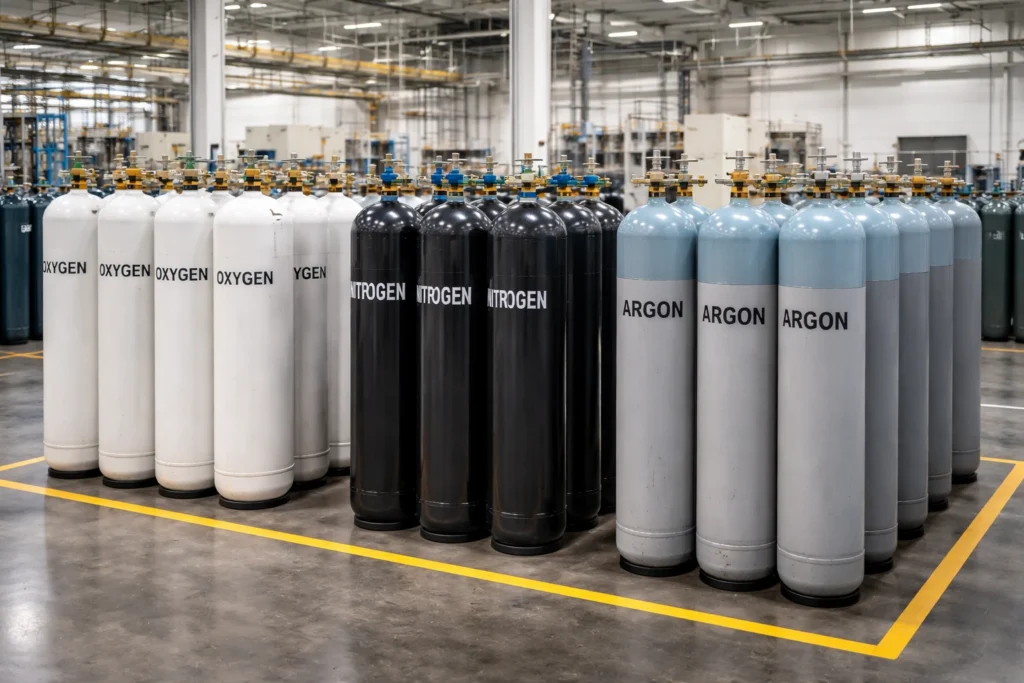
The most commonly used gases include:
- Oxygen (O₂)
- Nitrogen (N₂)
- Carbon Dioxide (CO₂)
- Argon (Ar)
- Hydrogen (H₂)
Each gas serves a very specific purpose depending on the industry.
Types of Industrial Gases and Their Uses
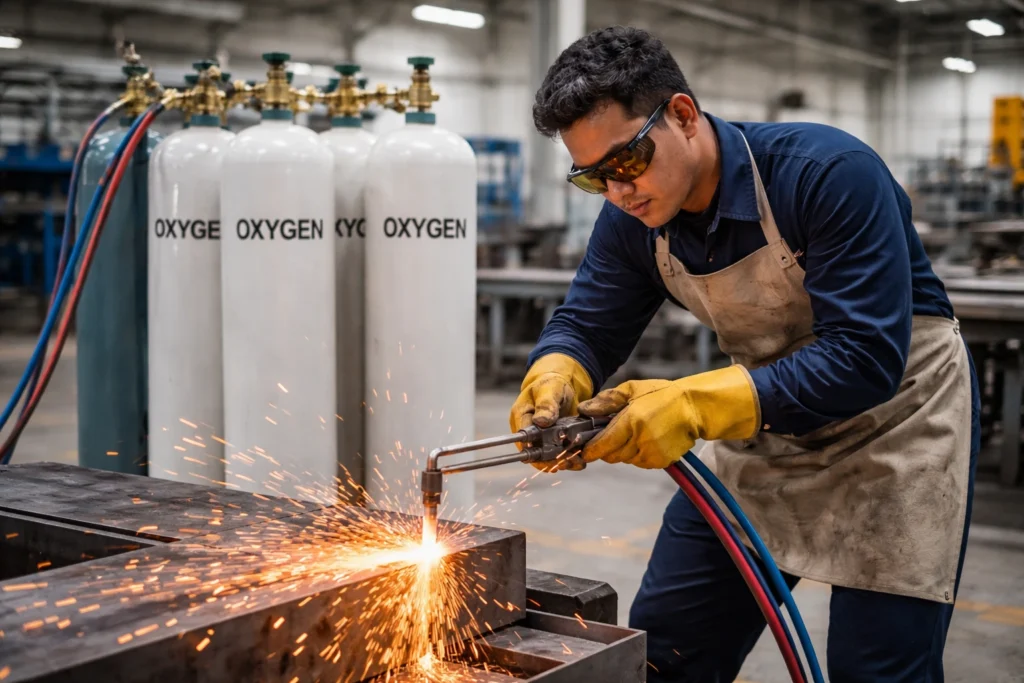
Oxygen (O₂) in Industrial Gases Malaysia
Used in:
- Medical applications
- Metal cutting and welding
- Chemical processing
Oxygen increases combustion efficiency, making it essential in high-temperature industrial processes.

Nitrogen (N₂) in Industrial Gases Malaysia
Used in:
- Food packaging
- Electronics manufacturing
- Chemical blanketing
Nitrogen is an inert gas, meaning it helps prevent oxidation and contamination.
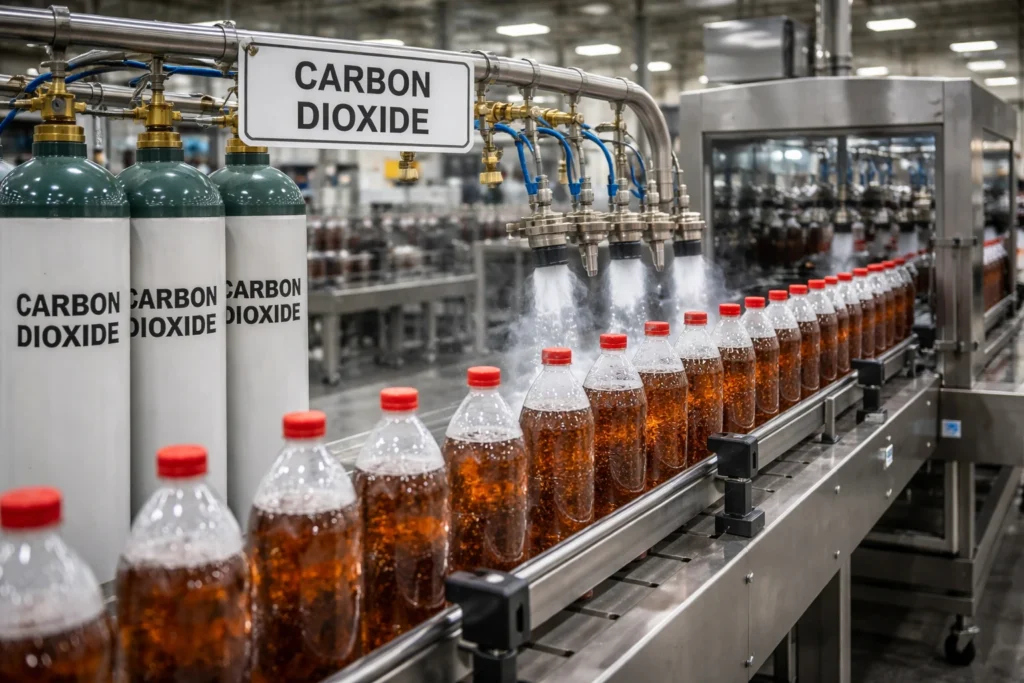
Carbon Dioxide (CO₂) in Industrial Gases Malaysia
Used in:
- Cooling processes
- Beverage carbonation
- Fire extinguishers
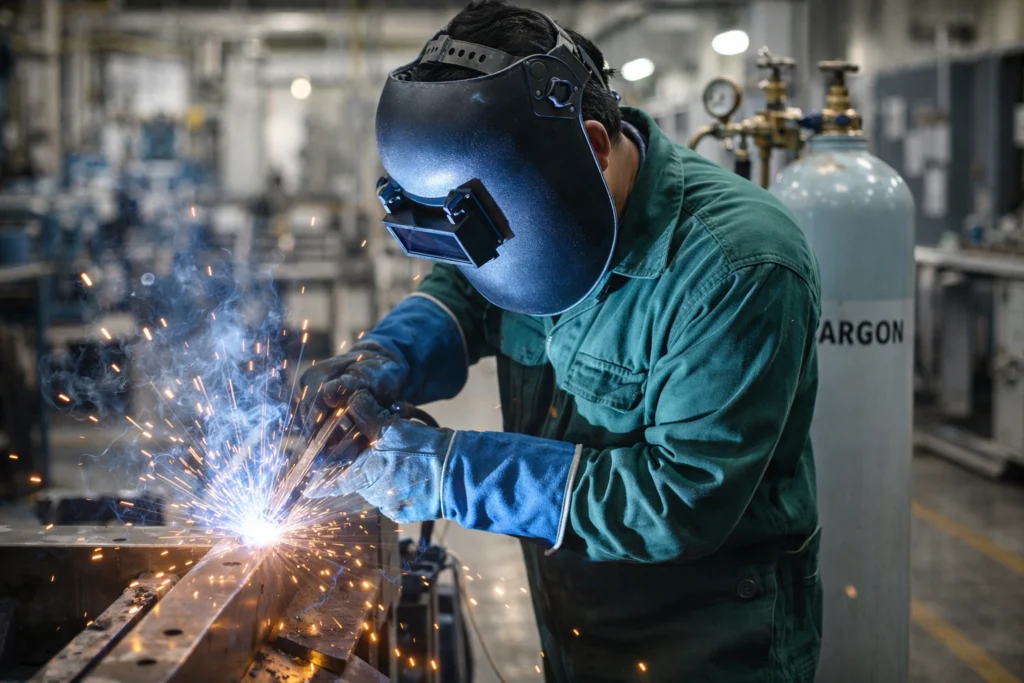
Argon (Ar) in Industrial Gases Malaysia
Used in:
- Welding
- Metal fabrication
Argon provides a stable environment for precision welding.
Industrial Gas Applications in Malaysia
Industries that heavily rely on gases include:
- Manufacturing
- Healthcare
- Oil & Gas
- Food & Beverage
- Electronics
In Malaysia, demand is growing due to industrial expansion and stricter quality standards.
How to Choose the Right Gas Supplier in Malaysia
This is where most businesses make mistakes.
Here are 5 things to look for:
1. Reliability of Supply
You don’t want production downtime because of gas shortage.
2. Safety Compliance
Ensure supplier follows Malaysian safety regulations.
3. Product Range
A good supplier provides multiple gas types and solutions.
Explore our full range of industrial gases here: https://www.ags.my/all-gases/
4. Technical Support
Support matters when you need guidance.
5. Delivery & Logistics
Fast and consistent delivery is crucial.
Why Choosing the Right Partner Matters
Think of your gas supplier like a behind-the-scenes partner.
A reliable supplier:
- Improves efficiency
- Reduces risks
- Supports your growth
Conclusion
Industrial gases Malaysia are essential for modern industries, supporting everything from manufacturing to healthcare. Choosing a reliable supplier ensures safety, efficiency, and long-term success for your business.
If you’re looking for a trusted industrial gas supplier in Malaysia, working with an experienced provider ensures quality, safety, and reliability.
FAQs
What are industrial gases used for in Malaysia?
Industrial gases Malaysia are used in manufacturing, healthcare, food processing, and electronics industries.
Which industrial gas is most commonly used in Malaysia?
Oxygen and nitrogen are the most commonly used industrial gases Malaysia due to their wide applications.
How to choose an industrial gas supplier in Malaysia?
Look for reliability, safety standards, product range, and delivery capability.